INTERNATIONAL — March 25, 2026
Iran Rejects Direct Talks with US, Cites 'Disastrous' Diplomacy Experience
Iran's Foreign Ministry spokesman Esmaeil Baghaei rejected direct talks with the US, calling past diplomacy 'disastrous' due to attacks during nuclear negotiations and prioritizing national security. He noted mediation offers from countries like Pakistan and affirmed self-defense rights under the UN Charter.
The Ehtebar Desk — originates with Bakhtar News — corroborated by Khaama Press — 2 min read
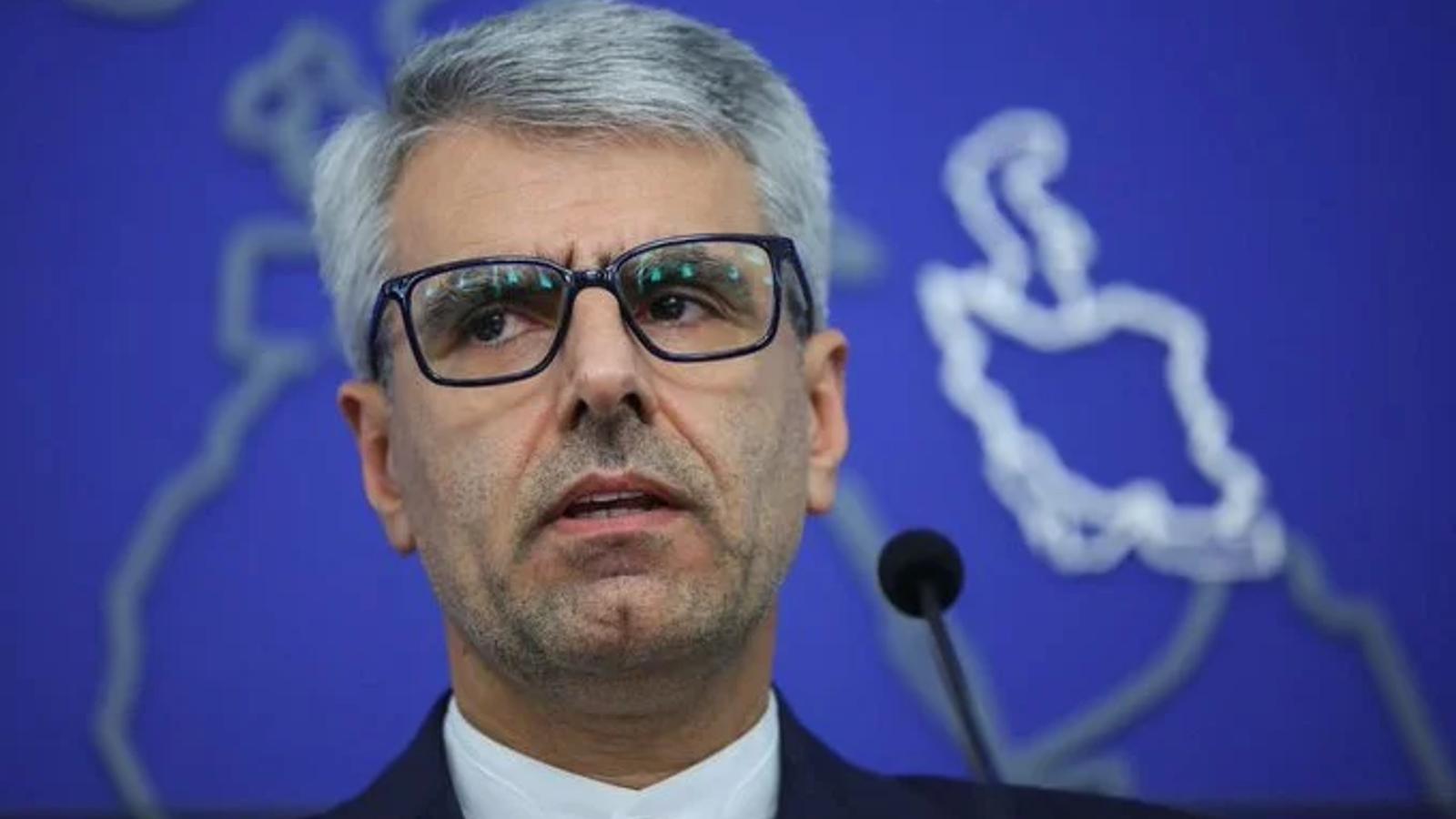
Iran's Foreign Ministry spokesman Esmaeil Baghaei has rejected any direct negotiations with the United States, describing Tehran's past diplomatic experience with Washington as "disastrous."
In an interview, Baghaei said Iran was targeted by the US during nuclear talks, with one report citing attacks several times and another specifying twice. He highlighted this as evidence of distrust in the diplomatic process. Iran's current priority, he emphasized, is preserving its borders and ensuring national security amid ongoing tensions.
Baghaei dismissed claims of any ongoing direct talks between Tehran and Washington as incorrect. He noted that some countries, including Pakistan, have offered to mediate, but described the situation as sensitive and complex.
Iran will continue to defend itself under Article 51 of the UN Charter, Baghaei said. According to Bakhtar News Agency, citing Tasnim News Agency, the interview occurred there, while Khaama Press reported it was with India Today.
Bakhtar News also referenced a prior statement from an IRGC spokesman dismissing US President Donald Trump's claims of Iran's willingness to negotiate, saying America negotiates with itself until Tehran's demands are met. Khaama Press added that coordination exists for safe passage of commercial ships, including Indian-linked vessels, through the Strait of Hormuz for non-hostile traffic, and clarified roles for Foreign Minister Abbas Araghchi in foreign relations and parliament speaker Mohammad Bagher Ghalibaf in domestic matters.
Read the original reporting at Bakhtar News →
Reliability assessment
2 independent sources corroborate core statements by named Iranian Foreign Ministry spokesman Esmaeil/Ismail Baghaei rejecting direct US talks and calling diplomacy 'disastrous', with on-record attribution and concrete details; minor discrepancies in attack count and interview outlet do not undermine event confirmation
The source language reads straight.
Independent web corroboration
An independent web search turned up no separate corroborating reports. Treat the account as single-sourced until more outlets pick it up.
Across the newsrooms
Where reports agree
- Iran's Foreign Ministry spokesman Esmaeil/Ismail Baghaei rejected direct talks with the US
- Diplomacy with US described as 'disastrous'
- Iran targeted during nuclear talks
- Focus on national security and borders
- No current direct talks
- Pakistan and others offered mediation
- Self-defense under UN Charter/Article 51
Where reports differ
- Number of attacks during nuclear talks: 'several times' (Bakhtar News) vs. 'twice' (Khaama Press)
- Interview outlet: Tasnim News Agency (Bakhtar News) vs. India Today (Khaama Press)
- IRGC spokesman response to Trump mentioned only in Bakhtar News
- Strait of Hormuz ship passage and roles of Araghchi/Ghalibaf only in Khaama Press
Filed by 2 outlets
Bakhtar News
Originating
Reported straight
Reported straight
Khaama Press
Reported straight
Reported straight
Filed under
International — Iran, United States, Esmaeil Baghaei, Pakistan, UN Charter
Reader supported
Keep Ehtebar running
Every published story uses paid tools to translate reporting, compare sources, extract claims, and produce a clearer read on Afghanistan. Reader support helps keep that work independent.
€5
helps cover daily verification runs
€15
supports a week of source comparison
€50
keeps independent analysis moving