INTERNATIONAL — March 26, 2026
Iran Rejects Initial U.S. Proposal to End Middle East War, Sets Five Conditions
Iran rejected an initial U.S. proposal to end the Middle East war, communicated via Pakistan, and set five conditions including a halt to aggression and recognition of its sovereignty over the Strait of Hormuz. Iranian officials called the proposal unreasonable amid backchannel efforts, including temporary removals from U.S.-Israeli strike lists.
The Ehtebar Desk — originates with Khaama Press — corroborated by Amu TV — 2 min read
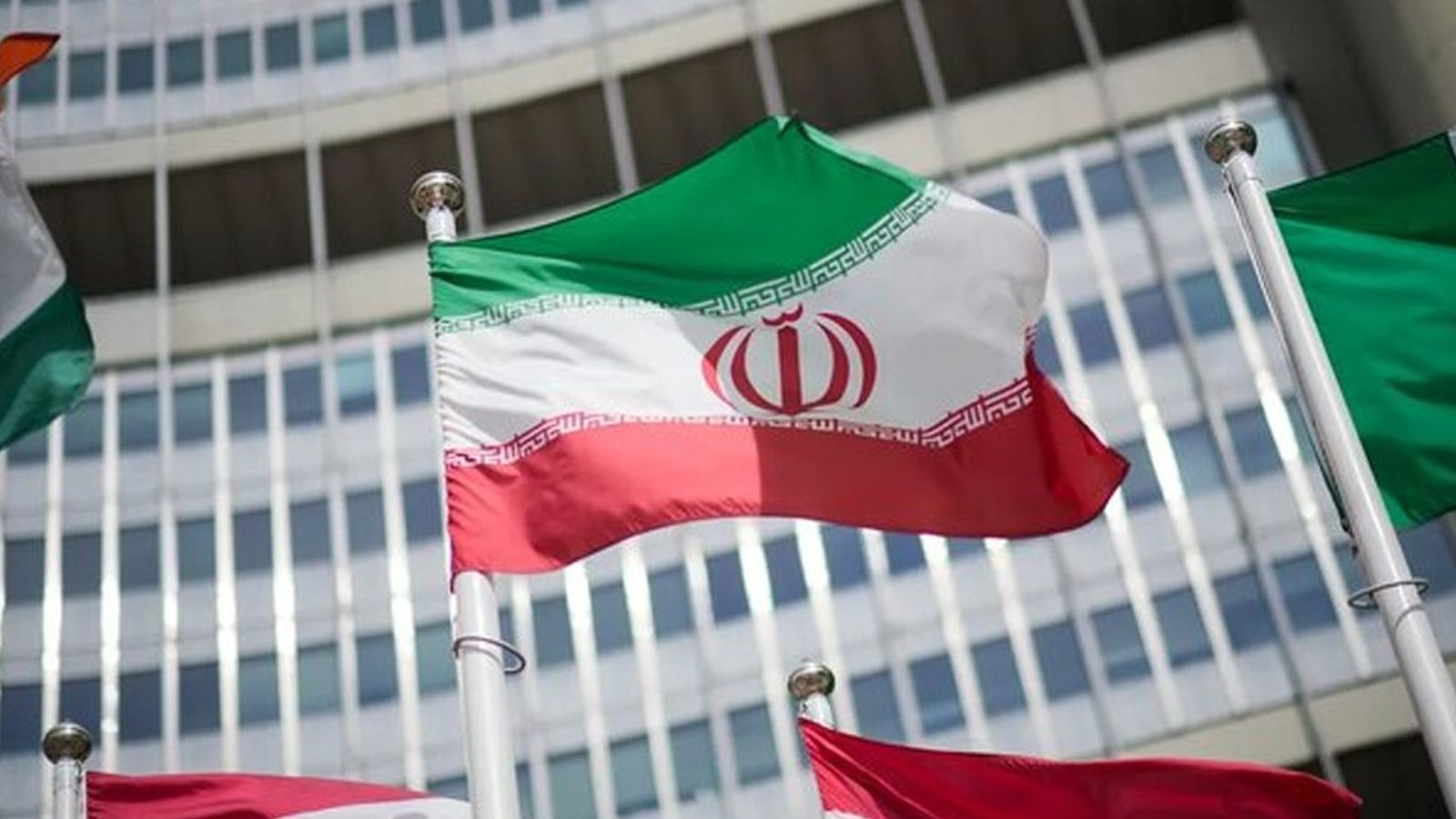
Iran has rejected an initial U.S. proposal aimed at ending the Middle East war, delivering its response through Pakistan, which has acted as a key regional mediator.
Reuters reported on March 25 that Iranian officials described the U.S. proposal as "unreasonable" and said it was intended to increase pressure rather than foster a genuine settlement. Tehran outlined five conditions for ending the conflict: a full halt to what it terms aggression and assassinations, guarantees against renewed hostilities, compensation for damages, an end to fighting across all fronts, and international recognition of Iran's sovereignty over the Strait of Hormuz.
The exchange occurs amid intensified backchannel diplomacy as Washington explores avenues to de-escalate tensions, despite ongoing public confrontations and military actions. Reports indicated that Iranian Foreign Minister Abbas Araghchi and Parliament Speaker Mohammad Bagher Ghalibaf were temporarily removed from a U.S.-Israeli strike target list for several days, a step seen as keeping the door open for potential high-level talks.
Washington has reportedly proposed a 15-point framework for resolving the conflict, though Iranian officials have publicly denied any meaningful direct negotiations with the United States are underway.
Iran's rejection signals that diplomatic efforts persist but remain fragile, with progress hinging on both sides shifting from pressure tactics to substantive compromises.
Read the original reporting at Khaama Press →
Reliability assessment
Corroborated by two outlets (Khaama Press, Amu TV), with direct attribution to Iranian officials via Reuters report.
The source language reads straight.
Independent web corroboration
A separate web search returned 8 matching reports. A selection:
A senior Iranian official told Iran's english-language Press TV the U.S. terms were "excessive"... Iran has five conditions for a ceasefire and ending the war
that must be met before Iran agrees to end the war, including a complete halt to "aggression and assassinations" by the U.S.
they had five conditions to end the war, including payment of "war damages and reparations" and the end of the war across all fronts
Iran has rejected a 15-point US proposal... imposed five conditions of its own, including a conclusion of the war on all fronts, payment of war damages and sovereignty over the Strait of Hormuz
Across the newsrooms
Filed by 2 outlets
Khaama Press
Originating
Reported straight
Reported straight
Amu TV
Reported straight
Reported straight
Filed under
International — Iran, United States, Pakistan, Abbas Araghchi, Strait of Hormuz
Reader supported
Keep Ehtebar running
Every published story uses paid tools to translate reporting, compare sources, extract claims, and produce a clearer read on Afghanistan. Reader support helps keep that work independent.
€5
helps cover daily verification runs
€15
supports a week of source comparison
€50
keeps independent analysis moving