INTERNATIONAL — February 20, 2026
Iran Tells UN All US Bases in Region Legitimate Targets if Attacked Amid Trump Warnings
Iran warned the UN that U.S. bases in the region would be legitimate targets if attacked, responding to President Trump's threats and 10-15 day deadline for a nuclear deal amid ongoing indirect talks.
The Ehtebar Desk — originates with Amu TV — corroborated by Bakhtar News — 2 min read
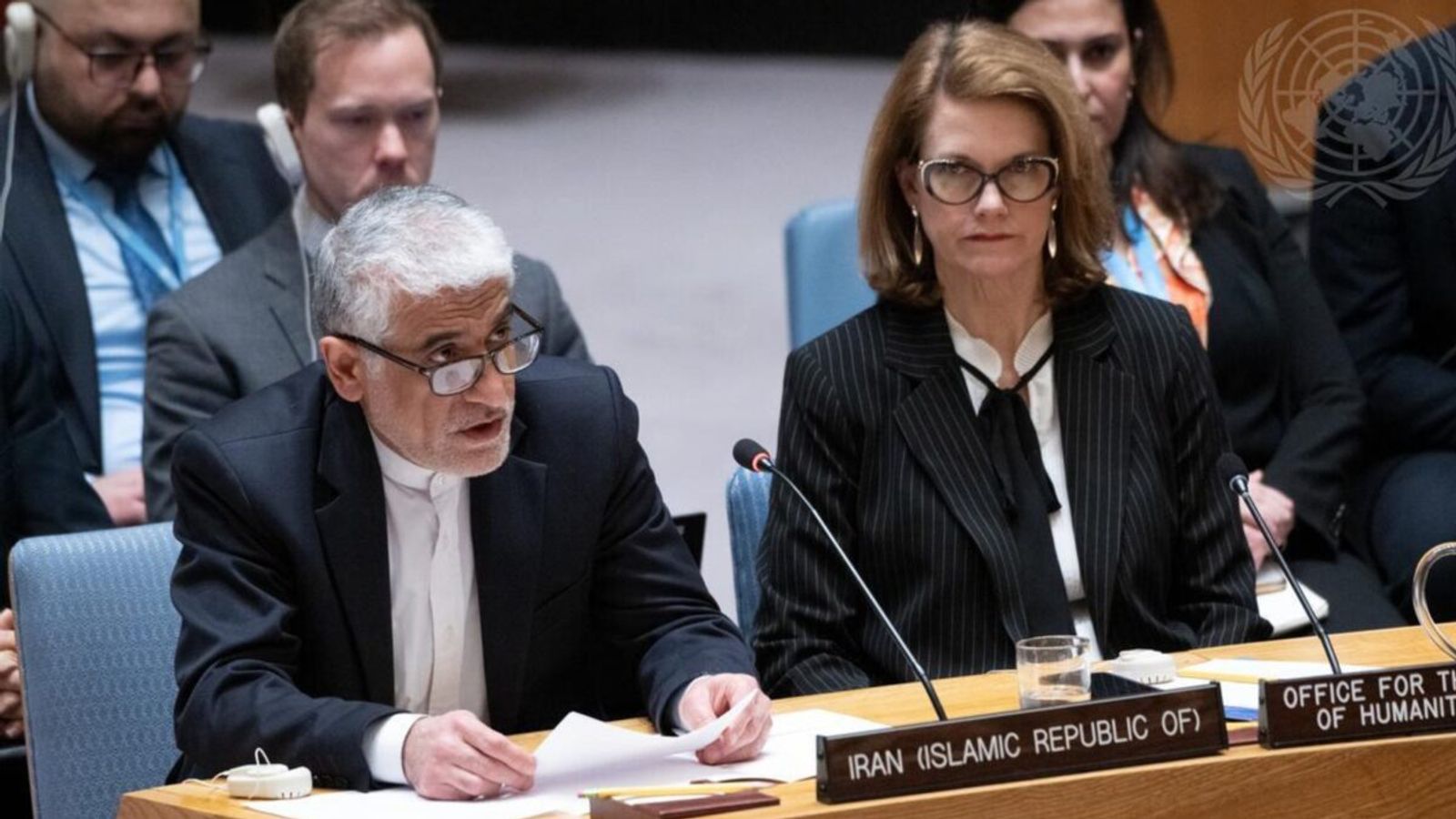
Amir Saeid Iravani, Iran's representative to the United Nations, wrote to the Security Council stating that Iran is neither seeking tension nor initiating war, but if attacked, it would consider all bases, facilities and assets of the aggressor force in the region as legitimate targets.
Iravani called for condemnation of what he described as recent threats by U.S. President Donald Trump and warned that Tehran would give a decisive response to any U.S. military aggression. He noted that amid regional tensions and increased U.S. military deployments, Trump's comments about potentially using an air base in the Chagos Islands in the Indian Ocean for strikes on Iran should not be dismissed as mere rhetoric.
Trump stated on Thursday that Iran has 10 to 15 days to reach a meaningful agreement with Washington, adding, "We might take it a step further, or maybe not. Maybe we'll reach a deal." Later aboard Air Force One, he said the situation would likely become clear within 10 days. Trump also claimed that joint Israel-U.S. attacks on Iran in June of the previous year paved the way for a Gaza ceasefire, arguing that without strikes on Iranian nuclear facilities, Iran's threat would have prevented Middle East peace.
These remarks follow the second round of indirect Iran-U.S. talks, which both sides described positively. Iranian Foreign Minister Abbas Araghchi said good progress was made in Geneva, with agreement on a set of guiding principles. Trump noted that his representatives, Steve Witkoff and Jared Kushner, had very good meetings with the Iranian side, emphasizing the need for a meaningful deal or else bad things would happen.
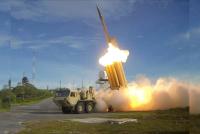
Despite ongoing talks, the U.S. has bolstered its military presence in the Gulf region with two aircraft carriers and dozens of fighter jets deployed. Iran's Supreme Leader Ali Khamenei posted on X that while U.S. warships are dangerous, the weapon capable of sinking them is more so.
Tensions escalated late in 2025 following anti-government protests in Iran, which Trump supported. Last month, Trump said Iran halted executions of opponents under U.S. pressure and backed away from attack threats, leading to resumed talks with the first round held Feb. 6 in Oman after a June war.
Read the original reporting at Amu TV →
Reliability assessment
Key facts corroborated by multiple outlets (Amu TV, Bakhtar News) with direct on-record attribution to named official Amir Saeid Iravani's letter to the UN Security Council, providing concrete details of the statement.
The source language reads straight.
Across the newsrooms
Filed by 2 outlets
Amu TV
Originating
Bakhtar News
Filed under
International — Iran, United States, Donald Trump, UN Security Council, Military Tensions
Reader supported
Keep Ehtebar running
Every published story uses paid tools to translate reporting, compare sources, extract claims, and produce a clearer read on Afghanistan. Reader support helps keep that work independent.
€5
helps cover daily verification runs
€15
supports a week of source comparison
€50
keeps independent analysis moving