
SECURITY — February 27, 2026
Islamic Emirate Conducts Airstrikes on Pakistani Military Targets in Response to Prior Attacks
Afghanistan's Ministry of Defense claimed successful airstrikes on Pakistani military targets, killing dozens and capturing sites, in response to prior Pakistani attacks amid resident solidarity and international calls for restraint. Kabul remains calm with normal activities.
The Ehtebar Desk — originates with Ariana News — corroborated by RTA and RTA — 2 min read
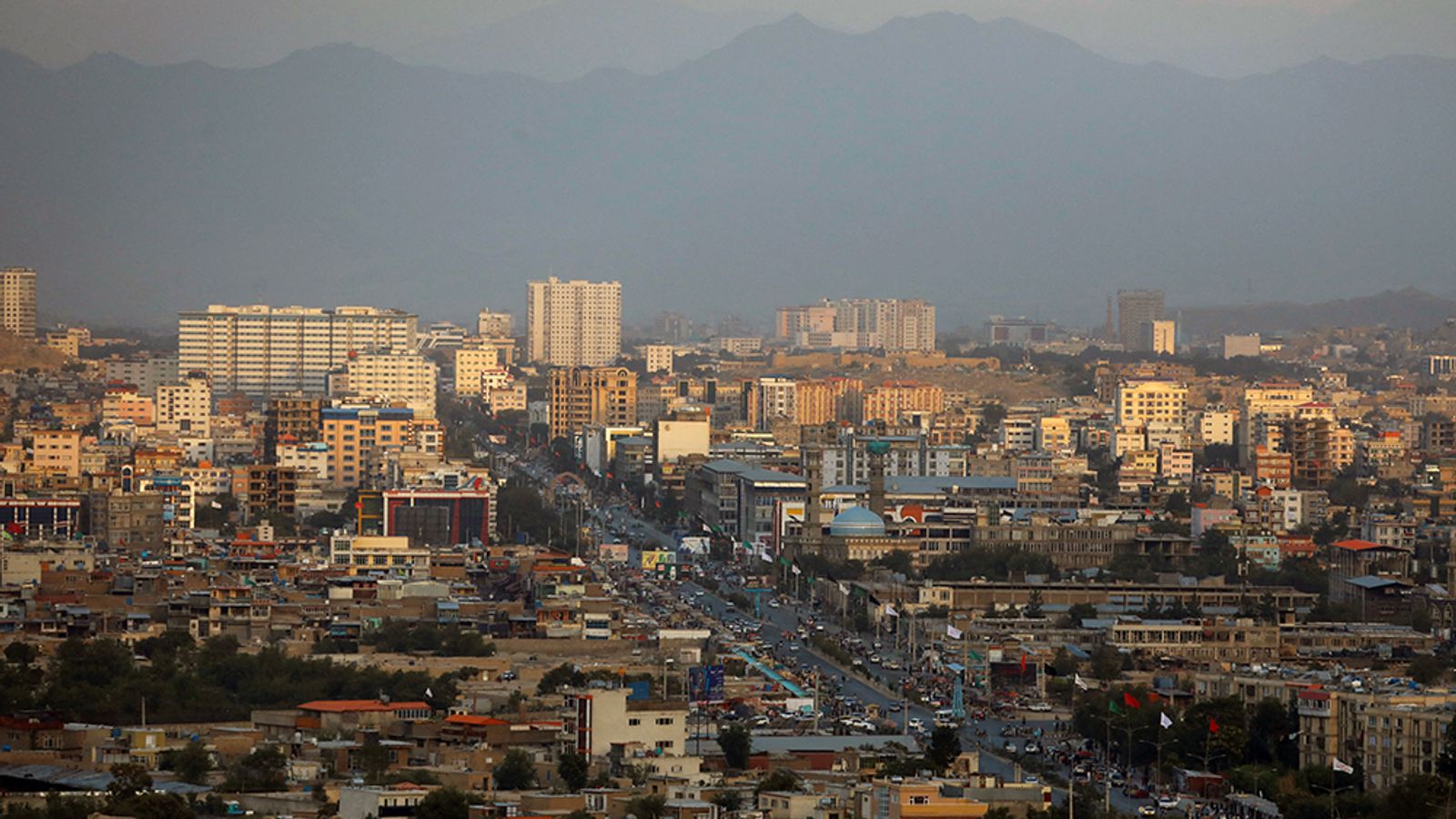
Residents of Baghlan, Takhar and Badakhshan provinces stated that Afghans will not remain silent against what they described as oppression and aggression by Pakistan. They expressed historical resolve against major powers and current unity against Pakistan's actions, with some calling Pakistan an enemy of Islam and the Afghan people, drawing parallels to Israel's attacks on Gaza during Ramadan. Citizens affirmed support for Afghan security forces and readiness to defend the country, including if the Islamic Emirate leader declares jihad.
Afghanistan's Ministry of Defense announced that around 11 a.m. local time, Afghan forces conducted airstrikes on several Pakistani locations, including a military camp near Faizabad in Islamabad, military bases in Nosher and Jamrud, and a target in Abbottabad. The ministry described the operations as successful, targeting key Pakistani military bases, centers and facilities in retaliation for Pakistani airstrikes the previous night in Kabul, Kandahar and Paktia.
The ministry reported that the strikes killed 55 Pakistani soldiers, captured several others, and seized two military bases along with 19 posts. Eight Afghan soldiers were killed and 11 wounded in the clashes. Separately, 13 civilians were wounded in a Pakistani rocket attack on a returnees' camp in Nangarhar.
Kabul residents described the city as calm with normal daily life, markets and roads operating routinely. Some expressed support for the Islamic Emirate's retaliatory strikes across the Durand Line, stating Afghanistan is on a path to self-sufficiency without need for ties to Pakistan.
UN Secretary-General Antonio Guterres urged both sides to adhere to international and humanitarian law. UN High Commissioner for Human Rights Volker Turk called for immediate dialogue between Kabul and Islamabad. Saudi Foreign Minister Faisal bin Farhan spoke by phone with Pakistani Foreign Minister Ishaq Dar about de-escalation. Iranian Foreign Minister Seyed Abbas Araghchi offered Tehran as a facilitator for talks, citing Ramadan as a time for restraint.
Read the original reporting at Ariana News →
Reliability assessment
Key claim of airstrikes is directly attributed to Afghanistan's Ministry of Defense, an official source, and corroborated by reports from two outlets (Ariana News, RTA).
The source language mixes facts with framing or advocacy wording. Phrases like 'Pakistan enemy of Islam and Afghan people', comparison of Pakistan's attacks to 'Israel in Gaza during Ramadan', and repeated use of 'aggression' (tجاوز) and 'oppression' (ظلم) frame Pakistan negatively with emotional and adversarial language.
Across the newsrooms
Filed by 3 outlets
Filed under
Security — Pakistan, Islamic Emirate of Afghanistan, airstrikes, Ministry of Defense, United Nations
Reader supported
Keep Ehtebar running
Every published story uses paid tools to translate reporting, compare sources, extract claims, and produce a clearer read on Afghanistan. Reader support helps keep that work independent.
€5
helps cover daily verification runs
€15
supports a week of source comparison
€50
keeps independent analysis moving
More in Security
Security Forces Arrest Three Theft Gangs in Herat, Recover 24 Vehicles
— Reliable
Taliban Arrest Seven Civilians in Yaftal District of Badakhshan
— Developing
More Than 30 Killed in Pakistan-Administered Kashmir Election Protests
— Reliable

ISKP Claims Killing of Taliban Information Director in Badakhshan
— Reliable