INTERNATIONAL — March 20, 2026
Islamic Emirate of Afghanistan Pursues Active Foreign Policy in Solar Year 1404
In solar year 1404, the Islamic Emirate of Afghanistan boosted participation in forums like ECO and Moscow Format, hosted trilateral meetings, made around 100 official trips, and grew diplomatic representations to over 40 abroad. Challenges persisted with human rights discussions in forums without its direct presence, hindering full international recognition.
The Ehtebar Desk — originates with ToloNews — 2 min read
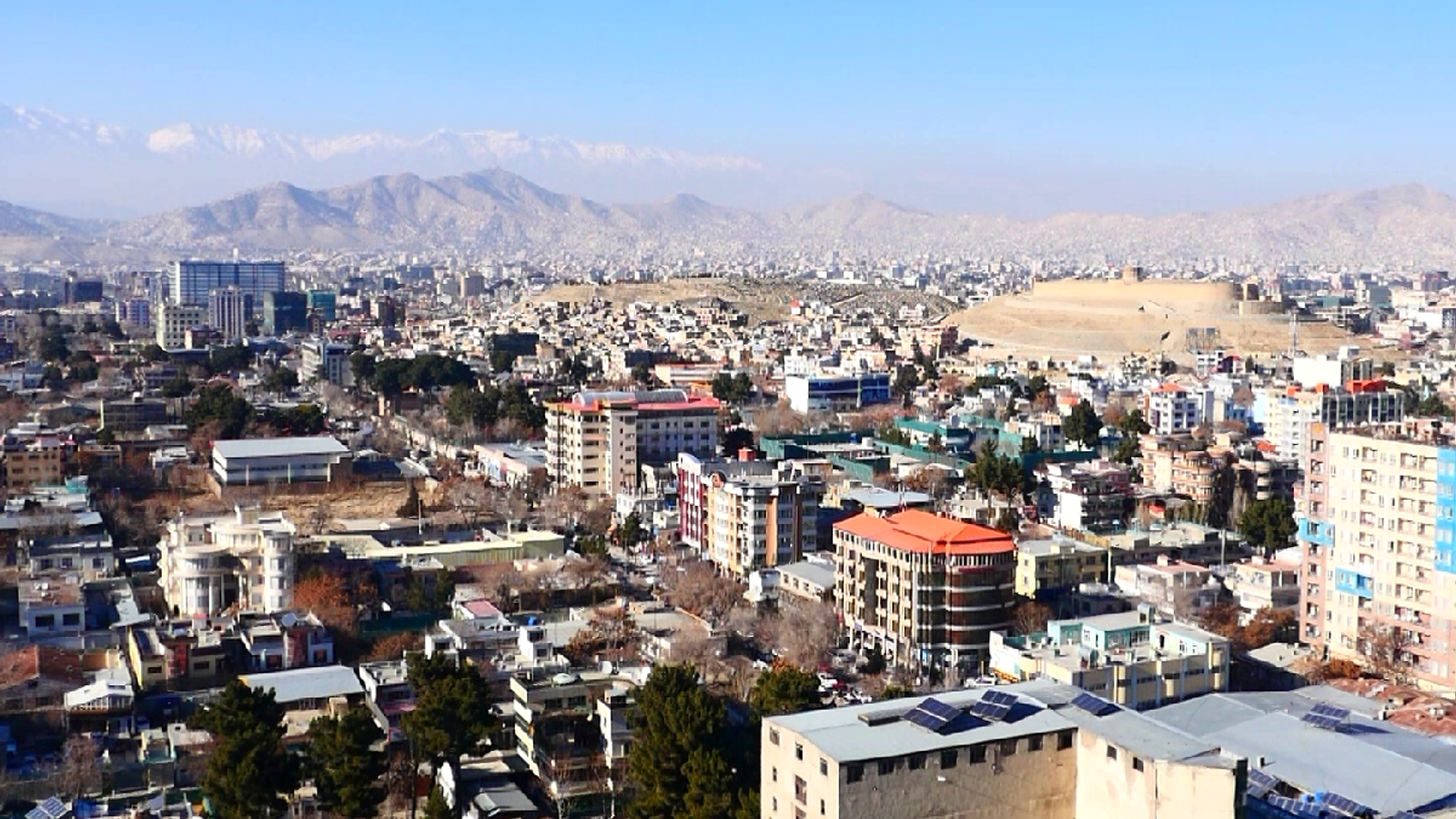
The Islamic Emirate of Afghanistan's foreign policy in solar year 1404 showed significant developments at regional and international levels, reflecting efforts to shift from isolation toward broader engagement.
Senior officials, including Mullah Abdul Ghani Baradar, Ibrahim Sadr, and Nooruddin Azizi, participated in Economic Cooperation Organization (ECO) meetings in Azerbaijan, Iran, and Turkey, signaling Kabul's push to strengthen economic and regional ties.
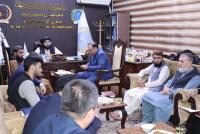
Foreign Minister Amir Khan Muttaqi attended the seventh consultative meeting of the Moscow Format on Afghanistan on 15 Miizan 1404 as an official member for the first time. He also took part in Organization of Islamic Cooperation and Tehran Dialogue Forum meetings. Muttaqi said: "Through close cooperation with the region and beyond, we are striving to turn Afghanistan, instead of a field of confrontation among powers, into a center of understanding and cooperation among countries."
Kabul hosted key trilateral meetings, including one with foreign ministers of Afghanistan, Uzbekistan, and Pakistan on 27 Saratan 1404, and another involving China, Afghanistan, and Pakistan.
Some international discussions on human rights, women's rights, inclusive government, and humanitarian aid occurred without direct Islamic Emirate participation, posing challenges to full recognition. Georgette Gagnon, UN Deputy Mission head in Afghanistan, told the UN Security Council: "With the Council's support, we can continue building bridges of interaction and efforts to achieve a peaceful Afghanistan, integrated into the global community and committed to human rights." Uzbekistan President Shavkat Mirziyoyev stated: "We are ready to carry out extensive cooperation with our partners in the Shanghai Cooperation Organization to implement programs and projects aimed at rebuilding Afghanistan's economy and expanding regional cooperation with this country."
Bilateral engagement grew with about 100 official trips by Islamic Emirate officials to regional and extra-regional countries. Ministers of foreign affairs, public health, and industry and commerce visited India for the first time. High-level delegations from the United States, Britain, Pakistan, Iran, Uzbekistan, Kazakhstan, China, and the United Nations visited Kabul, including a rare Tajikistan delegation on 25 Aqrab.
Diplomatic representations expanded, with over 40 active Islamic Emirate missions abroad and about 20 foreign representations in Kabul. UN Deputy Secretary-General Rosemary DiCarlo said: "The international community wants progress in Afghanistan; however, it emphasizes that global commitments must be observed; including respect for the UN Charter and adherence to treaties and agreements that Afghanistan has joined over the years." Iran's Foreign Minister Seyyed Abbas Araqchi noted: "We have always been seriously affected by developments in Afghanistan, so it is natural that we are sensitive to the fate of our neighboring country, its developments, and its policies, and can manage them."
Read the original reporting at ToloNews →
Reliability assessment
Single source (ToloNews) provides direct, on-record attributions with concrete, checkable details including named officials (e.g., Amir Khan Muttaqi, Mullah Abdul Ghani Baradar), specific dates (e.g., 15 Miizan 1404, 27 Saratan 1404), locations, meetings, and quotes, meeting reliability criteria for single-source reporting.
The source language reads straight.
Across the newsrooms
Filed by
ToloNews
Originating
Reported straight
Reported straight
Filed under
International — Islamic Emirate of Afghanistan, Amir Khan Muttaqi, Moscow Format, ECO, Regional Diplomacy
Reader supported
Keep Ehtebar running
Every published story uses paid tools to translate reporting, compare sources, extract claims, and produce a clearer read on Afghanistan. Reader support helps keep that work independent.
€5
helps cover daily verification runs
€15
supports a week of source comparison
€50
keeps independent analysis moving