
POLITICS — May 21, 2026
Islamic Emirate Spokesman Defends Separation of Spouses Regulation
The Islamic Emirate of Afghanistan's spokesman has defended a new divorce regulation as consistent with Sharia and not authorizing forced marriages. The United Nations Assistance Mission in Afghanistan has raised concerns about potential discrimination against women.
The Ehtebar Desk — originates with BBC Persian — corroborated by Ariana News — 2 min read
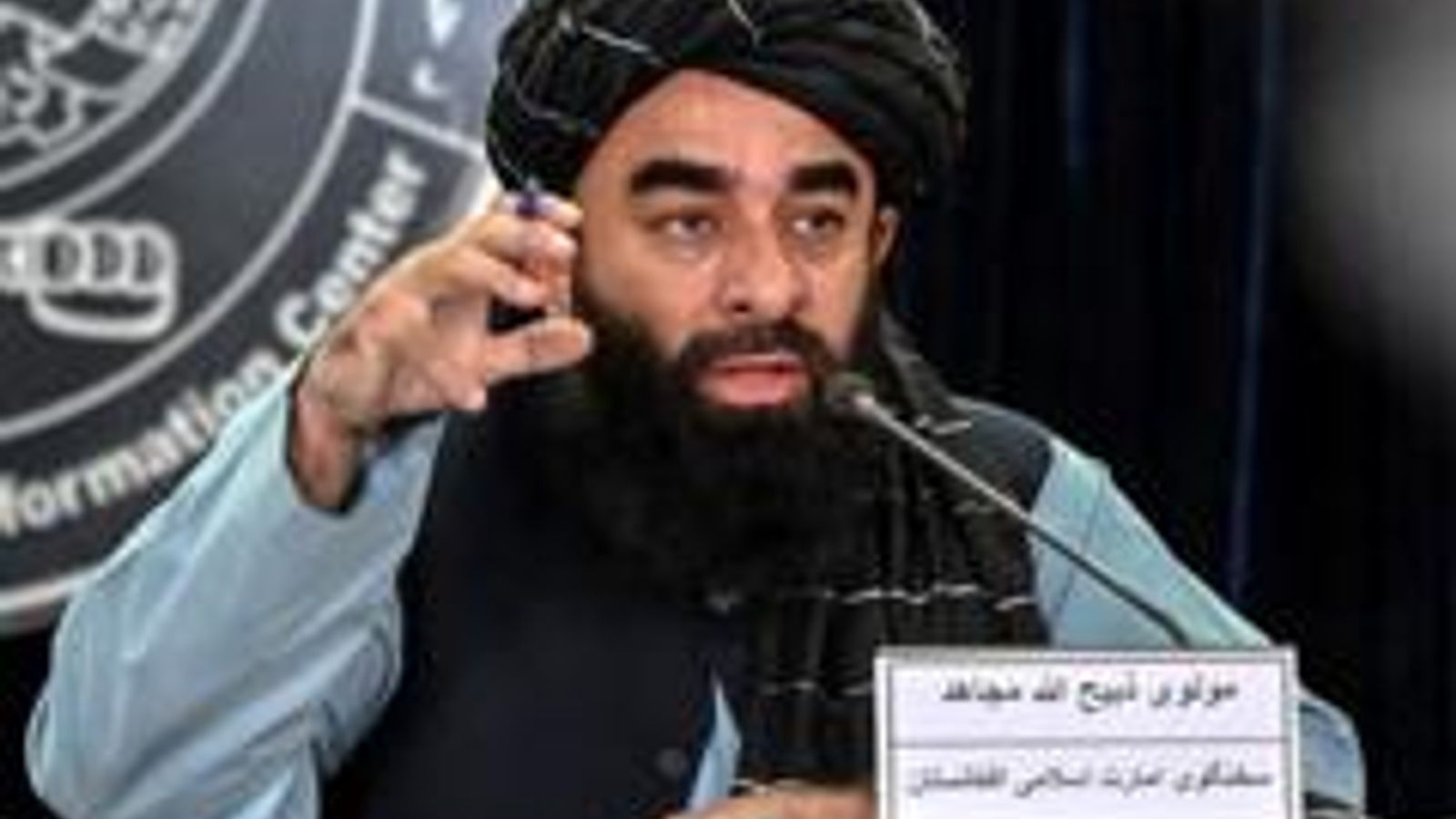
Zabihullah Mujahid, spokesperson for the Islamic Emirate of Afghanistan, stated that the Separation of Spouses regulation does not authorize forced marriage or child marriage.
The Ministry of Justice published the Divorce Principles Document on May 14, 2026. Mujahid said the regulation aligns with Islamic Sharia and Hanafi jurisprudence. He outlined conditions for guardians, including fathers and grandfathers, to exercise authority over minors. These conditions require kindness, absence of mental disorders, no history of cruelty, no narcotics addiction, and decisions not based on poverty.
Mujahid noted that the leader of the Islamic Emirate has separately banned marrying girls without consent. He added that authorities handled thousands of forced marriage cases last year.
Mujahid dismissed criticisms from opponents, saying their views have no importance because they conflict with Islamic principles. The United Nations Assistance Mission in Afghanistan expressed deep concern that the regulation entrenches systemic discrimination by granting men unilateral divorce rights while imposing complex judicial processes on women.
Read the original reporting at BBC Persian →
Reliability assessment
Two independent sources corroborate the core event of the regulation's publication and Mujahid's on-record statements with consistent details on Sharia guardianship and the anti-forced-marriage decree. Differing emphasis (defense vs. criticism) does not affect reliability of reported facts.
The source language mixes facts with framing or advocacy wording. Ariana News: "protests from those who are in conflict with the religion of Islam are not new and should not be given importance" and "demonstrates the Islamic Emirate's attention to women's rights" – these phrases frame critics as anti-Islamic and present the Emirate's actions in a positive, defensive light to counter criticism.; BBC Persian: "deep concern", "weakening the rights of Afghan women and girls", "entrenches systemic discrimination", "completely unequal framework", "reinforces structural discrimination" — these phrases frame the decree negatively with opinion language and advocacy phrasing about rights and discrimination.
Independent web corroboration
A separate web search returned 8 matching reports. A selection:
In the second chapter of the regulation, child marriage is recognized, and provisions regarding the annulment of child marriages and the authority to dissolve them are also discussed.
- UN expresses grave concern over new Taliban decree that includes provision on child marriage | World | the-messenger.comthe-messenger.com
Mujahid noted that Afghanistan's supreme leader, Hibatullah Akhundzada, has already issued a previous decree that bans the forced marriage of girls.
- UN expresses grave concern over new Taliban decree that includes provision on child marriageapnews.com
Mujahid noted that Afghanistan’s supreme leader Hibatullah Akhundzada has already issued a previous decree that bans the forced marriage of girls.
Across the newsrooms
Where reports agree
- Mujahid defended the regulation as consistent with Sharia and not authorizing forced or child marriage.
- The regulation provides guidance for courts on guardianship and separation cases.
- Mujahid emphasized conditions for valid guardianship authority over minors.
- A separate Taliban decree exists against forced marriage without consent.
Where reports differ
- Ariana News focuses solely on Mujahid's defense and Islamic Emirate actions; BBC Persian additionally reports UNAMA criticism and highlights unequal divorce rights for women.
Filed by 2 outlets
BBC Persian
Originating
Framed
Framed
Ariana News
Framed
Framed
Filed under
Politics — Taliban, Zabihullah Mujahid, Women's Rights, Islamic Emirate of Afghanistan, UNAMA
Reader supported
Keep Ehtebar running
Every published story uses paid tools to translate reporting, compare sources, extract claims, and produce a clearer read on Afghanistan. Reader support helps keep that work independent.
€5
helps cover daily verification runs
€15
supports a week of source comparison
€50
keeps independent analysis moving
More in Politics

Islamic Emirate Leader Orders 21 New Appointments Across Government Posts
— Reliable

Discussion Held on Presenting Achievements of Government Program in Media
— Reliable
Supreme Court of the Islamic Emirate of Afghanistan Outlines Judicial Reforms and Achievements
— Unverified
Ministry of Information and Culture of the Islamic Emirate of Afghanistan Announces Annual Activities and Achievements
— Reliable