
POLITICS — April 30, 2026
Malala Yousafzai Calls for International Recognition of Gender Apartheid in Afghanistan
Malala Yousafzai met with Scottish First Minister John Swinney to urge international recognition of gender apartheid and the inclusion of Afghan women in negotiations, amid worsening press freedom rankings.
The Ehtebar Desk — originates with Khaama Press — corroborated by Ariana News — 2 min read
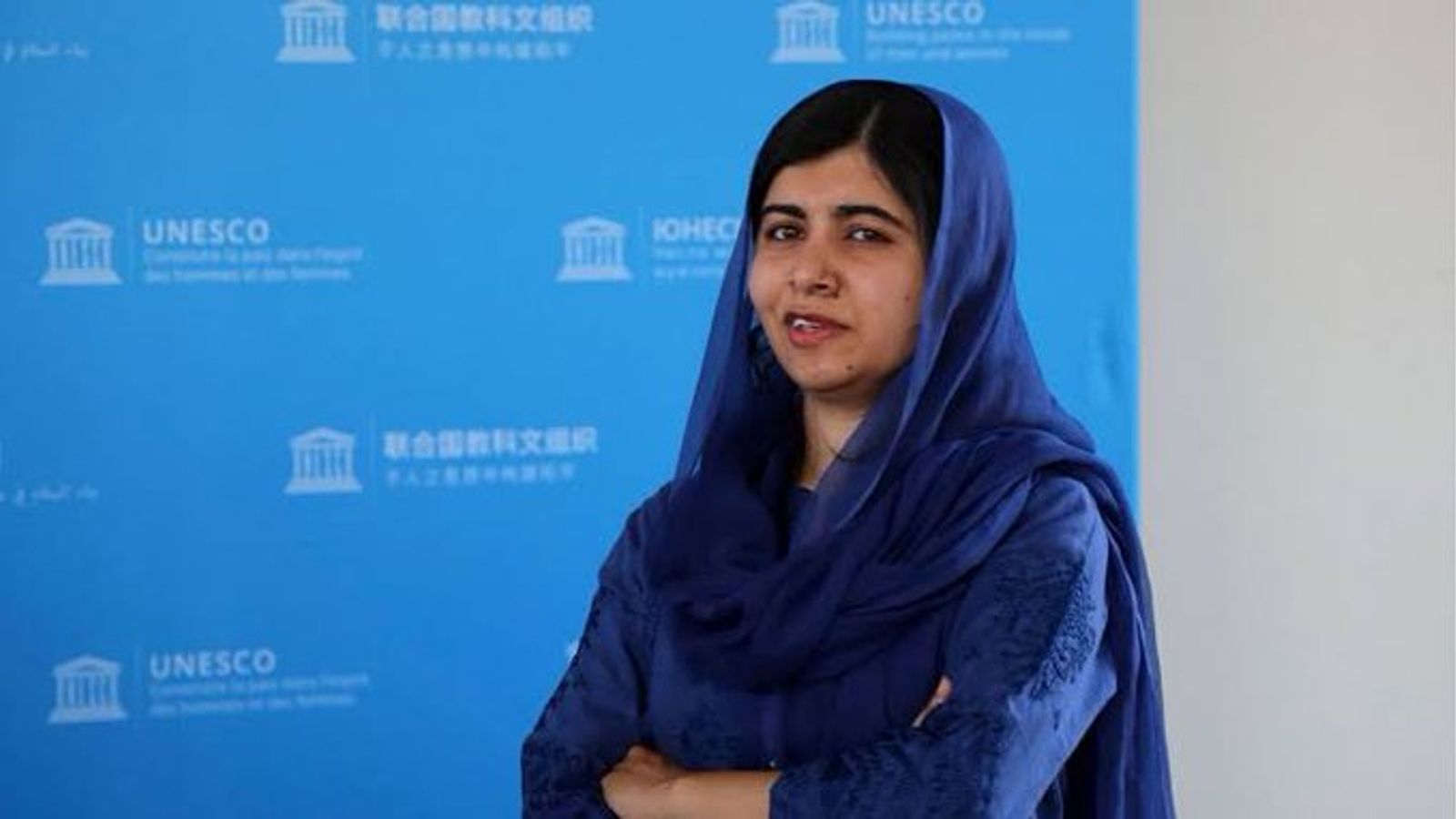
Nobel laureate Malala Yousafzai has called on the international community to formally recognize “gender apartheid” under international law and to ensure Afghan women are included in future negotiations with the Taliban. During a meeting with Scottish First Minister John Swinney, Yousafzai highlighted nearly five years of severe restrictions imposed on women and girls across Afghanistan.
Following the meeting, Swinney pledged his government’s support for efforts to criminalize gender apartheid. Both officials released a joint statement condemning the policies enacted by the Taliban since their return to power in 2021. The statement emphasized the need for global accountability and the inclusion of Afghan women in diplomatic processes.
Since 2021, the Taliban has enforced sweeping limitations on women’s rights, including bans on secondary and higher education, strict employment restrictions, and controls on freedom of movement. Yousafzai noted that these measures have systematically excluded women from public life and education.
The push for legal recognition of gender apartheid coincides with new findings on media freedom in the country. Reporters Without Borders recently published its 2026 Press Freedom Index, which ranks Afghanistan near the bottom globally. The report attributes the sharp decline to widespread censorship, institutionalized restrictions, and ongoing threats against journalists since the change in administration.
Advocates and international observers continue to monitor the situation, urging diplomatic channels to address the systemic limitations placed on Afghan women and the independent press.
Read the original reporting at Khaama Press →
Reliability assessment
Single-source report but features direct, on-record attribution to named public figures (Malala Yousafzai, John Swinney) and references a specific, verifiable external report (RSF 2026 Press Freedom Index). The core event (the meeting, statements, and RSF findings) is concretely detailed and attributable.
The source language reads straight.
Independent web corroboration
A separate web search returned 8 matching reports. A selection:
- Malala seeks ‘support’ for Afghan women and girls after meeting Swinney | The Independentindependent.co.uk
Leading human rights campaigner Malala Yousafzai has urged world leaders to show their “support and solidarity” for Afghan women and girls living under the Taliban regime as she pushed for the criminalisation of “gender apartheid.”
- Malala seeks ‘support’ for Afghan women and girls after meeting Swinney | The Standardstandard.co.uk
Leading human rights campaigner Malala Yousafzai has urged world leaders to show their “support and solidarity” for Afghan women and girls living under the Taliban regime as she pushed for the criminalisation of “gender apartheid.”
- Malala seeks ‘support’ for Afghan women and girls after meeting Swinney | The Heraldheraldscotland.com
Leading human rights campaigner Malala Yousafzai has urged world leaders to show their “support and solidarity” for Afghan women and girls living under the Taliban regime as she pushed for the criminalisation of “gender apartheid.”
Across the newsrooms
Filed by 2 outlets
Khaama Press
Originating
Reported straight
Reported straight
Ariana News
Filed under
Politics — Malala Yousafzai, John Swinney, Taliban, Gender Apartheid, Reporters Without Borders
Reader supported
Keep Ehtebar running
Every published story uses paid tools to translate reporting, compare sources, extract claims, and produce a clearer read on Afghanistan. Reader support helps keep that work independent.
€5
helps cover daily verification runs
€15
supports a week of source comparison
€50
keeps independent analysis moving
More in Politics

Islamic Emirate Leader Orders 21 New Appointments Across Government Posts
— Reliable
Discussion Held on Presenting Achievements of Government Program in Media
— Reliable
Supreme Court of the Islamic Emirate of Afghanistan Outlines Judicial Reforms and Achievements
— Unverified
Ministry of Information and Culture of the Islamic Emirate of Afghanistan Announces Annual Activities and Achievements
— Reliable