
SOCIETY — March 9, 2026
Ministry of Hajj sets Sadaqah al-Fitr amount at 62-64 Afghanis based on wheat price ahead of Eid al-Fitr
Afghanistan's Ministry of Hajj and Religious Affairs has determined the Sadaqah al-Fitr amount at 62-64 Afghanis based on wheat prices for Eid al-Fitr. Religious scholars emphasize its obligation and benefits for social unity and poverty reduction.
The Ehtebar Desk — originates with Pajhwok — 2 min read
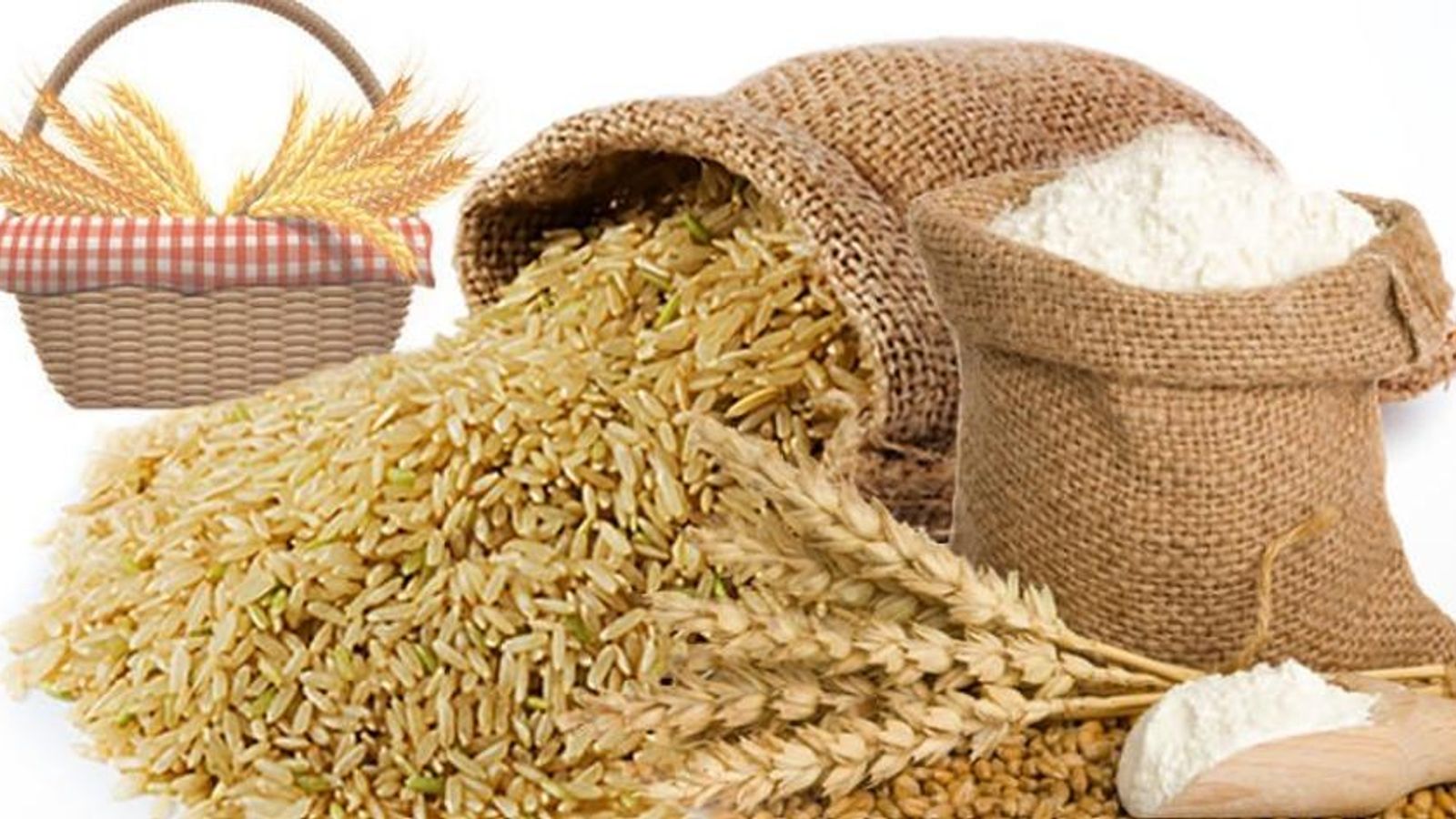
Kabul (Pajhwok): Religious scholars state that Sadaqah al-Fitr, also known as Zakat al-Fitr, is an obligatory Islamic ruling that fosters help, affection and brotherhood between the wealthy and the needy in society. The Ministry of Hajj and Religious Affairs has set this year's amount at 62 to 64 Afghanis per person, based on the current market price of wheat.
Sadaqah al-Fitr is an obligatory charity that Muslims pay at the end of Ramadan, before the Eid al-Fitr prayer, to poor and needy individuals.
Noorullah Kosar, a religious scholar, told Pajhwok that Sadaqah al-Fitr is obligatory for each family member of those who can afford it and meet the nisab threshold, meaning they have money beyond daily needs and can cover food for today and tomorrow. He said a family head can pay on behalf of others, but independents must pay their own. It should be given to the poor and destitute.
Kosar added that it becomes obligatory on the morning of Eid but can be paid earlier, ideally in the last two days of Ramadan, and must be before the Eid prayer. He noted it promotes affection between rich and poor, strengthens brotherhood, has positive societal effects, creates economic balance and reduces poverty.
Dhbi Hala, a resident of Kabul's ninth district, said his household of 10 paid early at the start of Ramadan due to fasting and unemployment, urging others to give during Ramadan to help the needy.
The Ministry of Hajj and Religious Affairs detailed prices according to the Hanafi school: 1,900 grams of wheat at 59 Afghanis, wheat flour at 61 Afghanis; for precaution, 2 kg wheat at 62 Afghanis or flour at 64 Afghanis per person. For 3,800 grams: barley at 118 Afghanis, barley flour at 122 Afghanis, dates at 540 Afghanis, raisins at 920 Afghanis. Adjusted for 4 kg per person: barley 124, barley flour 128, dates 568, raisins 986 Afghanis. In provinces, cash equivalents should follow local rates.
Read the original reporting at Pajhwok →
Reliability assessment
Single source with direct attribution from Ministry of Hajj and Religious Affairs announcement, named religious scholar Noorullah Kosar, and quoted resident; concrete prices, quantities and details provided.
The source language reads straight.
Across the newsrooms
Filed by
Pajhwok
Originating
Filed under
Society — Eid al-Fitr, Sadaqah al-Fitr, Ministry of Hajj and Religious Affairs, Zakat al-Fitr, Afghanistan
Reader supported
Keep Ehtebar running
Every published story uses paid tools to translate reporting, compare sources, extract claims, and produce a clearer read on Afghanistan. Reader support helps keep that work independent.
€5
helps cover daily verification runs
€15
supports a week of source comparison
€50
keeps independent analysis moving
More in Society

Health Officials and Experts Discuss Rise in Black Jaundice Cases in Afghanistan
— Reliable

Discussion on Agricultural Products and Health Services in Samangan Province
— Reliable
WHO Report Cites Taliban Restrictions and Funding Shortfalls as Threats to Health Services in Afghanistan
— Reliable
Afghan officials report returns of families from Pakistan and Iran alongside releases from Pakistani prisons
— Reliable