
POLITICS — April 20, 2026
Mohaqiq’s Stance on Durand Line Draws Mixed Reactions from Afghan Political Figures
Mohammad Mohaqiq’s recognition of the Durand Line as Afghanistan’s official border has sparked widespread debate among former officials and commentators, with critics emphasizing the need for national consensus on territorial boundaries.
The Ehtebar Desk — originates with Amu TV — corroborated by Pajhwok — 2 min read
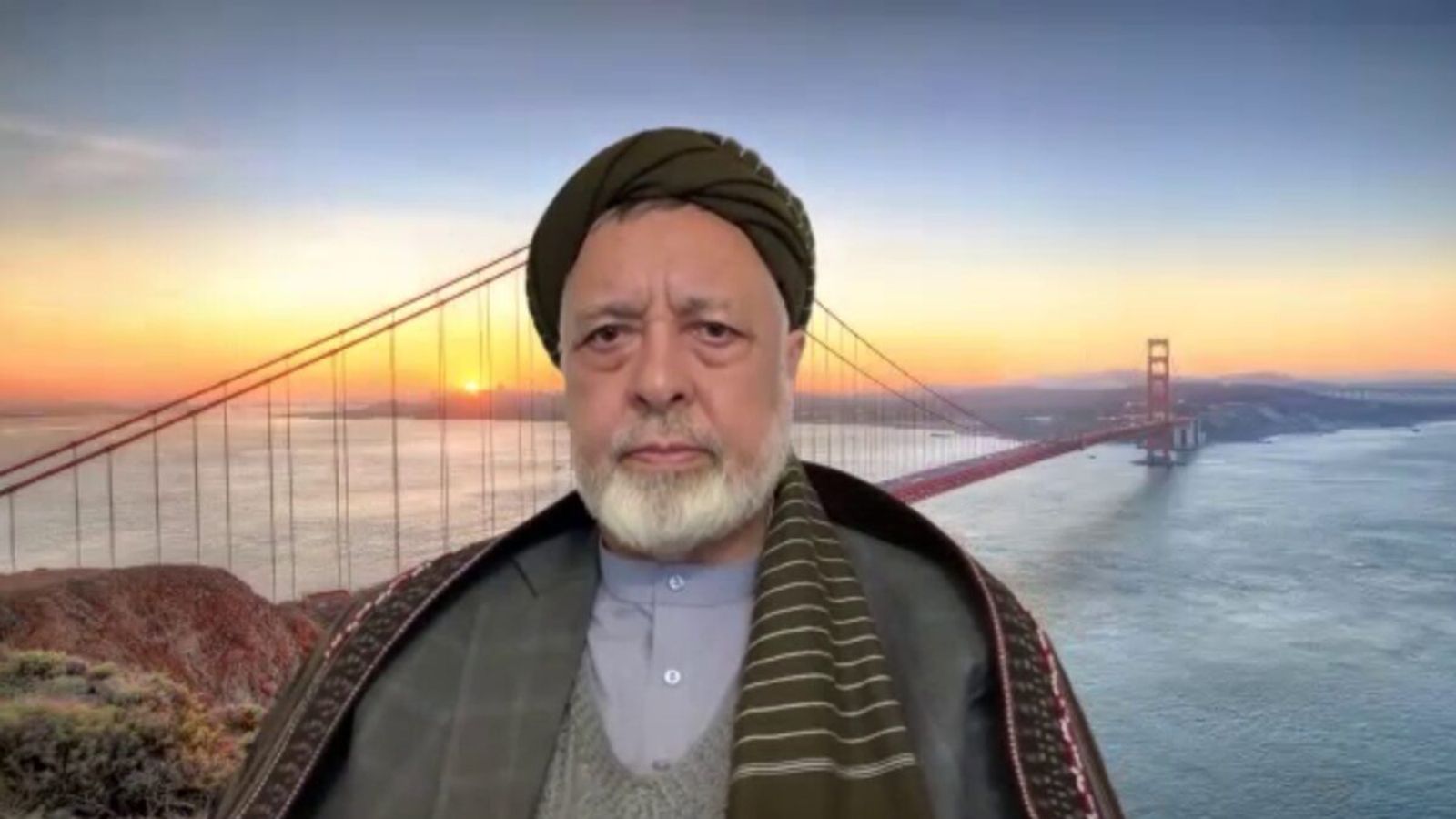
Mohammad Mohaqiq’s recent remarks regarding the Durand Line have triggered a broad debate among Afghan political figures, former officials, and journalists. During a televised interview, Mohaqiq stated that he recognizes the Durand Line as Afghanistan’s official border, citing United Nations declarations and international legal frameworks. He also suggested that Pakistan might respond favorably to requests for cooperation from groups opposing the Taliban.
The statements drew immediate responses from across the political spectrum. Former officials and public figures emphasized that decisions concerning national boundaries cannot be made unilaterally. Critics, including former minister Omar Daudzai and former military commander Sami Sadat, rejected the unilateral recognition of the border, describing the line as hypothetical and warning that such a stance could undermine national unity and the principle of self-determination.
Despite differing views on how to address the border issue, respondents broadly agreed that any resolution requires a national consensus and formal public deliberation. Some commentators argued that acknowledging the current border aligns with the historical state-building efforts of Amir Abdur Rahman Khan and reflects contemporary international realities. Others maintained that treaties established during periods of foreign intervention should not override popular sovereignty.
The Durand Line remains a deeply sensitive topic in Afghan political discourse. While Mohaqiq framed his position within the context of international law and regional diplomacy, opponents stressed that border determinations must involve collective decision-making processes to preserve national sovereignty and historical continuity.
Read the original reporting at Amu TV →
Reliability assessment
The report is rated reliable as it documents on-record statements made by a named public figure (Mohammad Mohaqiq) during a televised interview, which constitutes a directly verifiable and attributable fact. The event is corroborated by two independent outlets (Amu TV and Pajhwok), confirming both the remarks and the subsequent political reactions. The reliability rating reflects the concrete nature of the reported statement and its coverage, not an endorsement of the political stance itself.
The source language reads straight.
Independent web corroboration
A separate web search returned 8 matching reports. A selection:
As a result, formal acceptance ... engagement. Mohaqiq’s remarks therefore highlight a growing divide between segments of the political elite and broader public sentiment....
Amu: Mohammad Mohaqiq, a senior political figure and opponent of the Taliban, said in an interview with Amu TV that he recognizes the Durand Line as the border between Afghanistan and Pakistan, a position that remains deeply contentious in Afghanistan’s politics.
Across the newsrooms
Where reports agree
- The Durand Line remains a highly sensitive and deeply controversial issue in Afghan political discourse.
- Respondents across the political spectrum agree that decisions regarding national borders cannot be made unilaterally and require broad public consensus or national gatherings.
- There is widespread acknowledgment that the border issue intersects with historical treaties, international law, and Afghan national sovereignty.
Where reports differ
- Mohaqiq advocates accepting the Durand Line based on UN/international frameworks, while figures like Omar Daudzai and Sami Sadat reject unilateral acceptance, labeling the line 'hypothetical' or warning it undermines national unity and self-determination.
- Commentators differ on historical framing: some (Akhlaqi, Mehrdad) argue that accepting the borders is consistent with Abdur Rahman Khan's state-building legacy and avoids new conflicts, whereas others prioritize popular sovereignty and reject treaties imposed during historical great-power rivalries.
Filed by 2 outlets
Amu TV
Originating
Reported straight
Reported straight
Pajhwok
Framed
Framed
Filed under
Politics — Mohammad Mohaqiq, Durand Line, Islamic Unity Party of Afghanistan, Hanif Atmar, Pakistan-Afghanistan Relations
Reader supported
Keep Ehtebar running
Every published story uses paid tools to translate reporting, compare sources, extract claims, and produce a clearer read on Afghanistan. Reader support helps keep that work independent.
€5
helps cover daily verification runs
€15
supports a week of source comparison
€50
keeps independent analysis moving
More in Politics

Islamic Emirate Leader Orders 21 New Appointments Across Government Posts
— Reliable
Discussion Held on Presenting Achievements of Government Program in Media
— Reliable
Supreme Court of the Islamic Emirate of Afghanistan Outlines Judicial Reforms and Achievements
— Unverified
Ministry of Information and Culture of the Islamic Emirate of Afghanistan Announces Annual Activities and Achievements
— Reliable