
SOCIETY — May 7, 2026
Nearly $5 Million Investment to Upgrade Medicine and Food Laboratory in Herat
Provincial officials in Herat announced a nearly $5 million upgrade to the local Medicine and Food Laboratory, with half of the new testing equipment already delivered. The expanded facility will add pharmaceutical quality control and strengthen oversight at western border crossings.
The Ehtebar Desk — originates with Pajhwok — corroborated by Bakhtar News — 2 min read
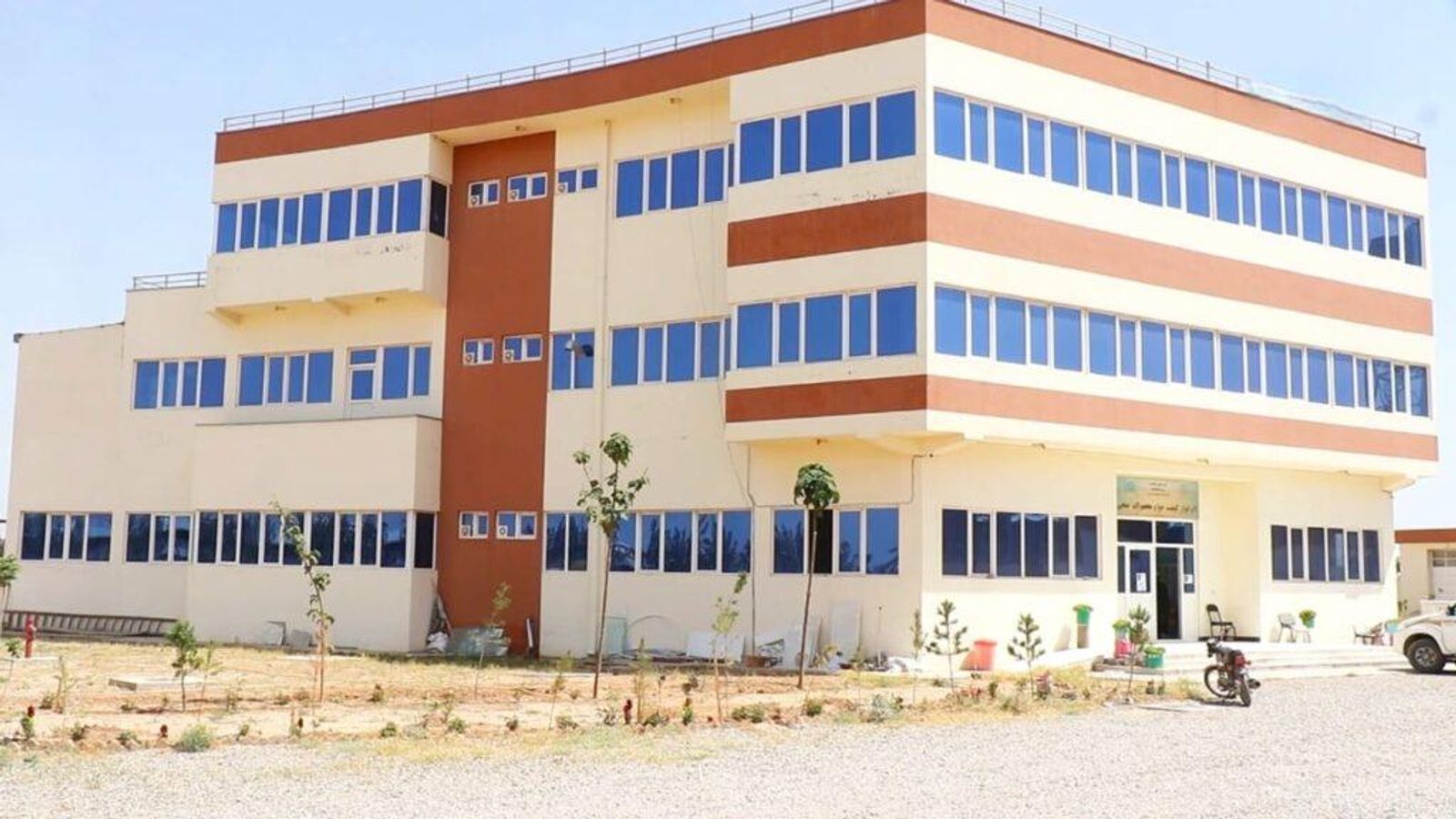
Provincial health officials in Herat have announced a nearly $5 million investment to upgrade the province’s Medicine and Food Laboratory. The initiative involves the procurement of advanced diagnostic and testing equipment, with approximately half of the machinery already delivered to the site.
According to health authorities, the facility currently handles only limited food quality assessments. Once the new equipment is fully installed and calibrated, the laboratory will expand its operations to include comprehensive pharmaceutical testing. Officials noted that the modernization will standardize testing protocols, significantly reduce processing times for local traders and industrialists, and improve overall quality control for consumer goods.
The upgraded laboratory will also play a central role in strengthening regulatory oversight at major western border crossings, specifically Torghundi, Islam Qala, and Rozanak. By establishing a reliable regional testing hub, authorities aim to intercept and prevent substandard medicines and food products from entering the country through these high-traffic transit routes.
The equipment procurement was managed by the General Directorate of Medicines and Food under the Ministry of Public Health. Provincial officials confirmed that technical installation and staff training are currently in progress, with the laboratory expected to become fully operational once the remaining shipments arrive and final preparations are completed.
Read the original reporting at Pajhwok →
Reliability assessment
Two independent outlets corroborate the core event with direct, on-record attribution to named provincial health officials, specific investment figures ($5M), delivery status (~50% arrived), and named border crossings. Minor transliteration differences in names and slight variations in procurement attribution do not undermine the factual consistency of the report.
The source language reads straight.
Independent web corroboration
An independent web search turned up no separate corroborating reports. Treat the account as single-sourced until more outlets pick it up.
Across the newsrooms
Where reports agree
- Nearly $5 million investment in Herat's Medicine and Food Laboratory
- Approximately 50% of the advanced equipment has already been delivered
- Current operations are limited to food testing, with pharmaceutical testing to follow full installation
- The facility will improve testing speed and standardization for traders and industrialists
- The lab will enhance border quality control at Torghundi, Islam Qala, and Rozanak crossings
Where reports differ
- Minor transliteration differences in official names (Yarzada/Yarizada, Rasouli/Rasooli)
- Pajhwok specifies central Ministry procurement, while Bakhtar News focuses on provincial directorate announcements without specifying the purchasing authority
Filed by 2 outlets
Pajhwok
Originating
Reported straight
Reported straight
Bakhtar News
Reported straight
Reported straight
Filed under
Society — Herat, Medicine and Food Laboratory, Public Health, Islam Qala, Torghundi
Reader supported
Keep Ehtebar running
Every published story uses paid tools to translate reporting, compare sources, extract claims, and produce a clearer read on Afghanistan. Reader support helps keep that work independent.
€5
helps cover daily verification runs
€15
supports a week of source comparison
€50
keeps independent analysis moving
More in Society
Health Officials and Experts Discuss Rise in Black Jaundice Cases in Afghanistan
— Reliable
Discussion on Agricultural Products and Health Services in Samangan Province
— Reliable
WHO Report Cites Taliban Restrictions and Funding Shortfalls as Threats to Health Services in Afghanistan
— Reliable
Afghan officials report returns of families from Pakistan and Iran alongside releases from Pakistani prisons
— Reliable