
CULTURE — March 21, 2026
Nowruz in Kazakhstan: From Soviet Ban to National Holiday
Nowruz, or Nauryz Mairamy, is Kazakhstan's key spring festival, banned under Soviet rule in 1926 but revived in 1988 and made a national holiday after 1991 independence. Celebrated from March 21-23, it features traditional rituals, foods like Nauryz Kozhe and promotes ethnic unity and renewal.
The Ehtebar Desk — originates with Amu TV — 2 min read
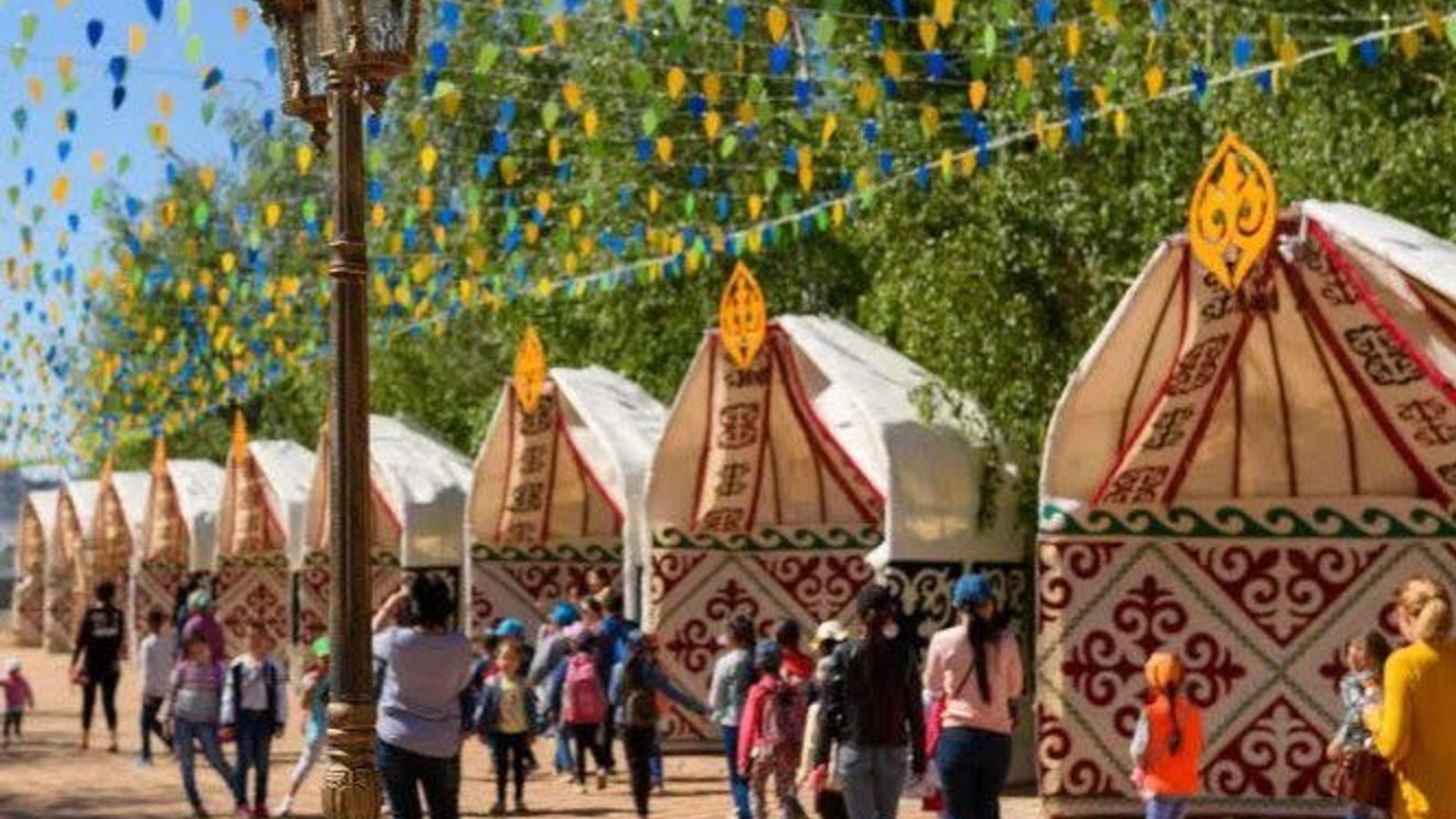
Nowruz, known as Nauryz Mairamy in Kazakhstan, is a major traditional festival marking the beginning of spring at the vernal equinox. The term "Nowruz" derives from Persian and means "new day." The holiday symbolizes nature's renewal, the start of the new year and the strengthening of social bonds.
During the Soviet era, Nowruz faced restrictions and was officially banned in 1926. The prohibition lasted for several decades, though the festival was preserved informally in limited form in some regions.
In the late 1980s, amid political reforms in the Soviet Union, Nowruz was permitted again and officially revived in 1988. After Kazakhstan gained independence in 1991, it was elevated to official national holiday status, celebrated annually from March 21 to 23.
In recent years, celebrations have expanded under the "Nauryzname Decade," with each day dedicated to specific cultural or social themes. Rituals include public festivals, traditional music and dances, and wearing local clothing. Cities and villages host gatherings that create an atmosphere of celebration and social solidarity.
A central element is Nauryz Kozhe, a traditional soup prepared from seven ingredients, each symbolizing concepts such as health, prosperity and happiness.
The festival reflects Kazakhstan's ethnic diversity and serves as an inclusive occasion that emphasizes values of coexistence, peace and renewal.
Read the original reporting at Amu TV →
Reliability assessment
Single source (Amu TV) provides concrete, checkable historical details including specific dates (1926 ban, 1988 revival, 1991 independence, March 21-23 holiday) and cultural specifics, corroborated by reference to Kazakh media.
The source language reads straight.
Across the newsrooms
Filed by
Amu TV
Originating
Reported straight
Reported straight
Filed under
Culture — Nowruz, Kazakhstan, Nauryz Mairamy, Soviet Union, Nauryz Kozhe
Reader supported
Keep Ehtebar running
Every published story uses paid tools to translate reporting, compare sources, extract claims, and produce a clearer read on Afghanistan. Reader support helps keep that work independent.
€5
helps cover daily verification runs
€15
supports a week of source comparison
€50
keeps independent analysis moving
More in Culture

Premier Pahlawani League Final to Crown First Champion Tonight in Kabul
— Reliable
Three-Day Tourism Capacity-Building Seminar Concludes in Herat
— Reliable
Deputy Minister of Culture and Art Says Efforts to Protect Historical Sites Will Continue
— Reliable
Traditional Gul-e-Zard Poetry Gathering Held in Kapisa
— Reliable