INTERNATIONAL — May 7, 2026
Pakistan Demands Written Security Guarantees From Taliban to Normalize Relations
Pakistan’s Foreign Ministry has stated that relations with Afghanistan will not normalize until the Taliban provides written guarantees to stop cross-border militant attacks, as local tribes independently negotiate border ceasefires.
The Ehtebar Desk — originates with Afghanistan International — corroborated by Hasht-e Subh and Amu TV — 2 min read
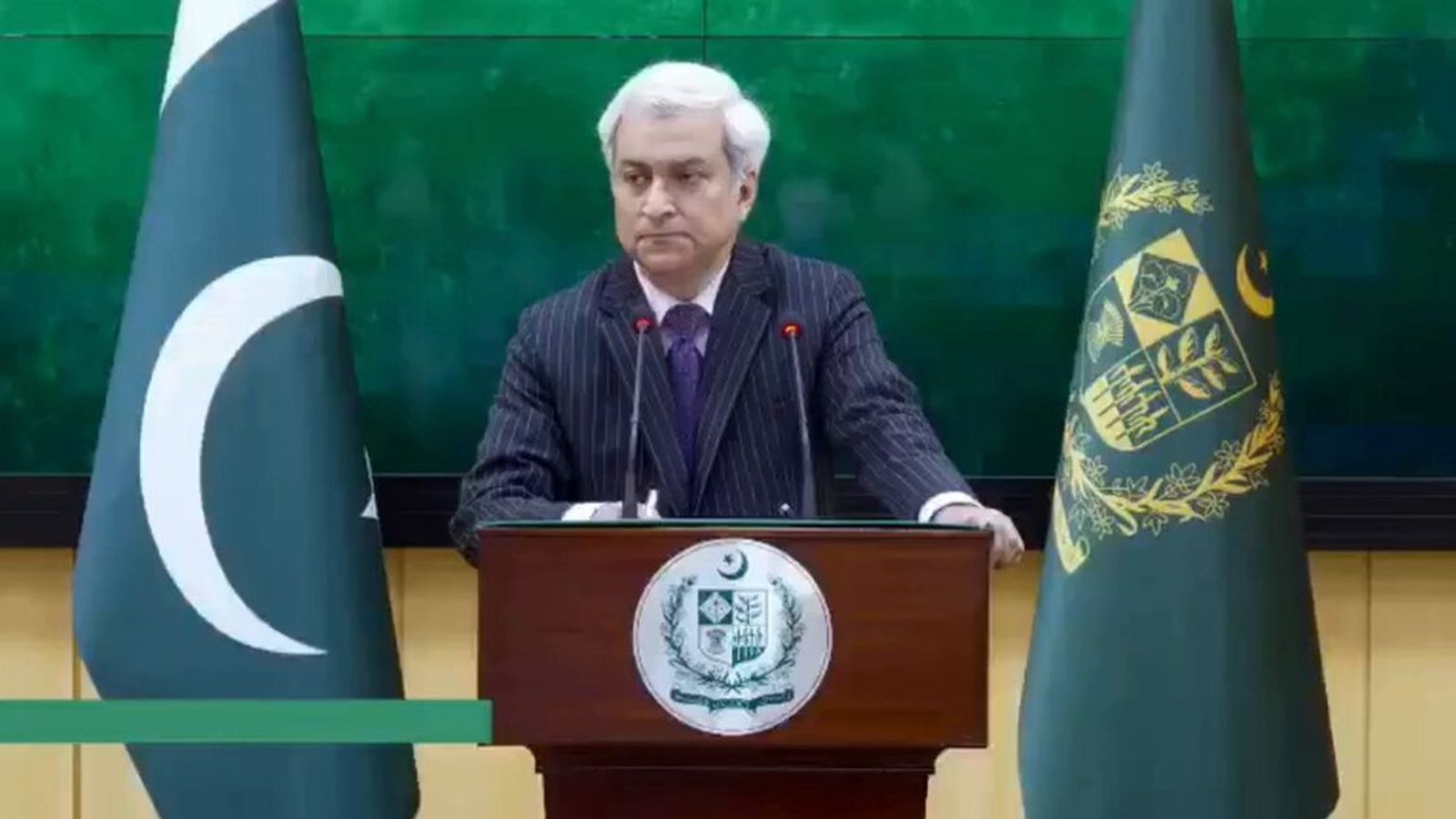
Pakistan’s Foreign Ministry has stated that bilateral relations with Afghanistan will not normalize until the Taliban administration provides a verifiable written commitment to halt cross-border militant attacks. Foreign Ministry spokesperson Tahir Andarabi outlined the condition during a press conference, accusing the Taliban of harboring militants who operate with impunity on Afghan soil to launch strikes against Pakistani targets.
Andarabi emphasized that unresolved security concerns remain the primary obstacle to improved ties, despite shared cultural and religious connections between the two nations. The diplomatic standoff has coincided with significant disruptions along the shared border. While Afghanistan International reported a complete closure of crossings, a suspension of trade, and a halt to visa issuance, Amu TV and Hasht-e Subh characterized the situation as persistent border and trade problems without confirming a total shutdown. International mediation efforts by regional partners have so far failed to de-escalate the crisis.
Amid the official impasse, local tribal communities on both sides of the Durand Line have independently negotiated ceasefire arrangements to reduce tensions in border regions such as Kunar, Bajaur, and Chitral. Pakistan’s Foreign Ministry welcomed these grassroots initiatives, noting that the meetings occurred without official government representation. However, sporadic clashes continue to affect civilian populations in the area.
The Taliban has not publicly addressed the specific demand for a written security pledge in recent statements. Pakistani officials maintain that without concrete, documented guarantees to prevent militant safe havens, diplomatic and economic normalization cannot proceed.
Read the original reporting at Afghanistan International →
Reliability assessment
Three independent outlets corroborate the core event: Pakistan's Foreign Ministry spokesperson Tahir Andarabi held an official press conference outlining conditions for normalizing relations with the Taliban, specifically demanding written guarantees to halt cross-border militant attacks. The attribution is direct, on-record, and consistent across all sources. Minor discrepancies regarding the exact list of mediating nations, specific casualty figures from clashes, and the detailed scope of border closures do not undermine the verification of the official statements and the underlying diplomatic standoff.
The source language reads straight.
Across the newsrooms
Where reports agree
- All three sources confirm Pakistan's MFA spokesperson held a press conference demanding written security guarantees from the Taliban as a precondition for normalizing relations.
- All sources report Pakistan's accusation that the Taliban allows militants to operate with impunity from Afghan territory.
- All sources acknowledge that despite shared cultural and religious ties, cross-border terrorism remains the primary obstacle to bilateral relations.
- Sources agree that local tribal initiatives have emerged to establish ceasefires, operating independently of official state channels.
Where reports differ
- Extent of economic/trade disruption: Afghanistan International explicitly states the border is completely closed, trade is severed, and visas are suspended, while Amu TV and Hasht-e Subh only reference general 'border and trade problems' without confirming a total closure.
- Casualty reporting: Hasht-e Subh reports dozens of civilians killed or injured in ongoing sporadic clashes, whereas the other two outlets do not mention current casualty figures.
- List of mediating countries: Afghanistan International cites Qatar, Turkey, and Saudi Arabia, while Amu TV adds China to the list of mediators.
- Taliban's explicit response: Afghanistan International explicitly notes the Taliban's refusal to sign a written commitment, while the other sources focus primarily on Pakistan's demands without detailing the Taliban's official stance on the written guarantee.
Filed by 3 outlets
Afghanistan International
Originating
Reported straight
Reported straight
Hasht-e Subh
Reported straight
Reported straight
Amu TV
Reported straight
Reported straight
Filed under
International — Pakistan, Taliban, Tahir Andarabi, Durand Line, Cross-border Security
Reader supported
Keep Ehtebar running
Every published story uses paid tools to translate reporting, compare sources, extract claims, and produce a clearer read on Afghanistan. Reader support helps keep that work independent.
€5
helps cover daily verification runs
€15
supports a week of source comparison
€50
keeps independent analysis moving