INTERNATIONAL — May 7, 2026
US and Iran Near Interim Agreement to Halt Hostilities
The United States and Iran are nearing a temporary, three-step interim agreement to halt hostilities and stabilize the Strait of Hormuz, while postponing complex nuclear disputes. Mediated by Pakistan, the deal has drawn cautious optimism from officials and triggered positive reactions in global markets.
The Ehtebar Desk — originates with Amu TV — corroborated by Khaama Press — 2 min read
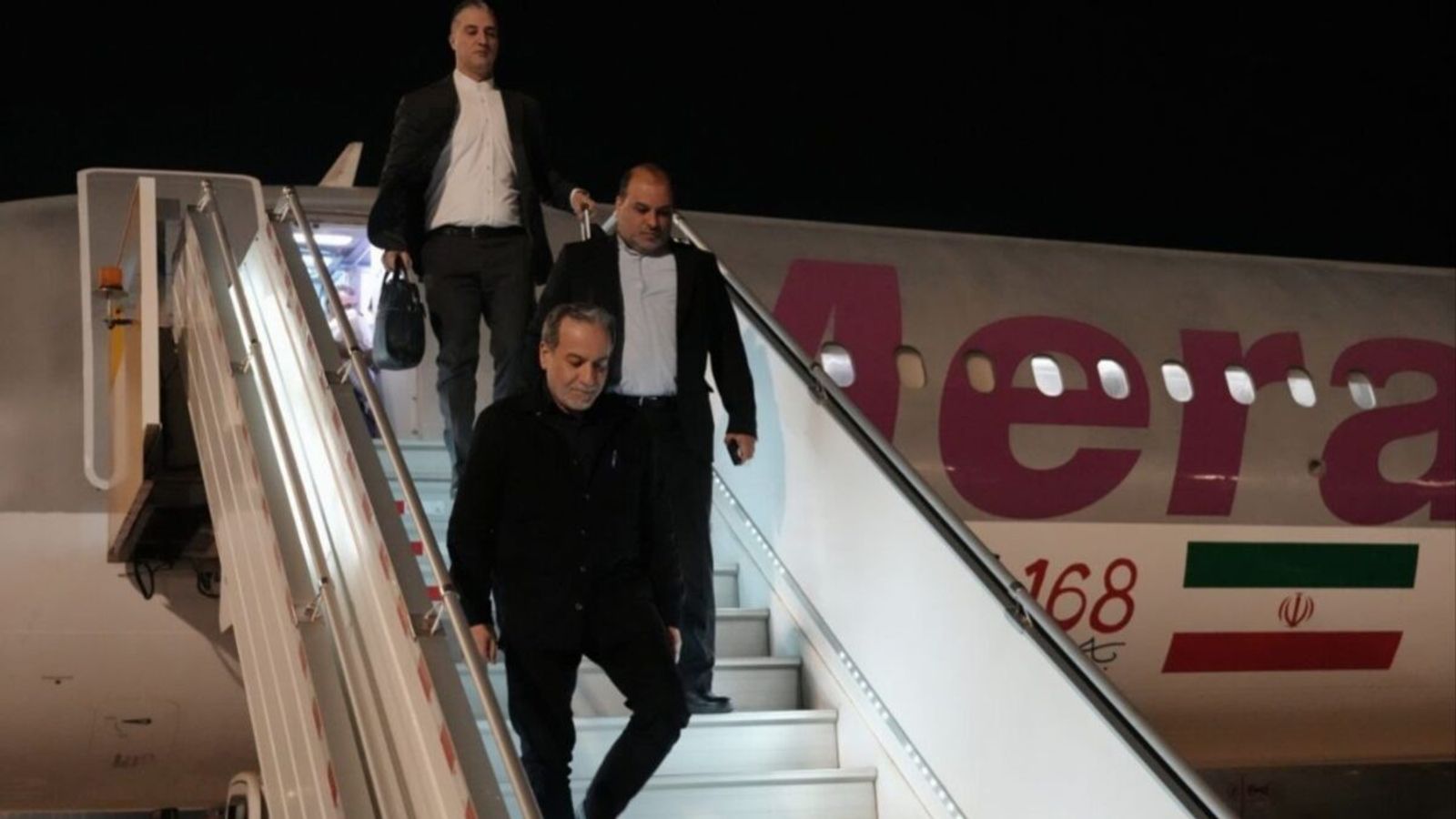
The United States and Iran are nearing a limited, temporary agreement aimed at halting active hostilities and stabilizing regional tensions, according to diplomatic sources and a draft proposal. The interim framework prioritizes a short-term ceasefire while deferring more complex disputes, particularly those surrounding Iran’s nuclear program.
The proposed arrangement outlines a three-step process. It begins with a formal cessation of hostilities, followed by measures to ease tensions and secure navigation in the Strait of Hormuz. The final phase establishes a thirty-day window for broader diplomatic negotiations aimed at a comprehensive settlement. Under this plan, contentious issues such as Iran’s enriched uranium stockpiles and the timeline for suspending nuclear activities will be addressed at a later stage.
Pakistan has played a central role in mediating the talks, with officials expressing optimism that an agreement could be finalized in the near term. United States President Donald Trump also indicated confidence in the diplomatic progress, noting the potential for a swift resolution. Global financial markets responded positively to the developments, with major stock indices rising and crude oil prices declining amid expectations of reduced regional instability.
Despite the forward momentum, Iranian officials have maintained a cautious stance. Tehran has emphasized that any lasting arrangement must eventually resolve outstanding nuclear concerns, which remain a primary sticking point in the negotiations. Both sides continue to engage through diplomatic channels as mediators work to bridge remaining gaps before the interim framework takes effect.
Read the original reporting at Amu TV →
Reliability assessment
Two independent outlets corroborate the core event based on a Reuters report citing official sources and a draft proposal. The reporting includes concrete, checkable details such as the three-step negotiation framework, specific unresolved nuclear issues, and named mediation efforts by Pakistan. The absence of contradictory claims and the alignment with a major wire service support a reliable rating.
The source language reads straight.
Independent web corroboration
An independent web search turned up no separate corroborating reports. Treat the account as single-sourced until more outlets pick it up.
Across the newsrooms
Where reports agree
- Both sources confirm the US and Iran are close to a limited interim deal to stop active hostilities.
- Both agree the arrangement is temporary and postpones contentious nuclear issues.
- Both outline the identical three-step framework (formal end to conflict, Strait of Hormuz stabilization, 30-day broader talks).
- Both identify Pakistan as a key diplomatic mediator in the process.
Where reports differ
- No factual contradictions exist between the two reports.
- Amu TV includes additional details on global market reactions, direct quotes from Donald Trump, and Iran's cautious stance, which Khaama Press omits.
Filed by 2 outlets
Amu TV
Originating
Reported straight
Reported straight
Khaama Press
Reported straight
Reported straight
Filed under
International — United States, Iran, Pakistan, Strait of Hormuz, Nuclear Program
Reader supported
Keep Ehtebar running
Every published story uses paid tools to translate reporting, compare sources, extract claims, and produce a clearer read on Afghanistan. Reader support helps keep that work independent.
€5
helps cover daily verification runs
€15
supports a week of source comparison
€50
keeps independent analysis moving