INTERNATIONAL — February 12, 2026
Pakistan keeps diplomacy open with Taliban, demands action against militants: Foreign Ministry spokesperson
Pakistan's Foreign Ministry spokesperson Tahir Andrabi affirmed that diplomacy with the Taliban remains open amid tensions, demanding action against militants like TTP operating from Afghanistan, as corroborated by a UN Security Council report detailing Taliban support for such groups.
The Ehtebar Desk — originates with Hasht-e Subh — corroborated by ToloNews, Ariana News and Amu TV — 2 min read
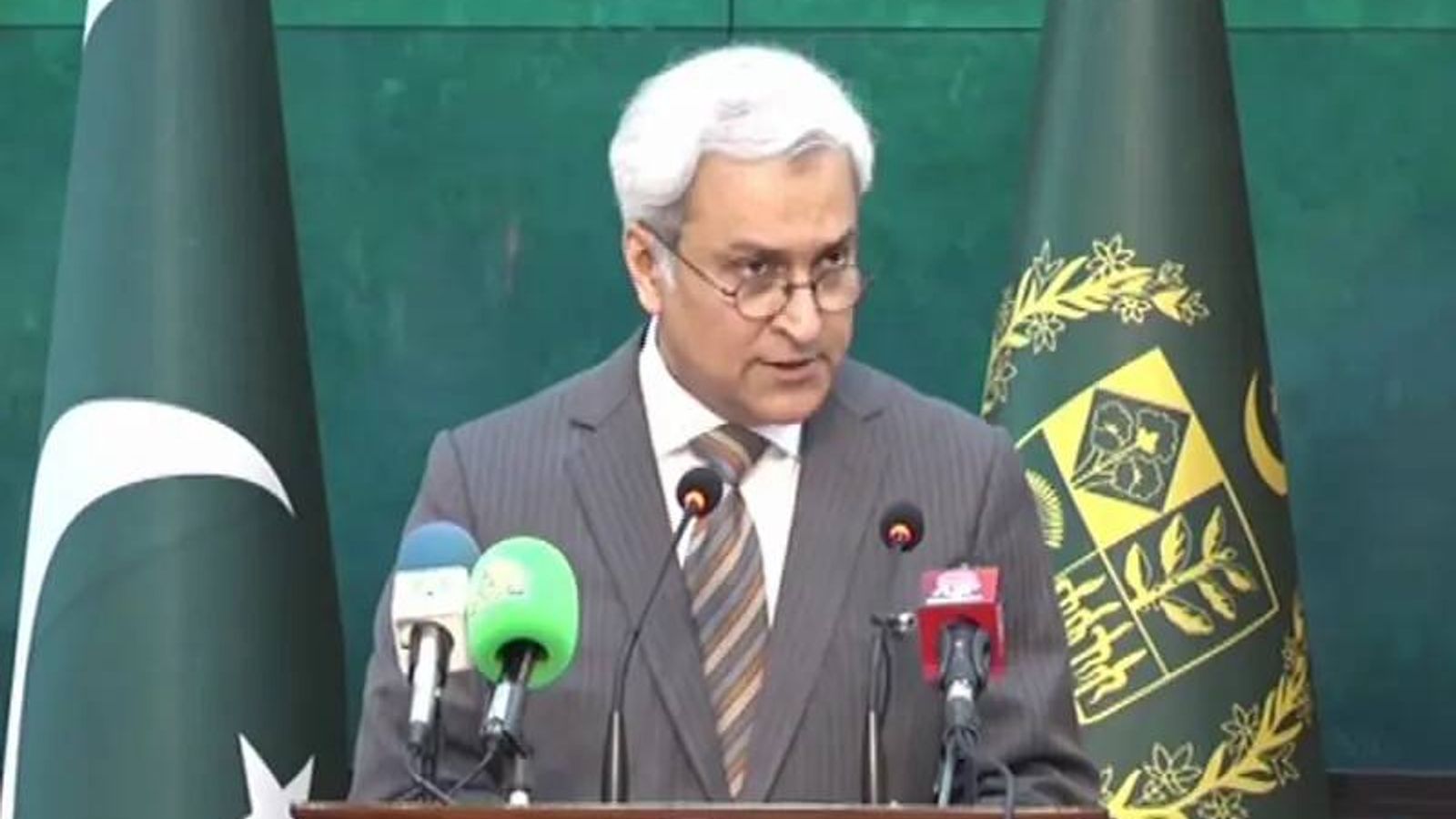
Pakistan's Foreign Ministry spokesperson Tahir Andrabi stated on Thursday that Islamabad has not closed the doors of diplomacy with the Taliban and is not seeking war, but has urged the Taliban to take "decisive actions" against terrorist groups operating from Afghan soil.
Andrabi, speaking at a news conference in Islamabad, emphasized that "diplomacy continues even during wars and conflicts." He expressed Pakistan's wishes for "peace and prosperity" for "Afghan brothers and sisters."
Andrabi referenced a recent UN Security Council report, saying it supports Pakistan's position on the Tehrik-i-Taliban Pakistan (TTP). The report states that the Taliban continue to provide a permissive environment for terrorist groups, particularly TTP and Al-Qaeda, granting TTP greater operational freedom and support, which has led to increased attacks against Pakistan and heightened regional tensions.
The UN Monitoring Team on sanctions notes that TTP attacks from Afghan soil have become more complex, involving larger numbers of fighters and advanced weaponry such as assault rifles, night-vision devices, thermal imaging systems, sniper systems, and drone attack systems. Much of this equipment, along with weapon permits and travel documents, was provided by Taliban officials.
The report also mentions the Al-Qaeda Indian subcontinent branch remaining in southeastern Afghanistan under Haqqani network influence, with its leader Osama Mahmoud and deputy Yahya Gori in Kabul and a media unit in Herat. ISIS-Khorasan maintains significant operational capacity in northern Afghanistan, especially Badakhshan near the Pakistan border. The East Turkestan Islamic Movement is concentrated in Badakhshan, funded by poppy cultivation and mining, with about 250 members joining Taliban police in 2025. Concerns exist over foreign fighter training camps in Badakhshan.
No UN Security Council member supports the Taliban's claim of no terrorists on Afghan soil.
In response, Abdul Salam Hanafi, Taliban deputy prime minister for administration, stated on Thursday that no group uses Afghan territory against other countries. The Taliban have not reacted to the UN report.
Read the original reporting at Hasht-e Subh →
Reliability assessment
Key facts about named Foreign Ministry spokesperson Tahir Andrabi's statements at a press conference in Islamabad are corroborated by multiple independent Afghan outlets (Hasht-e Subh, ToloNews, Ariana News, Amu TV).
Across the newsrooms
Filed by 4 outlets
Hasht-e Subh
Originating
ToloNews
Ariana News
Amu TV
Filed under
International — Pakistan, Taliban, TTP, UN Security Council, Diplomacy
Reader supported
Keep Ehtebar running
Every published story uses paid tools to translate reporting, compare sources, extract claims, and produce a clearer read on Afghanistan. Reader support helps keep that work independent.
€5
helps cover daily verification runs
€15
supports a week of source comparison
€50
keeps independent analysis moving