INTERNATIONAL — February 23, 2026
Palestinian Expert: Israeli Authorities Impose Unprecedented Restrictions on Muslim Access to Al-Aqsa Mosque
A Palestinian expert accused Israeli authorities of imposing unprecedented restrictions on Muslim access to Al-Aqsa Mosque to alter its administration and reduce worshippers. He urged unified action to preserve Islamic management amid warnings of potential status quo changes.
The Ehtebar Desk — originates with Bakhtar News — 2 min read
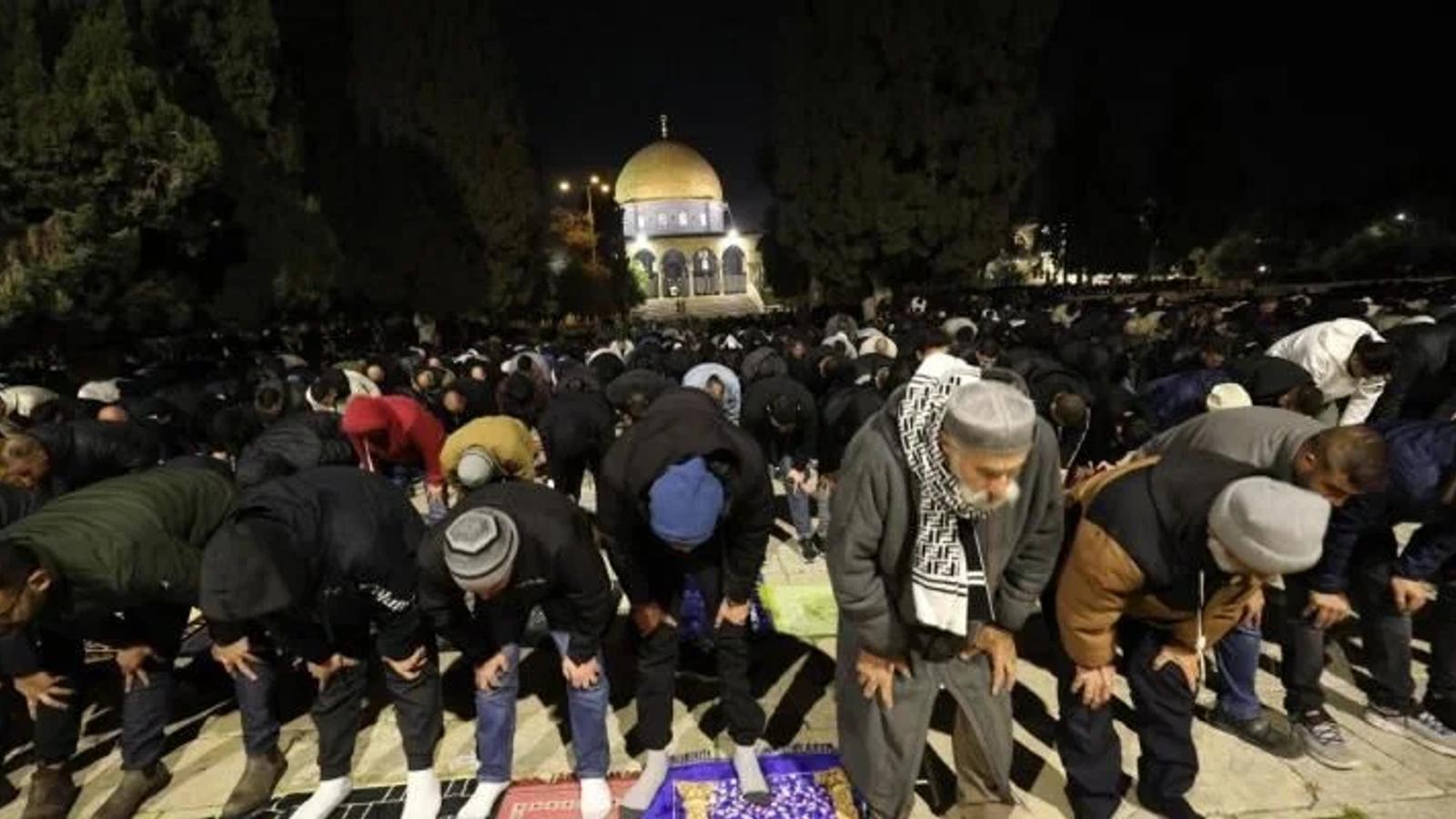
Abdullah Ma'arouf, a Palestinian expert on Jerusalem affairs, stated that Israeli occupation authorities have recently imposed unprecedented restrictions on Muslims' access to Al-Aqsa Mosque.
According to reports from Iran's IRNA news agency and Shehab News Agency, Ma'arouf said the measures aim to minimize the number of worshippers, facilitate a plan to alter the status quo at the mosque, eliminate Islamic management, and limit anticipated reactions.
He explained that Israel's restrictions on worshippers, including expanding bans and reducing the number of permitted entrants from the local population, are part of efforts to change the administrative landscape inside Al-Aqsa. The primary goal, he emphasized, is to establish Israel as the governing authority and dominant force in the mosque's management, positioning occupation officials as the sole administrative reference.
Ma'arouf noted that current developments echo attempts by Israeli authorities after 1967 to place Al-Aqsa under the supervision of Israel's Ministry of Religious Affairs. That plan failed due to strong resistance from Jerusalem residents, particularly religious scholars and authorities who refused to pray under occupation management and established the Supreme Islamic Council as a permanent Islamic reference for Muslims in Jerusalem. This forced the occupiers to retreat and return administration to the Islamic Waqf.
He warned that continuing these restrictions without effective practical action could open the door to fundamental administrative changes affecting the mosque's identity and management. Ma'arouf cautioned that silence or mere condemnation statements would give occupiers more space to impose new realities.
The expert called for intensified official and popular actions to counter Israel's moves at Al-Aqsa, stressing that occupiers are unaffected by verbal reactions without field actions, real political, or legal pressure. Preserving the status quo requires unified positions and coordinated roles among religious authorities, political leaders, and Jerusalem society, as any administrative change could directly impact the management of one of Islam's holiest sites.
Read the original reporting at Bakhtar News →
Reliability assessment
Single source with second-hand attribution to a named expert via other media outlets (IRNA and Shehab); underlying restrictions event lacks independent corroboration and pertains to a volatile, high-stakes location.
The source language mixes facts with framing or advocacy wording. Phrases like 'رژیم اسرائیل' ('Israeli regime'), 'مقامات اشغالگر' ('occupation authorities'), and 'بیسابقه' ('unprecedented') frame Israel negatively with pejorative and hyperbolic language implying illegitimacy and extremity.
Across the newsrooms
Filed by
Bakhtar News
Originating
Filed under
International — Al-Aqsa Mosque, Israel, Palestine, Abdullah Ma'arouf, Jerusalem
Reader supported
Keep Ehtebar running
Every published story uses paid tools to translate reporting, compare sources, extract claims, and produce a clearer read on Afghanistan. Reader support helps keep that work independent.
€5
helps cover daily verification runs
€15
supports a week of source comparison
€50
keeps independent analysis moving