
SOCIETY — March 10, 2026
Patriarchal Society Treats Land and Women as Commodities, Hasht-e Subh Argues
Hasht-e Subh publishes commentary on International Women's Day linking patriarchal oppression of women to environmental exploitation in Afghanistan, where women manage resources like water and soil but lack decision-making power amid crises.
The Ehtebar Desk — originates with Hasht-e Subh — 2 min read
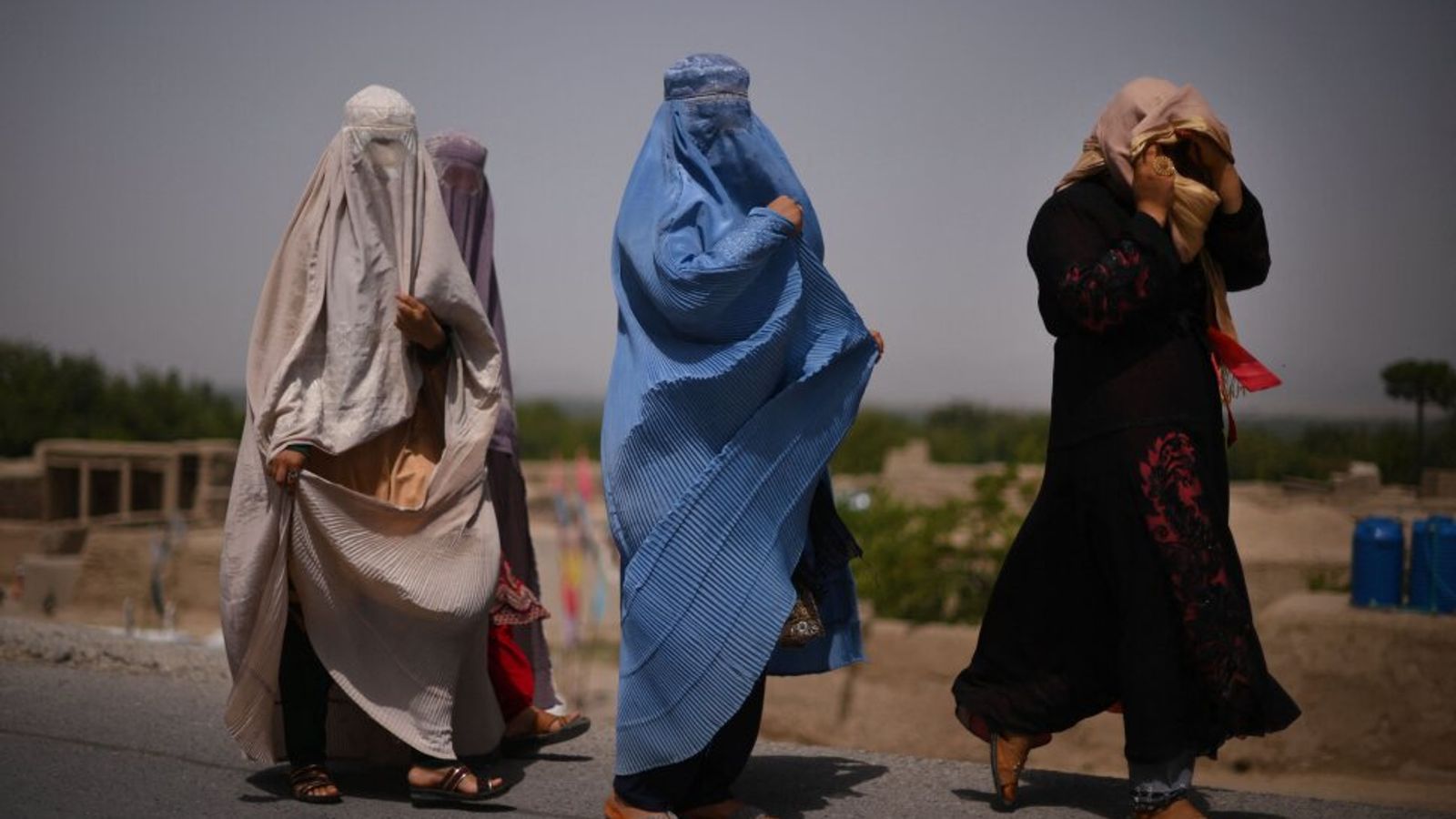
An article published by Hasht-e Subh on International Women's Day, marked on March 8, examines links between the suppression of women and environmental degradation in patriarchal societies. It argues that in such systems, both women and natural resources like land, water, forests, and air are treated as commodities for exploitation, without recognition of rights to decision-making, ownership, or protection.
The piece focuses on Afghanistan, where women are excluded from many social and political spheres amid environmental crises including water shortages, soil erosion, air pollution, poor waste management, and natural resource depletion. Women, described as bearing the brunt of these issues, play key roles in household water management, fetching water from distant sources in rural areas, cooking, cleaning, and small-scale irrigation.
Despite their close involvement with water, decision-making on resource management remains dominated by men, limiting women's influence on policies. Reduced access to clean water threatens food production and family food security, while contaminated water causes health issues disproportionately affecting women and children. Social spaces around water sources have diminished due to insecurity, poverty, and restrictions.
On soil, the article states that rural women preserve seeds, apply traditional farming knowledge, and maintain ecological balance, but development policies involving overuse, chemicals, and deforestation have led to crises. In Afghanistan, drought and climate change have turned fertile lands semi-arid, impacting women reliant on agriculture. Cultural traditions symbolize both women and earth as fertility and nurturing, though these are sometimes used for control.
Air pollution from poor fuels, old vehicles, and industry affects cities, with women facing greater exposure due to childcare and cooking with polluting fuels, leading to respiratory diseases, asthma, and heart issues. Severe pollution limits outdoor activities, confining women further. The text also mentions multiple pollutions—chemical, noise, light, biological—threatening women's reproductive health and social life.
Read the original reporting at Hasht-e Subh →
Reliability assessment
Single-source opinion piece with general claims about societal structures and environmental issues lacking specific attributions, named officials, locations, times, or checkable details; linkages are analytical rather than event-based reporting.
The source language mixes facts with framing or advocacy wording. Phrases like 'women and nature... seen as resources for exploitation' and 'suppression of women and destruction of environment' frame issues with advocacy-oriented emotional loading, equating social discrimination with ecological harm in a patriarchal critique.
Across the newsrooms
Filed by
Hasht-e Subh
Originating
Filed under
Society — Women, Environment, Patriarchy, Afghanistan, International Women's Day
Reader supported
Keep Ehtebar running
Every published story uses paid tools to translate reporting, compare sources, extract claims, and produce a clearer read on Afghanistan. Reader support helps keep that work independent.
€5
helps cover daily verification runs
€15
supports a week of source comparison
€50
keeps independent analysis moving
More in Society
Health Officials and Experts Discuss Rise in Black Jaundice Cases in Afghanistan
— Reliable
Discussion on Agricultural Products and Health Services in Samangan Province
— Reliable
WHO Report Cites Taliban Restrictions and Funding Shortfalls as Threats to Health Services in Afghanistan
— Reliable
Afghan officials report returns of families from Pakistan and Iran alongside releases from Pakistani prisons
— Reliable