
SOCIETY — April 19, 2026
Public Health Minister Emphasizes Self-Sufficiency and Improvement of Health Services
Noor Jalal Jalali, Minister of Public Health of the Islamic Emirate of Afghanistan, criticized budget mismanagement in provincial hospitals and called for self-sufficiency during a four-day meeting in Kabul with UNICEF and WHO. The event also addressed past achievements, current challenges and polio eradication efforts, with global cases reported at 56 in 2025, mostly in Afghanistan and Pakistan.
The Ehtebar Desk — originates with ToloNews — 2 min read
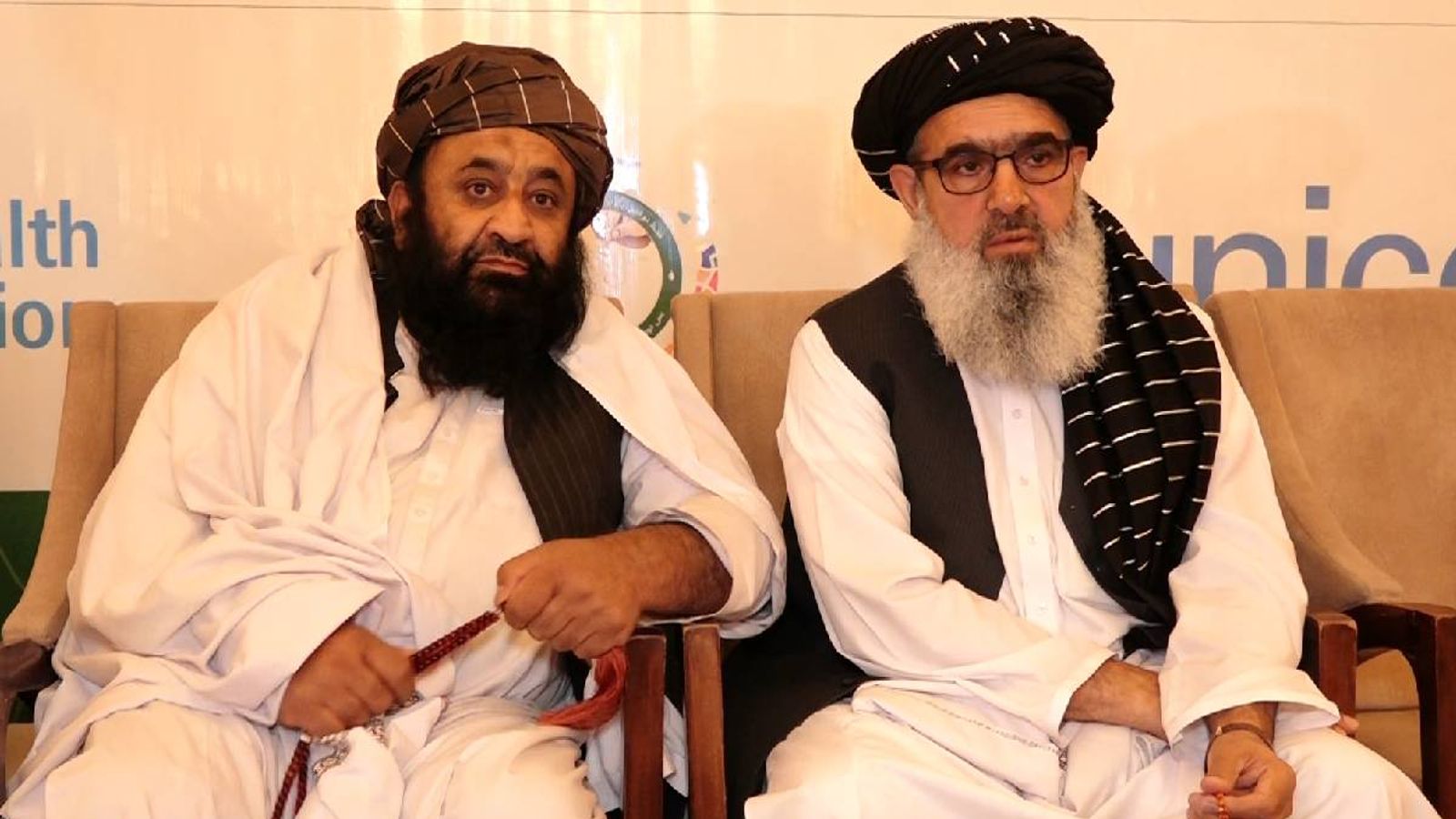
Kabul – Noor Jalal Jalali, Minister of Public Health of the Islamic Emirate of Afghanistan, has criticized budget mismanagement in some provincial hospitals and stressed the importance of achieving self-sufficiency in the health system.
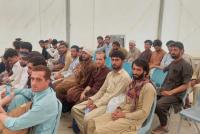
Jalali made the comments during a four-day coordination and capacity-building meeting in Kabul that brought together provincial health officials, UNICEF and the World Health Organization. The sessions focused on health challenges, potential solutions, past achievements and future programs.
The minister highlighted cases of inefficient spending, noting that over 150 million afghanis were returned in a southern province while hospitals lacked basic supplies such as screws. He assured that the ministry is pursuing self-sufficiency, including reliable availability of medicines and equipment, and will provide special allocations for deprived provinces. Jalali warned that contracts with negligent institutions would be canceled.
Deputy Minister for Health Services Provision Abdul Wali Haqani said the meeting would review achievements of the past five years, evaluate ongoing work and future programs, and assess conditions in each province in order to improve health services.
UNICEF Representative Tajuddin Eiwali welcomed the ministry's national health program announcement while observing that international financial support for the health sector is declining due to other global priorities.
World Health Organization Representative Khushhal Zaman reported that global polio cases had decreased significantly to 56 in 2025, the majority of them in Afghanistan and Pakistan. He credited joint partnership efforts for the progress and cautioned that halting the eradication program could result in at least 30 million children being paralyzed.
Jalali called for additional health facilities across the country and urged citizens to cooperate in polio eradication. The gathering allowed participants to discuss current obstacles in health service delivery and map out concrete steps forward.
Read the original reporting at ToloNews →
Reliability assessment
Single source (ToloNews) provides direct on-record attribution with named officials (Minister Noor Jalal Jalali, Deputy Minister Abdul Wali Haqani, UNICEF Rep Tajuddin Eiwali, WHO Rep Khushhal Zaman), specific quotes, concrete details (budget figure of 150 million afghanis, 56 polio cases in 2025, meeting duration and location). Verifiable that these statements were made at the described event.
The source language reads straight.
Independent web corroboration
An independent web search turned up no separate corroborating reports. Treat the account as single-sourced until more outlets pick it up.
Across the newsrooms
Filed by
ToloNews
Originating
Reported straight
Reported straight
Filed under
Society — Public Health, Polio Eradication, Noor Jalal Jalali, Health Services, Ministry of Public Health
Reader supported
Keep Ehtebar running
Every published story uses paid tools to translate reporting, compare sources, extract claims, and produce a clearer read on Afghanistan. Reader support helps keep that work independent.
€5
helps cover daily verification runs
€15
supports a week of source comparison
€50
keeps independent analysis moving
More in Society
Health Officials and Experts Discuss Rise in Black Jaundice Cases in Afghanistan
— Reliable
Discussion on Agricultural Products and Health Services in Samangan Province
— Reliable
WHO Report Cites Taliban Restrictions and Funding Shortfalls as Threats to Health Services in Afghanistan
— Reliable
Afghan officials report returns of families from Pakistan and Iran alongside releases from Pakistani prisons
— Reliable