INTERNATIONAL — May 9, 2026
Qatar Urges US to Resolve Status of Afghan Migrants at Doha Camp by September 2026
Qatar has urged the United States to resolve the status of over 1,100 Afghan migrants at a Doha-area transit camp by September 2026, amid congressional opposition to a proposed relocation to the Republic of Congo.
The Ehtebar Desk — originates with Hasht-e Subh — corroborated by Afghanistan International, ToloNews, Khaama Press and 1 more — 2 min read
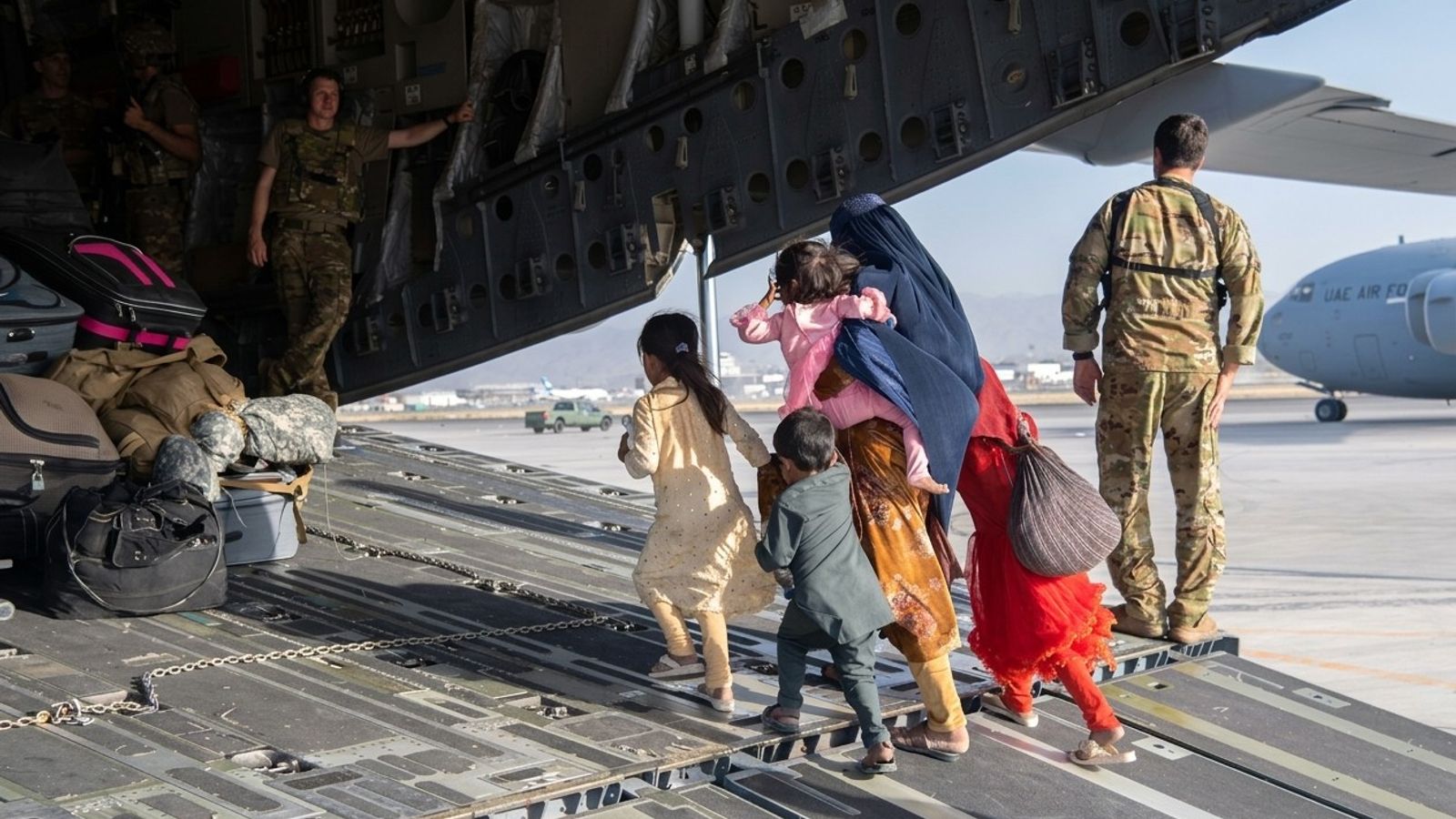
Qatar has formally requested that the United States determine the future of approximately 1,100 Afghan migrants currently housed at the Al-Siliya transit camp near Doha by September 2026. The facility was established as a temporary processing center following the August 2021 US military withdrawal and the subsequent takeover by the Taliban. Under a prior diplomatic agreement, Qatar’s hosting arrangement for the evacuees was intended to be strictly temporary.
The request follows reports that the Trump administration has explored relocating the group to the Republic of Congo. Amu TV reported that Washington was actively negotiating the transfer, while Khaama Press described the proposal as under exploration and Hasht-e Subh stated it had been announced. The potential third-country relocation has drawn sharp criticism from several US lawmakers. Senator Jean Shaheen, alongside colleagues including Tammy Duckworth, Tim Kaine, Ed Markey, and Frank Lautenberg, have publicly opposed the plan, warning that moving the migrants outside the United States could expose them to retaliation. They have urged the administration to facilitate their resettlement on American soil instead.
Qatar has pressed Washington for a swift resolution, emphasizing that the deadline for finalizing the migrants’ status falls in late September 2026. Amu TV specified September 29 as the exact cutoff, whereas other reports cited a broader late-September timeframe. The US government has not yet issued a formal response to Qatar’s request or confirmed the final destination for the group.
Read the original reporting at Hasht-e Subh →
Reliability assessment
The report is corroborated by five independent news outlets, including ToloNews and Khaama Press.
The source language reads straight.
Across the newsrooms
Where reports agree
- Qatar is pressing the US to resolve the status of over 1,100 Afghan migrants at the Doha-area camp by late September 2026.
- The migrants are US-allied Afghans evacuated after the 2021 Taliban takeover.
- Reports indicate the Trump administration is considering relocating them to the Republic of Congo.
- US senators have opposed the third-country relocation plan and urged US resettlement.
- The hosting arrangement is explicitly temporary under a prior US-Qatar diplomatic agreement.
Where reports differ
- Exact deadline for relocation: Amu TV specifies September 29, 2026, while Hasht-e Subh and Khaama Press state late September or September 2026 generally.
- Camp name transliteration: Al-Silayeh (Amu TV) vs. Al-Siliya (Hasht-e Subh, Khaama Press).
- Status of the Congo plan: described as 'negotiating to move' (Amu TV), 'announced a plan' (Hasht-e Subh), or 'explored relocating' (Khaama Press).
- Specific senators named: Amu TV lists Duckworth, Kaine, Markey, and Lautenberg; Hasht-e Subh focuses on Jean Shaheen; Khaama Press refers to 'several senators' generally.
Filed by 5 outlets
Hasht-e Subh
Originating
Reported straight
Reported straight
Afghanistan International
Reported straight
Reported straight
ToloNews
Reported straight
Reported straight
Khaama Press
Reported straight
Reported straight
Amu TV
Reported straight
Reported straight
Filed under
International — Al-Siliya Camp, Qatar, United States, Afghan Refugees, US Senate
Reader supported
Keep Ehtebar running
Every published story uses paid tools to translate reporting, compare sources, extract claims, and produce a clearer read on Afghanistan. Reader support helps keep that work independent.
€5
helps cover daily verification runs
€15
supports a week of source comparison
€50
keeps independent analysis moving