
SOCIETY — April 20, 2026
Religious Scholars Attend Climate Change Workshop in Kabul
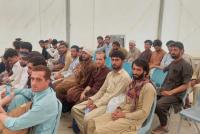
The National Environmental Protection Agency and the Raha Institute co-hosted a workshop in Kabul to train religious scholars on climate change and environmental conservation. Officials urged religious leaders to use mosque platforms to promote sustainable practices and raise public awareness about ecological challenges.
The Ehtebar Desk — originates with RTA — 2 min read
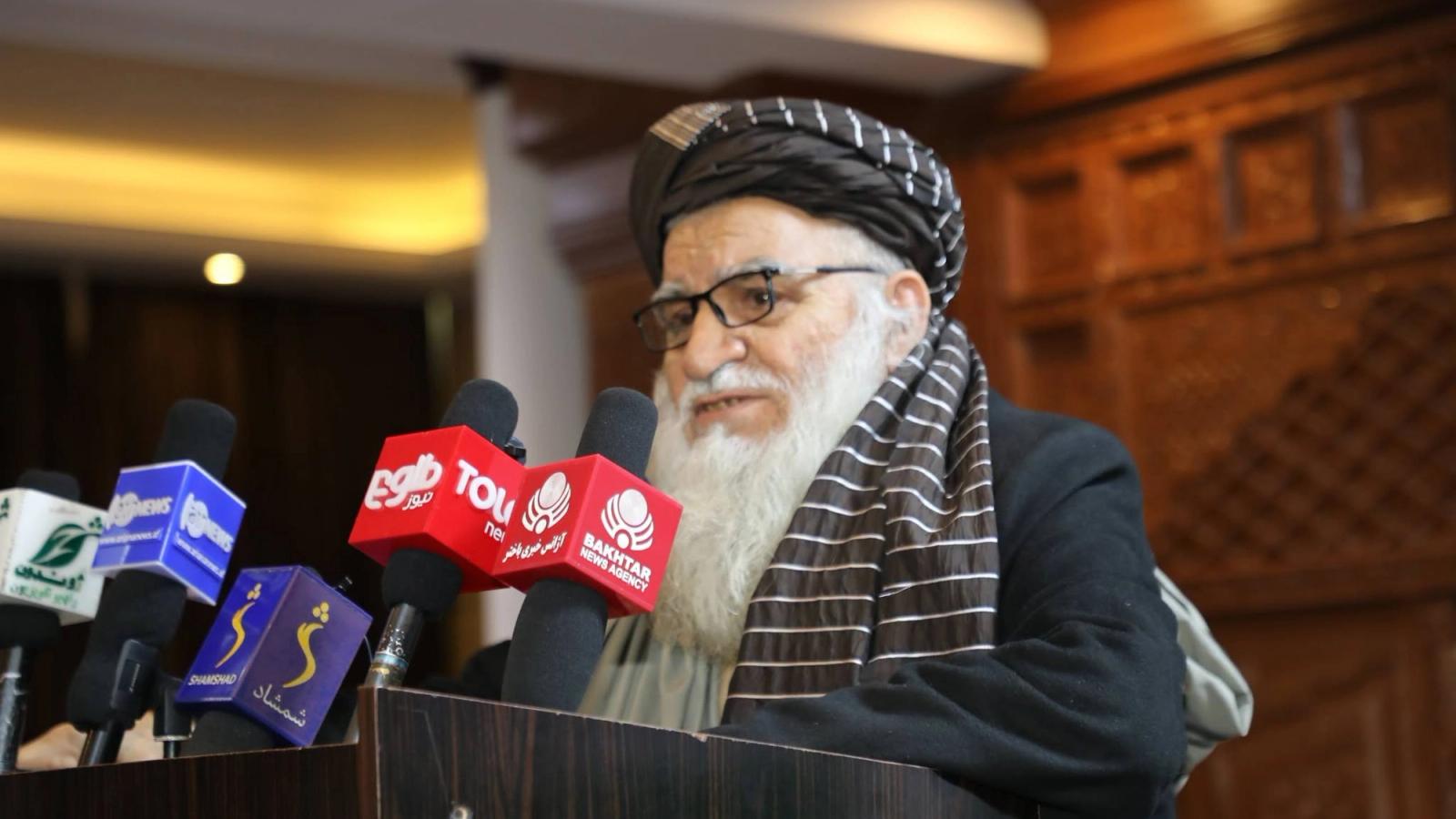
Religious scholars gathered in Kabul for a workshop focused on climate change and environmental conservation, co-hosted by the National Environmental Protection Agency and the Raha Institute. The event aimed to equip religious leaders with information on ecological challenges and explore ways to integrate environmental stewardship into community outreach.
Mawlawi Mutiullah Khalis, Director General of the National Environmental Protection Agency, outlined the primary environmental threats facing the country. He identified prolonged droughts, seasonal flooding, water scarcity, deteriorating air quality, and widespread land degradation as critical issues requiring immediate attention. Khalis emphasized that religious leaders hold significant influence and urged them to utilize mosque platforms to advocate for sustainable practices. He specifically called on scholars to promote water conservation, forest preservation, and nationwide tree-planting initiatives during Friday sermons and community gatherings.
Engineer Ezzatullah Sediqi, Deputy of the Raha Institute, highlighted the potential of integrating faith-based messaging with ecological education. He noted that established religious teachings provide a strong foundation for raising public awareness about the long-term consequences of climate change. By framing environmental protection within familiar moral and spiritual contexts, organizers hope to encourage broader community participation in conservation efforts.
The workshop provided a forum for dialogue between environmental experts and religious figures, focusing on practical strategies to mitigate ecological damage. Participants discussed methods to translate scientific data into accessible guidance for local populations, with the goal of fostering a culture of environmental responsibility across the country.
Read the original reporting at RTA →
Reliability assessment
Single source provides direct, on-record attribution with concrete, checkable details, including named officials (Mawlawi Mutiullah Khalis, Engineer Ezzatullah Sediqi), specific organizations, location, and workshop agenda. No conflicting reports exist.
The source language reads straight.
Across the newsrooms
Filed by
RTA
Originating
Reported straight
Reported straight
Filed under
Society — National Environmental Protection Agency, Raha Institute, Climate Change, Religious Scholars, Kabul
Reader supported
Keep Ehtebar running
Every published story uses paid tools to translate reporting, compare sources, extract claims, and produce a clearer read on Afghanistan. Reader support helps keep that work independent.
€5
helps cover daily verification runs
€15
supports a week of source comparison
€50
keeps independent analysis moving
More in Society
Health Officials and Experts Discuss Rise in Black Jaundice Cases in Afghanistan
— Reliable
Discussion on Agricultural Products and Health Services in Samangan Province
— Reliable
WHO Report Cites Taliban Restrictions and Funding Shortfalls as Threats to Health Services in Afghanistan
— Reliable
Afghan officials report returns of families from Pakistan and Iran alongside releases from Pakistani prisons
— Reliable