INTERNATIONAL — February 25, 2026
Russia Marks Soviet Withdrawal from Afghanistan More Prominently This Year Amid Ukraine War
Russia observed the anniversary of the 1989 Soviet troop withdrawal from Afghanistan with greater prominence this year, amid the Ukraine war and efforts to reframe historical narratives. The analysis links this to bolstering domestic morale, countering Western narratives, and drawing parallels between past and present conflicts.
The Ehtebar Desk — originates with Amu TV — 2 min read
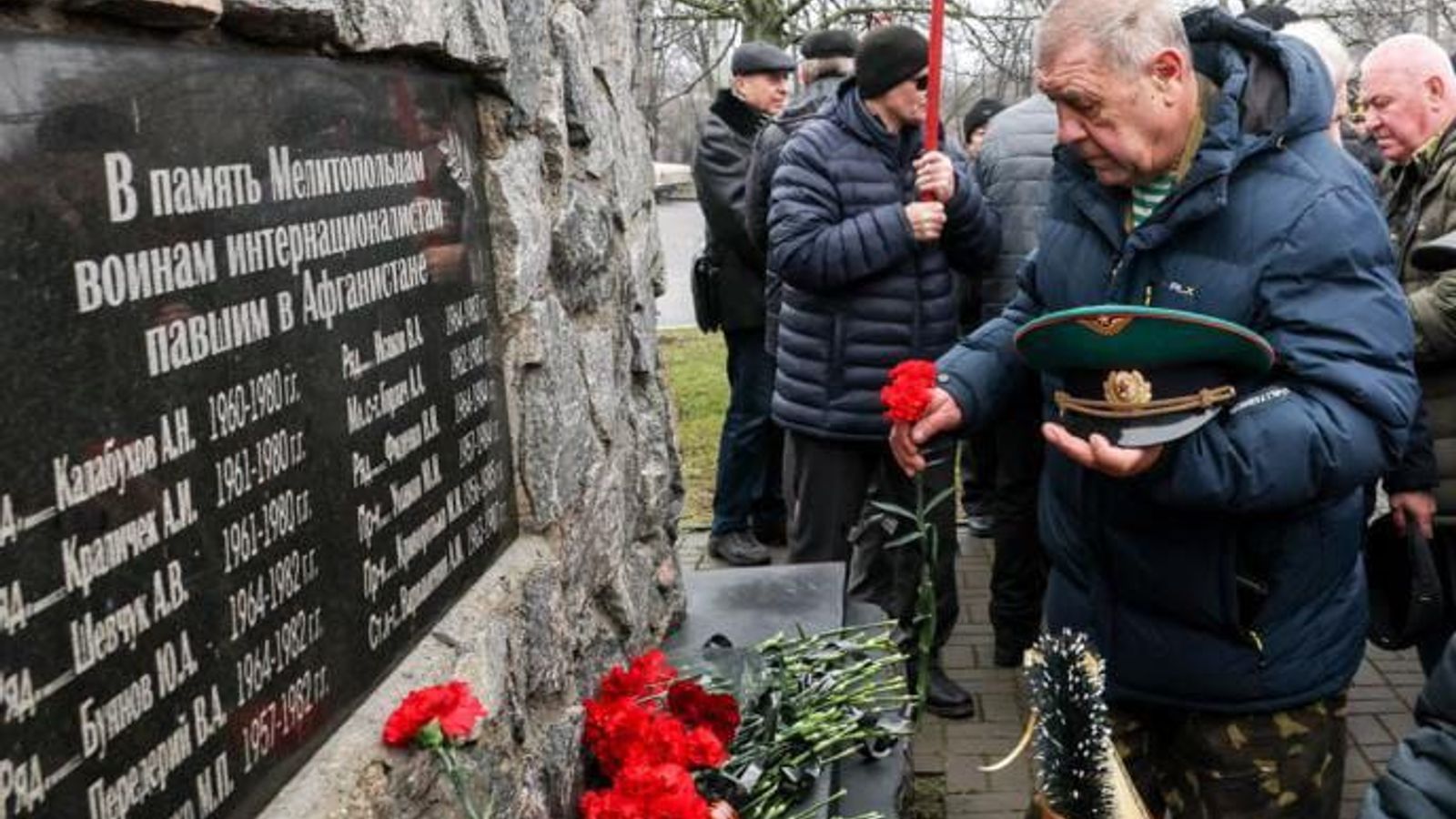
February 15 marks the anniversary of the Soviet Union's withdrawal of troops from Afghanistan in 1989, observed in Russia as the 'Day of Remembrance for Heroic Soldiers Outside Borders.' In past decades, the occasion focused more on honoring the fallen, but this year it received unusual prominence. The analysis attributes this to three main factors: the protracted Ukraine war, heightened confrontation with the West, and redefining the historical narrative of the Afghan war.
First, the Ukraine conflict, ongoing since February 2022, has imposed heavy human and financial costs on Russia. Western and independent estimates place Russian casualties over 300,000, with limited official figures from Moscow. Russia's 2024 budget allocates over 6% of GDP to defense, the highest since the Soviet collapse. Highlighting February 15 symbolically links the current war to a tradition of military sacrifice abroad, portraying soldiers as defenders of national security rather than participants in a costly conflict. Unlike initial expectations of a quick victory in Kyiv, the war has reached a relative stalemate, prompting a shift to narratives of endurance, with the Afghan withdrawal framed as part of Russia's resilient military history.
Second, intensified Western sanctions since the Ukraine invasion target banking, energy, technology, and military sectors. Despite economic resilience through energy exports and Asian markets, long-term costs persist. Moscow frames the current standoff as a continuation of historical rivalry with the West, reinterpreting the Soviet Afghan intervention—not as a failed occupation but as geopolitical competition with the United States, which backed Afghan mujahideen. Parallels are drawn to NATO's support for Ukraine.
Third, following NATO's 2021 withdrawal and the Taliban's return to power, Russian media have depicted it as a failure akin to the Soviet experience, citing complex social and geographic realities in Afghanistan. Russia portrays its 1979-1989 presence as an international duty requested by Kabul's government, contrasting it with NATO's 'interventionist' role. The Soviet war resulted in about 15,000 dead and over 50,000 wounded, contributing to the USSR's internal legitimacy crisis and eventual collapse. This year's emphasis on February 15 serves to rewrite historical memory, moving away from viewing the Afghan war as a strategic mistake.
Read the original reporting at Amu TV →
Reliability assessment
Single analytical source with no direct attribution, named officials, or checkable details on the claimed 'unprecedented prominence' of this year's commemoration; reasons provided are interpretive and speculative.
The source language mixes facts with framing or advocacy wording. Phrases like 'shadow of the Ukraine war' (سایه جنگ اوکراین), 'unprecedented prominence' (برجستگی کمسابقه), and 'political and propagandistic weight' (وزن سیاسی و تبلیغاتی) introduce interpretive framing and mild emotional loading to Russian motivations.
Across the newsrooms
Filed by
Amu TV
Originating
Filed under
International — Russia, Ukraine, Soviet-Afghan War, February 15, Taliban
Reader supported
Keep Ehtebar running
Every published story uses paid tools to translate reporting, compare sources, extract claims, and produce a clearer read on Afghanistan. Reader support helps keep that work independent.
€5
helps cover daily verification runs
€15
supports a week of source comparison
€50
keeps independent analysis moving