
SOCIETY — March 11, 2026
Statement from 69th Anti-Narcotics Commission Meeting Cites Rise in Women's Drug Addiction in Afghanistan
The 69th meeting of the UN Commission on Narcotic Drugs stated that drug addiction among Afghan women has risen to nearly 1 million amid Taliban restrictions, citing UNODC data, and warned against illegal natural resource extraction.
The Ehtebar Desk — originates with Hasht-e Subh — corroborated by Khaama Press — 2 min read
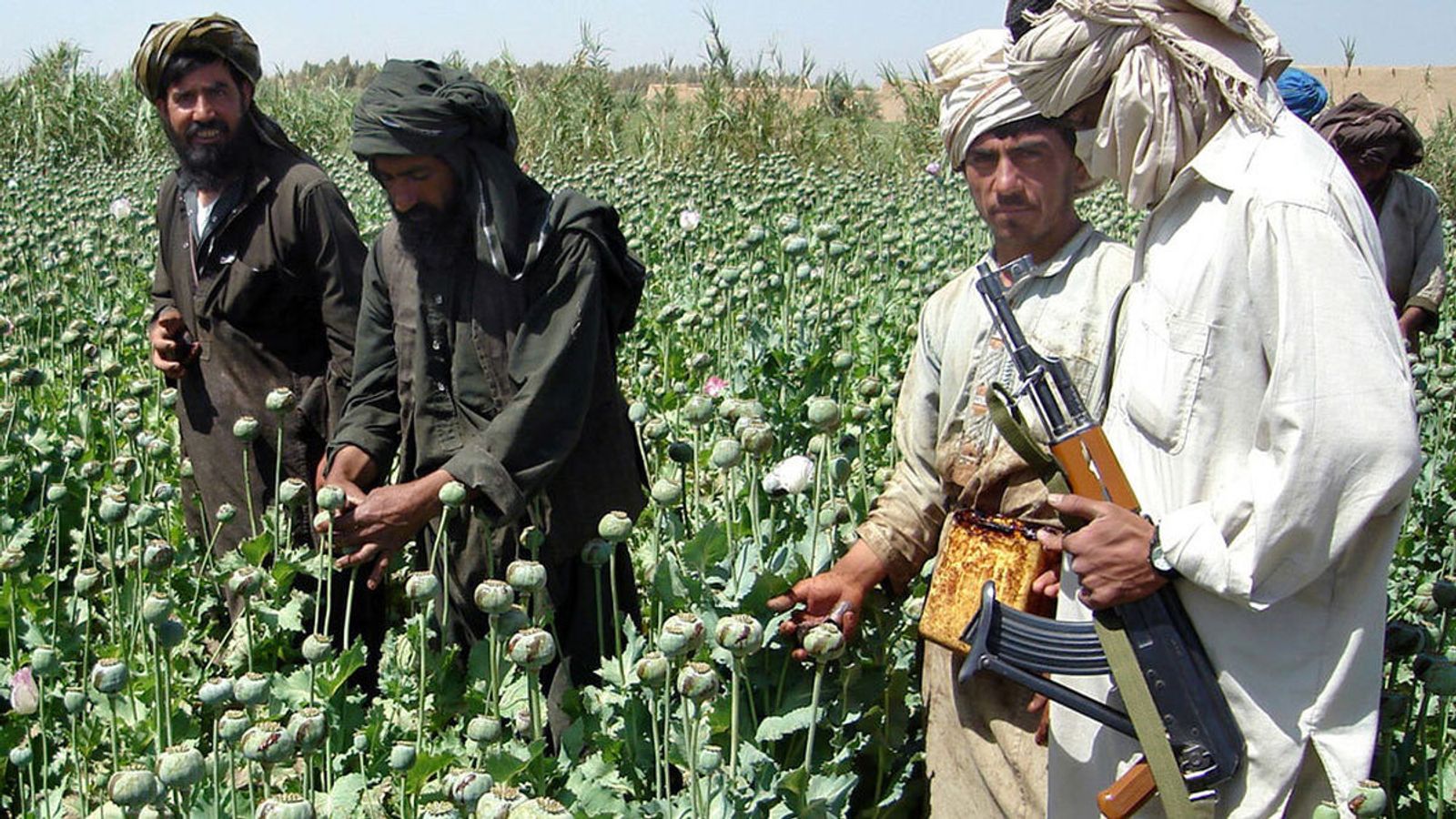
A statement issued at the 69th meeting of the Commission on Narcotic Drugs (CND) in Vienna on Tuesday, March 19, highlighted concerns over the drug crisis and women's addiction in Afghanistan following the Taliban's takeover.
The statement noted that the Taliban's restrictions on women's education and employment are negatively impacting social resilience and anti-drug efforts. According to assessments by the UN Office on Drugs and Crime (UNODC), the number of drug addicts in the country stands at approximately 3 to 3.6 million, with nearly 1 million being women.
The most commonly used substances include opium, heroin, hashish and sedatives, with women's addiction often affecting entire families, the statement said.
It also warned of widespread illegal extraction of natural resources, describing it as a factor contributing to environmental destruction and the exacerbation of people's suffering.
The CND statement urged the international community to avoid legitimizing the Taliban's performative actions and to ensure humanitarian aid reaches the Afghan people directly, without bolstering illegal or repressive structures.
Read the original reporting at Hasht-e Subh →
Reliability assessment
Two independent Afghan outlets (Hasht-e Subh, Khaama Press) corroborate the issuance of a statement at the 69th UN Commission on Narcotic Drugs meeting in Vienna on March 19, citing UNODC data on nearly 1 million Afghan women addicted to drugs amid Taliban restrictions.
The source language mixes facts with framing or advocacy wording. Phrases like 'performative actions' of the Taliban and 'illegal or repressive structures' introduce opinionated framing and mild advocacy.
Across the newsrooms
Filed by 2 outlets
Hasht-e Subh
Originating
Khaama Press
Filed under
Society — Taliban, CND, UNODC, women's addiction, drugs
Reader supported
Keep Ehtebar running
Every published story uses paid tools to translate reporting, compare sources, extract claims, and produce a clearer read on Afghanistan. Reader support helps keep that work independent.
€5
helps cover daily verification runs
€15
supports a week of source comparison
€50
keeps independent analysis moving
More in Society
Health Officials and Experts Discuss Rise in Black Jaundice Cases in Afghanistan
— Reliable
Discussion on Agricultural Products and Health Services in Samangan Province
— Reliable
WHO Report Cites Taliban Restrictions and Funding Shortfalls as Threats to Health Services in Afghanistan
— Reliable
Afghan officials report returns of families from Pakistan and Iran alongside releases from Pakistani prisons
— Reliable