
POLITICS — May 13, 2026
Taliban Enact Law for Sale and Distribution of State Land Plots
The Taliban Ministry of Justice has enacted a law allowing the sale of state-owned land plots to current residents, while prohibiting sales to those designated as "usurpers."
The Ehtebar Desk — originates with ToloNews — corroborated by Hasht-e Subh and Afghanistan International — 2 min read
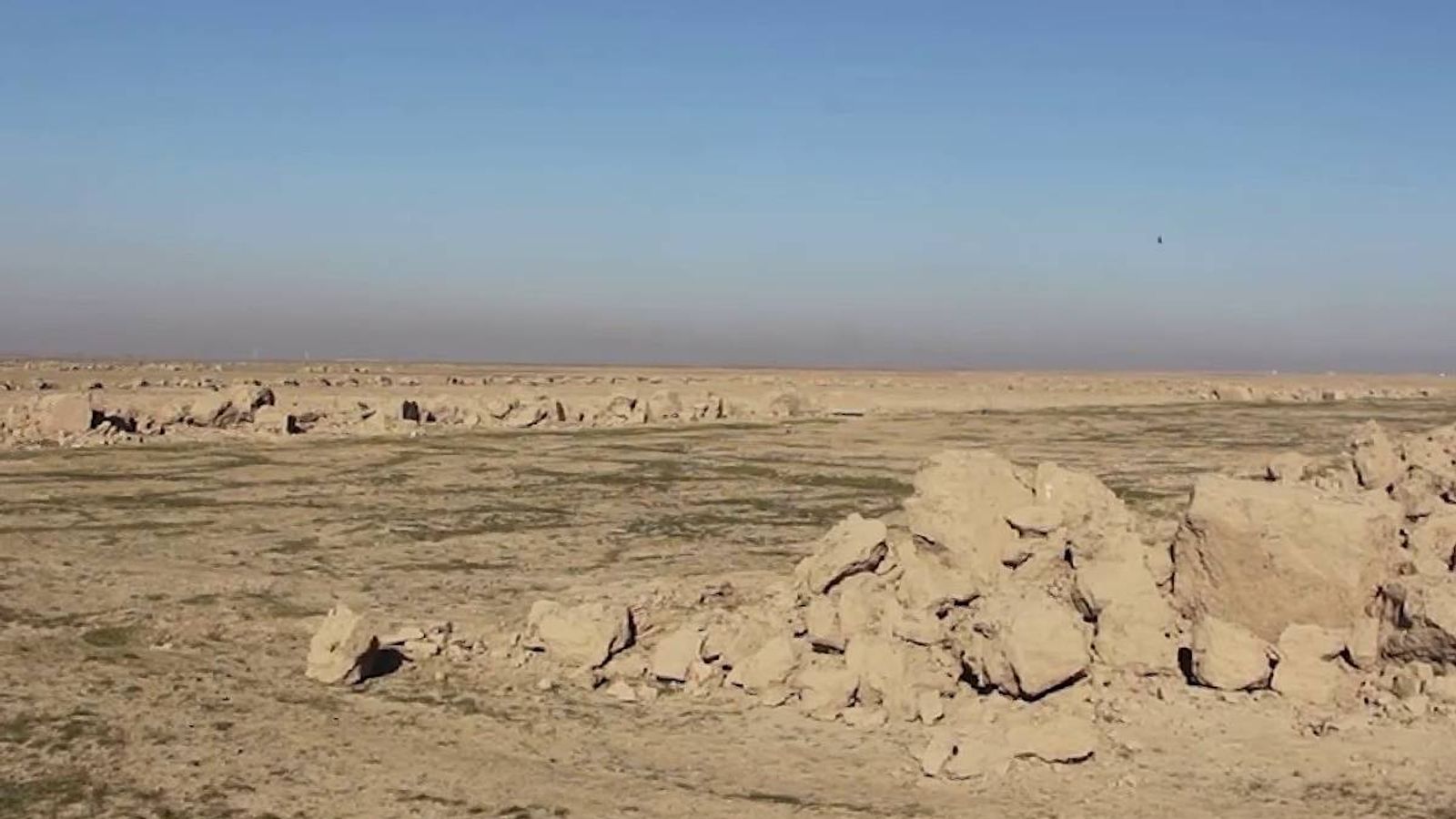
The Taliban Ministry of Justice has published the "Law on the Sale and Distribution of Emirate Land Plots and Granting of Construction Permits" in the official gazette. Barakatullah Rasouli, spokesperson for the Ministry of Justice, stated that the law consists of 38 articles.
The legislation establishes a framework for the sale and distribution of state-owned land plots and the issuance of building permits. The law will be implemented by the Ministry of Urban Development and Housing, municipalities, and the land department of the Ministry of Agriculture, Irrigation, and Livestock.
Under the new law, the administration can sell state or "Emirate" land plots to current residents or occupants. Land prices are determined based on regulations approved by the administration.
The law prohibits the sale of state lands to individuals identified by the court as "usurpers." There are also limits on the number of plots an individual can own to remain eligible for land distribution; Afghanistan International and ToloNews report a limit of four residential plots, while Hasht-e Subh states the limit is one.
Additionally, ownership rights may be revoked if the buyer fails to begin construction within three years or misses payment deadlines, which are set between three and six months.
Read the original reporting at ToloNews →
Reliability assessment
The core event—the publication of the land law—is corroborated by three independent outlets. ToloNews provides direct attribution to a named official, Barakatullah Rasouli, spokesperson for the Ministry of Justice. While there are minor discrepancies regarding plot limits and chapter counts, the existence and general purpose of the law are consistently reported.
The source language mixes facts with framing or advocacy wording. Afghanistan International: The author uses framing such as "pave the way for the cancellation of past ownerships" and "confiscated and registered thousands of jeribs of people's land" to characterize the legal process as a seizure of private property.; Hasht-e Subh: The author uses phrasing such as 'seized by this group' and 'regaining power' to frame the Taliban's administrative actions as forced seizures rather than legal acquisitions.
Across the newsrooms
Where reports agree
- The Taliban Ministry of Justice has enacted a new law regarding the sale and distribution of state land plots.
- The law contains 38 articles.
- The Ministry of Urban Development and Housing, municipalities, and the Ministry of Agriculture are the primary implementing bodies.
- The law provides a mechanism to sell seized or state-owned land to the people currently occupying it.
- The law involves the 'Commission for the Prevention of Land Usurpation and Recovery of Usurped Lands'.
Where reports differ
- The limit on the number of plots a person can own to remain eligible for land distribution (Source 1 and 3 say 4 plots; Source 2 says 1 plot).
- The internal structure of the law (Source 1 mentions 6 chapters; Sources 2 and 3 mention 4 chapters and 6 sections).
Filed by 3 outlets
ToloNews
Originating
Reported straight
Reported straight
Hasht-e Subh
Framed
Framed
Afghanistan International
Framed
Framed
Filed under
Politics — Taliban, Ministry of Justice, Land Law, Property Rights, Kabul
Reader supported
Keep Ehtebar running
Every published story uses paid tools to translate reporting, compare sources, extract claims, and produce a clearer read on Afghanistan. Reader support helps keep that work independent.
€5
helps cover daily verification runs
€15
supports a week of source comparison
€50
keeps independent analysis moving
More in Politics

Islamic Emirate Leader Orders 21 New Appointments Across Government Posts
— Reliable
Discussion Held on Presenting Achievements of Government Program in Media
— Reliable
Supreme Court of the Islamic Emirate of Afghanistan Outlines Judicial Reforms and Achievements
— Unverified
Ministry of Information and Culture of the Islamic Emirate of Afghanistan Announces Annual Activities and Achievements
— Reliable