INTERNATIONAL — February 13, 2026
Taliban spokesperson calls UN sanctions monitoring extension 'unsuccessful'
The UN Security Council unanimously extended the Taliban Sanctions Monitoring Team's mandate for a year, prompting a Taliban spokesperson to call sanctions 'unsuccessful.' Officials from the US, China, Russia, and Pakistan emphasized counter-terrorism while voicing varied concerns.
The Ehtebar Desk — originates with Amu TV — 2 min read
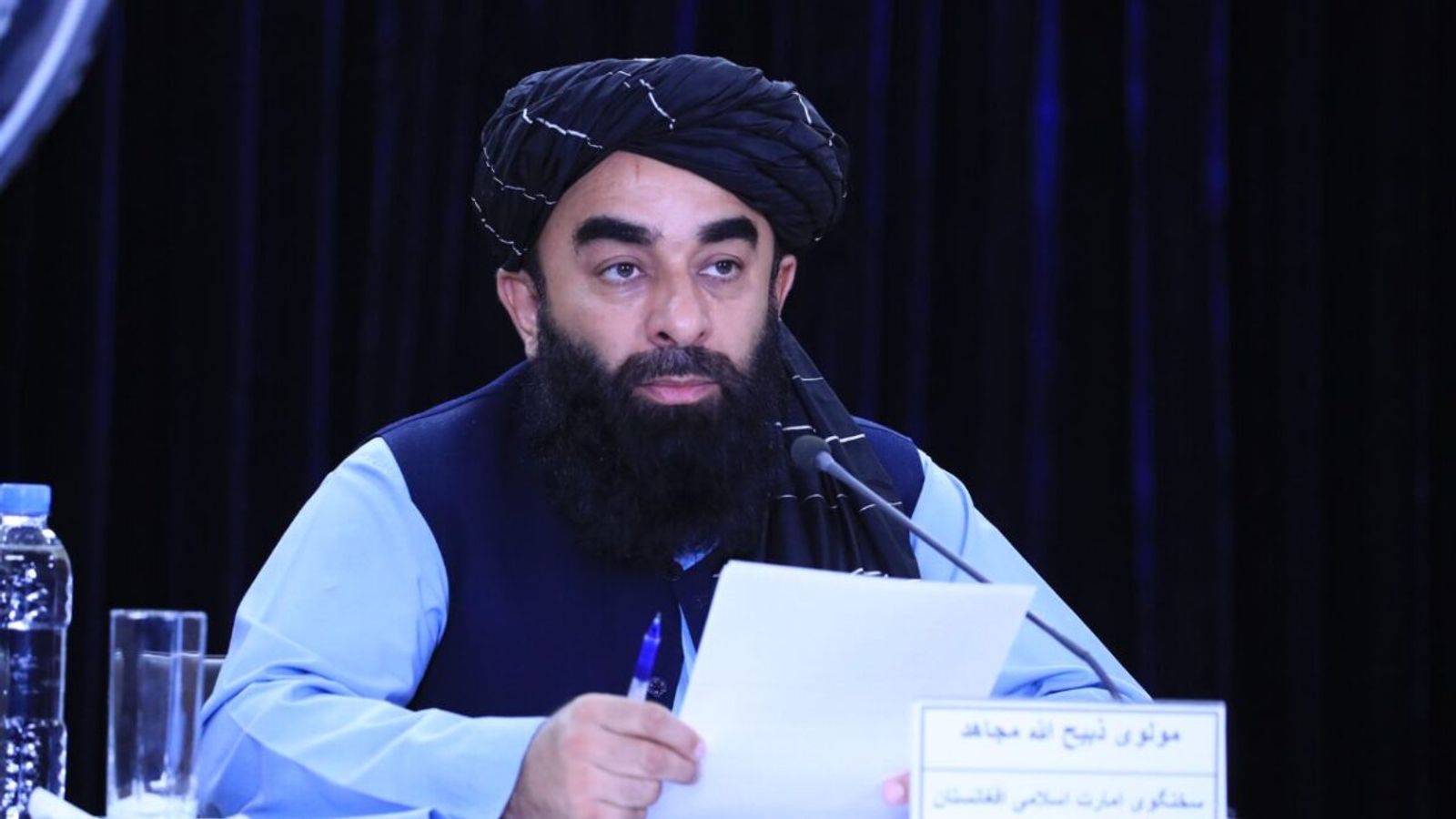
The UN Security Council extended the mandate of the Taliban Sanctions Monitoring Team for one year with a unanimous 15-0 vote on a US-drafted resolution.
Taliban spokesperson described the policy of "pressure and sanctions" as "unsuccessful" in an interview with Hurriyat Radio, a Taliban-affiliated outlet, calling the extension and continued monitoring "a repetitive and unsuccessful experience" that does not help solve problems. The spokesperson urged Western countries to rethink their approach.
US Deputy Permanent Representative Tami Bruce called Taliban tactics "repugnant," accusing them of using detainees to pressure Washington and other countries. She said the Taliban demanded the release of an Al-Qaeda member from Guantanamo in exchange for American citizens, while emphasizing their counter-terrorism commitments. Bruce stated: "The Taliban must end all forms of hostage-taking and unjust detentions. The UN's 1988 sanctions regime and its monitoring team remain vital tools to hold the Taliban accountable, including for these deplorable tactics."
China's Permanent Representative Fu Cong welcomed the extension, urging the Taliban to decisively counter ISIS and Al-Qaeda to prevent Afghanistan from becoming a regional security threat. He said: "Terrorist forces in Afghanistan must be decisively eliminated. Counter-terrorism is the main goal of the 1988 sanctions regime."
Russia's Deputy Permanent Representative Anna Ostignyeva welcomed the resolution's focus on ISIS and other terrorist groups, warning that overemphasizing human rights over counter-terrorism and drug trafficking could undermine sanctions enforcement. She noted: "We are pleased the resolution retains provisions on ISIS and stresses efforts against this threat."
Pakistan's Permanent Representative Asim Iftikhar Ahmed stated that groups including TTP, Al-Qaeda, ISIS, and the Baloch Liberation Army are present in Taliban-administered Afghanistan, expressing concerns. He said the resolution sends a clear message that Afghan soil should not be used to threaten other countries.
The committee, established in June 2011 under Resolution 1988, monitors UN sanctions including asset freezes, travel bans, and arms embargoes against Taliban-linked individuals and entities.
Read the original reporting at Amu TV →
Reliability assessment
Single source with direct, on-record attributions from multiple named UN officials (Tami Bruce, Fu Cong, Anna Ostignyeva, Asim Iftikhar Ahmed) at a verifiable Security Council meeting, including concrete details like unanimous vote, US draft, and resolution history.
Across the newsrooms
Filed by
Amu TV
Originating
Filed under
International — UN Security Council, Taliban sanctions, counter-terrorism, China, Russia
Reader supported
Keep Ehtebar running
Every published story uses paid tools to translate reporting, compare sources, extract claims, and produce a clearer read on Afghanistan. Reader support helps keep that work independent.
€5
helps cover daily verification runs
€15
supports a week of source comparison
€50
keeps independent analysis moving