INTERNATIONAL — March 26, 2026
Trump Wants Short War with Iran but Lacks Clear Plan, WSJ Says
U.S. President Donald Trump wants the war with Iran to remain short and end within weeks but lacks a clear plan, the Wall Street Journal reports, as Iran rejects initial U.S. proposals and tensions persist in the Strait of Hormuz.
The Ehtebar Desk — originates with Khaama Press — 2 min read
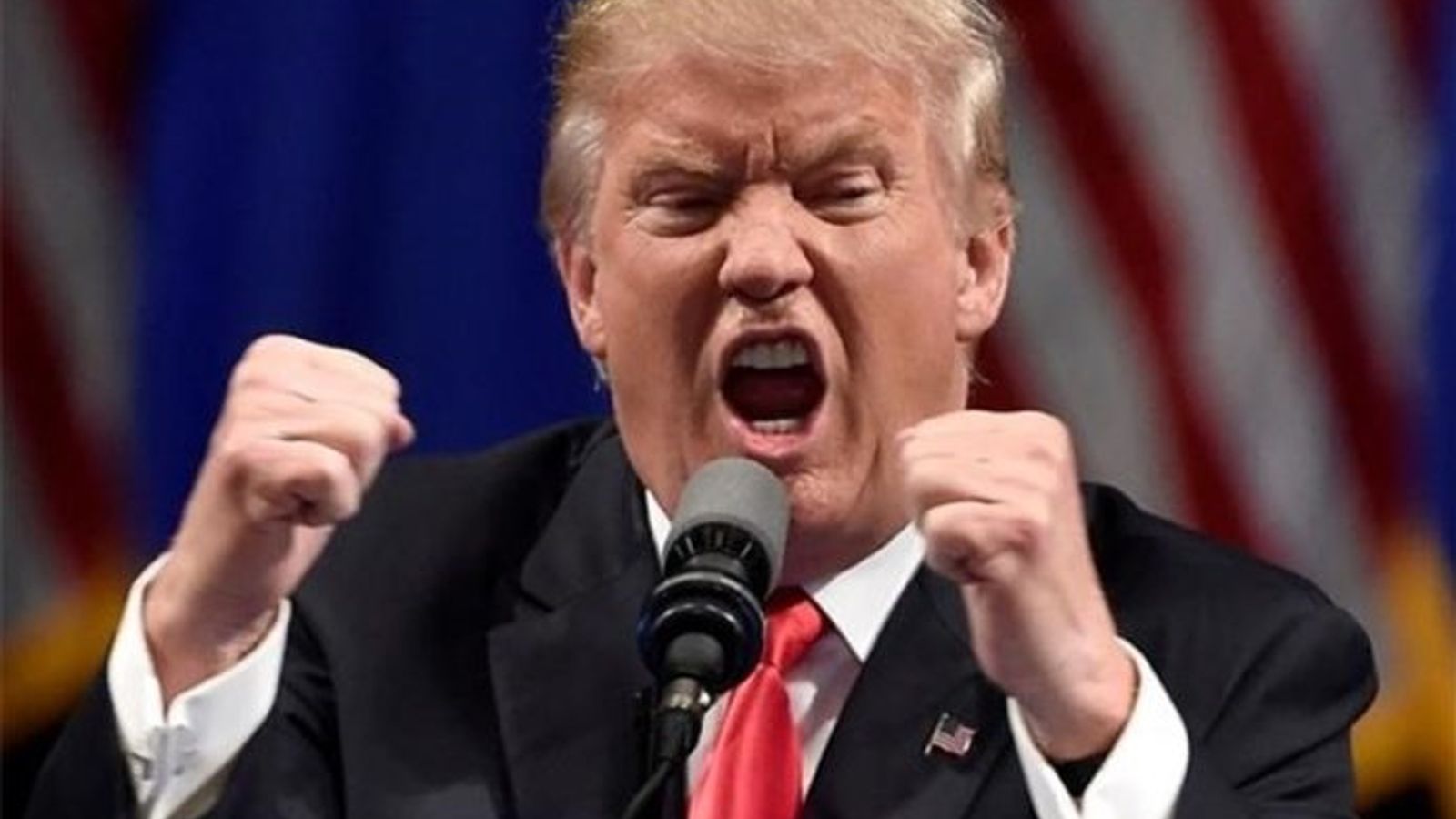
U.S. President Donald Trump wants the war with Iran to remain short and controlled, but he still lacks a clear plan for ending the conflict, The Wall Street Journal reported.
Trump has told aides he wants to bring the crisis to a close within weeks, even as peace talks remain at an early stage and he balances the conflict with domestic political and economic concerns including war costs and energy prices.
Trump is wavering between diplomacy and further military pressure, including the possibility of stronger strikes if no agreement is reached, while remaining cautious about deploying ground troops.
Trump’s room to maneuver remains limited because Iran has not accepted direct talks and because tensions around the Strait of Hormuz continue to threaten a wider regional and economic crisis. Iran has said transit through the strait would require Tehran’s approval under new rules.
There are divisions within Trump’s national security team, with some officials favoring stronger military pressure while others continue to push for a diplomatic off-ramp.
Washington has already floated a war-ending proposal to Tehran through mediators, with Pakistan emerging as a possible host for indirect or high-level talks as it tries to position itself as a regional peace broker.
Iran has hardened its public position and rejected the initial U.S. offer, insisting that any end to the war must happen on its own terms and with broader guarantees tied to security and regional demands.
Iranian Foreign Minister Abbas Araghchi and Parliament Speaker Mohammad Bagher Ghalibaf were temporarily excluded from a U.S.-Israeli strike target list for several days, a move widely seen as an effort to preserve a narrow diplomatic opening.
For now, the war appears caught between escalation and negotiation, with Trump seeking a rapid exit but still facing an adversary that sees strategic value in prolonging pressure.
Read the original reporting at Khaama Press →
Reliability assessment
Single source (Khaama Press) with clear attribution to a specific Wall Street Journal report citing private discussions; provides concrete details on statements, proposals, and named individuals. No conflicting sources present. Note that core claims about internal thoughts rely on anonymous sourcing from the cited WSJ report.
The source language mixes facts with framing or advocacy wording. Khaama Press: "lacks a clear plan for ending the conflict", "wavering between diplomacy and further military pressure", "hardened its public position" - these phrases introduce subjective interpretations and mild value judgments about the decision-making of Trump and Iran rather than purely neutral reporting of events.
Across the newsrooms
Filed by
Khaama Press
Originating
Framed
Framed
Filed under
International — Donald Trump, Iran, United States, Wall Street Journal, Pakistan
Reader supported
Keep Ehtebar running
Every published story uses paid tools to translate reporting, compare sources, extract claims, and produce a clearer read on Afghanistan. Reader support helps keep that work independent.
€5
helps cover daily verification runs
€15
supports a week of source comparison
€50
keeps independent analysis moving