
SOCIETY — February 19, 2026
Turkish Islam Scholar: Taliban Imposition of Religion Distances Afghans from Faith
Turkish researcher Mustafa Akyol warns that the Taliban's enforcement of strict Islamic rules is pushing Afghans away from religion, drawing lessons from Iran's experience with imposed faith.
The Ehtebar Desk — originates with Afghanistan International — 2 min read
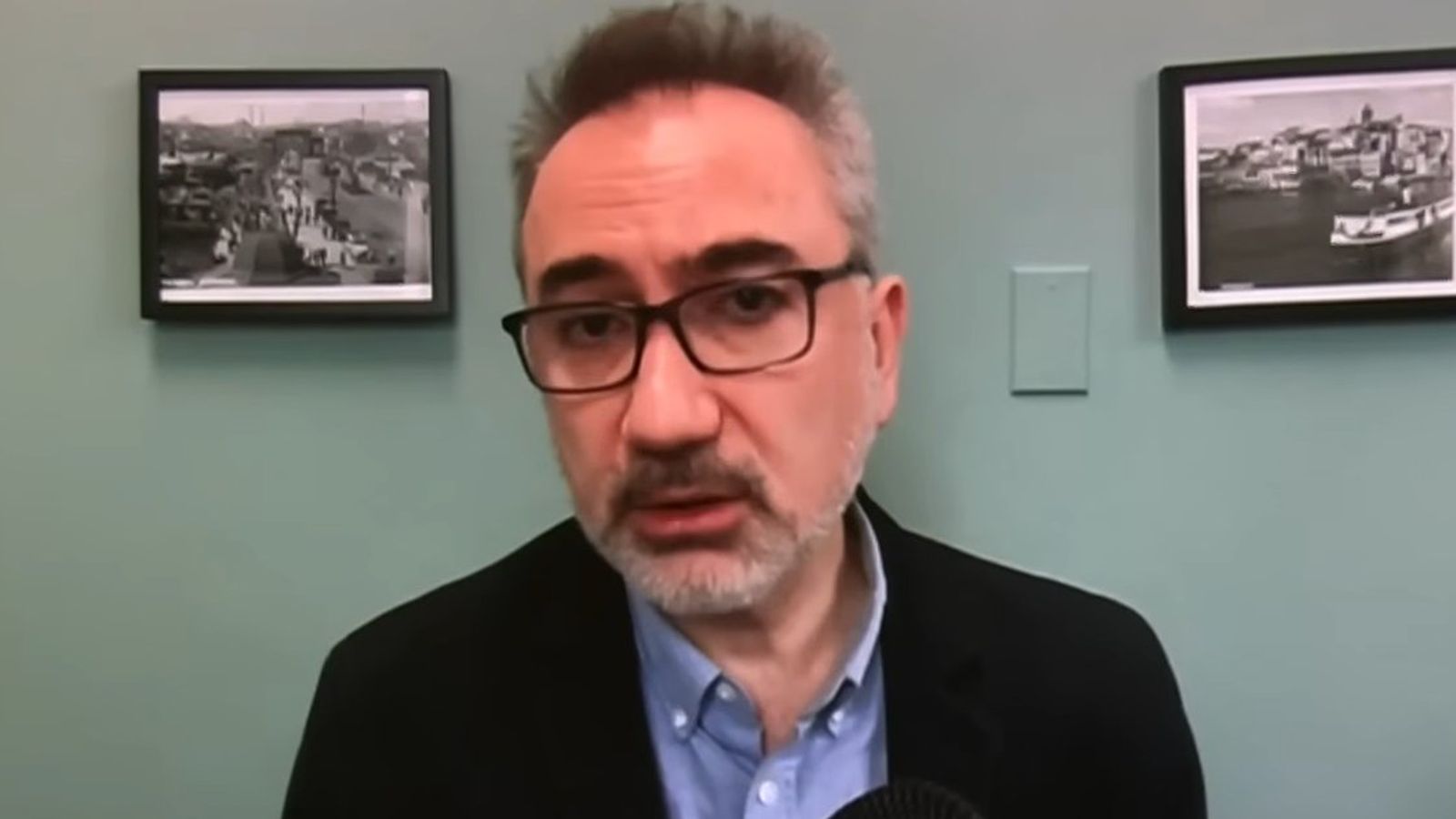
Mustafa Akyol, a Turkish author and researcher at the Washington-based Cato Institute, stated that the Taliban, by imposing their strict interpretation of Islam, are distancing Afghan society from religion.
In an appearance on Afghanistan International's program, Akyol drew parallels to the nearly five decades of the Islamic Republic of Iran's policies, including mandatory hijab, which he said have led a significant portion of Iranians to distance themselves from faith. He argued that imposing religious authority in the Taliban style would result in aversion to Islam and disrespect toward it.
Akyol, author of the book 'There is No Compulsion in Religion - No Exceptions,' examined how authoritarian regimes use Islam to gain and maintain control over society. He cited Iran's Islamic Republic as a symbol of the failure of imposed religion, noting that 47 years of religious compulsion have turned parts of the population into 'anti-Islam' individuals.
He emphasized that religion is voluntary, and no Islamic group can impose its specific interpretation on others. Since taking control of Afghanistan, the Taliban have rigorously enforced their understanding of Islamic jurisprudence, Akyol said. He added that faith cannot be imposed by force but must stem from personal conscience and free will.
Akyol described the Taliban as a group claiming Islamic governance that seeks to compel piety among people. He stressed that true faith arises from inner purity and cannot be externally enforced; otherwise, it leads to hypocrisy or rebellion against religion.
Reviewing Islamist parties over the past century, Akyol noted they impose their fiqh interpretations to seize power. He contrasted this with the Ottoman Empire, which, despite claiming the caliphate, established schools for girls, unlike the Taliban's opposition to women's and girls' education, which he said will have dire consequences for Afghanistan's future and Islam there.
Akyol highlighted Afghanistan's diverse cultures, arguing the Taliban impose their ethnically and religiously shaped views on all Afghans. He claimed that without Iran's mandatory hijab, more women might veil voluntarily today, but imposition has produced a generation burning hijabs in streets, turning Iranian society into one of the world's most secular.
Read the original reporting at Afghanistan International →
Reliability assessment
Single source with direct, on-record attribution from named expert Mustafa Akyol in a televised program, providing concrete details from his book and historical comparisons; opinion-based but verifiably attributed.
Across the newsrooms
Filed by
Afghanistan International
Originating
Filed under
Society — Taliban, Mustafa Akyol, Islam, Afghanistan, Iran
Reader supported
Keep Ehtebar running
Every published story uses paid tools to translate reporting, compare sources, extract claims, and produce a clearer read on Afghanistan. Reader support helps keep that work independent.
€5
helps cover daily verification runs
€15
supports a week of source comparison
€50
keeps independent analysis moving
More in Society
Health Officials and Experts Discuss Rise in Black Jaundice Cases in Afghanistan
— Reliable
Discussion on Agricultural Products and Health Services in Samangan Province
— Reliable

WHO Report Cites Taliban Restrictions and Funding Shortfalls as Threats to Health Services in Afghanistan
— Reliable
Afghan officials report returns of families from Pakistan and Iran alongside releases from Pakistani prisons
— Reliable