
SOCIETY — May 7, 2026
UK Envoy Highlights Importance of Male Support for Girls’ Education in Afghanistan Following Activist’s Award
UK Special Representative Richard Lindsay praised education activist Matiullah Wesa after he won the 2026 Freedom Prize, emphasizing that male support for girls' schooling is vital for Afghanistan's future. The award was selected by thousands of youth worldwide amid ongoing restrictions on female education.
The Ehtebar Desk — originates with Khaama Press — corroborated by ToloNews and Amu TV — 2 min read
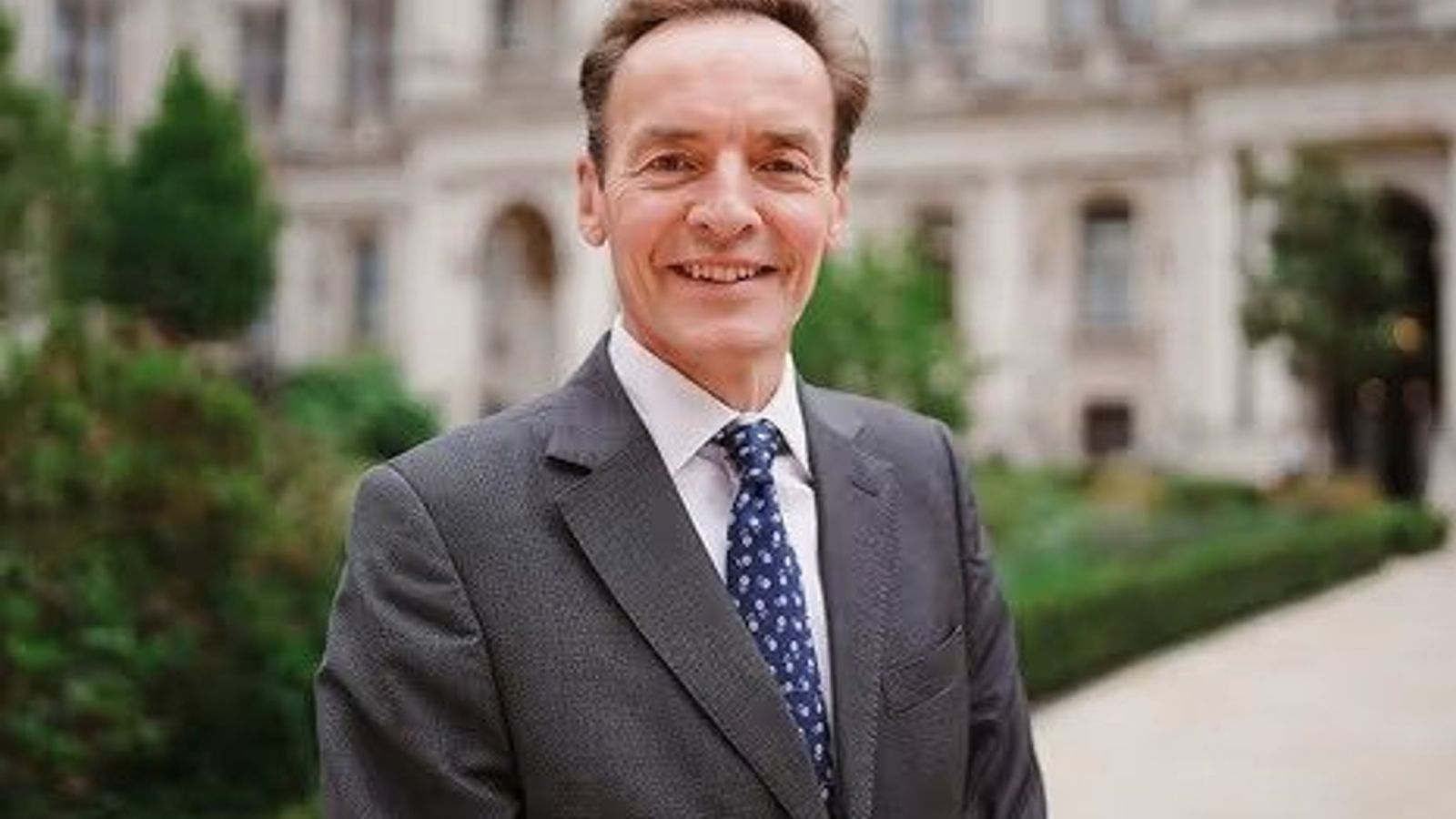
The United Kingdom’s special representative for Afghanistan stated that male advocacy for girls’ education remains a vital component of the country’s future, following the selection of Afghan activist Matiullah Wesa for the 2026 Freedom Prize.
Richard Lindsay, the UK special representative, publicly congratulated Wesa on receiving the award, which is organized by France’s Normandy region. The prize was determined through a global vote involving 18,708 young people from 75 countries. In a statement on social media, Lindsay emphasized that the active participation of men in supporting educational access for women and girls is essential for Afghanistan’s long-term development and social progress.
Wesa is the founder of the education initiative Rah-e-Qalam, also referred to as Pen Path, which has worked to establish learning centers in remote and underserved areas of the country. His advocacy efforts have previously resulted in his detention by the Taliban, who have enforced widespread restrictions on secondary and higher education for females since taking control of the country.
The award underscores continued efforts to address educational barriers in Afghanistan. The ongoing limitations on female schooling continue to impact the nation’s humanitarian and economic landscape. The Freedom Prize is designed to recognize and amplify the work of individuals and organizations dedicated to advancing human rights and civic engagement globally.
Read the original reporting at Khaama Press →
Reliability assessment
Three independent outlets corroborate the public statement by UK Special Representative Richard Lindsay regarding Matiullah Wesa receiving the 2026 Freedom Prize. The core event is directly attributable to a named official and consistently reported across sources.
The source language reads straight.
Independent web corroboration
An independent web search turned up no separate corroborating reports. Treat the account as single-sourced until more outlets pick it up.
Across the newsrooms
Where reports agree
- Both sources confirm the UK Special Representative publicly congratulated Matiullah Wesa on winning the 2026 Freedom Prize.
- Both cite the envoy's statement on X describing male support for girls' education as 'vital' for national progress.
- Both report identical voting statistics: 18,708 youth from 75 countries participated in selecting the winner.
- Both confirm Wesa's prior detention by the Taliban and his work promoting education in remote/deprived areas.
Where reports differ
- Minor spelling variation of the UK envoy's surname: 'Lindsley' (Amu TV) vs 'Lindsay' (Khaama Press).
- Translation difference for Wesa's organization: 'Rah-e-Qalam' (Amu TV) vs 'Pen Path' (Khaama Press), which refer to the same entity.
- Khaama Press includes additional contextual reporting on Afghanistan's broader education restrictions and humanitarian crisis, which Amu TV omits.
Filed by 3 outlets
Khaama Press
Originating
Reported straight
Reported straight
ToloNews
Reported straight
Reported straight
Amu TV
Reported straight
Reported straight
Filed under
Society — Matiullah Wesa, Freedom Prize 2026, Girls' Education, UK Special Representative, Normandy Region
Reader supported
Keep Ehtebar running
Every published story uses paid tools to translate reporting, compare sources, extract claims, and produce a clearer read on Afghanistan. Reader support helps keep that work independent.
€5
helps cover daily verification runs
€15
supports a week of source comparison
€50
keeps independent analysis moving
More in Society
Health Officials and Experts Discuss Rise in Black Jaundice Cases in Afghanistan
— Reliable
Discussion on Agricultural Products and Health Services in Samangan Province
— Reliable
WHO Report Cites Taliban Restrictions and Funding Shortfalls as Threats to Health Services in Afghanistan
— Reliable
Afghan officials report returns of families from Pakistan and Iran alongside releases from Pakistani prisons
— Reliable