INTERNATIONAL — February 24, 2026
UN Official Labels Afghanistan Women's Situation Under Taliban as 'Worst Structural Human Rights Violation'
A UN official called the situation of Afghan women under Taliban 'gender apartheid' and the worst structural human rights violation at the UN Human Rights Council, urging global action. Activist Shuhla Farid highlighted its systematic nature and global implications.
The Ehtebar Desk — originates with Hasht-e Subh — corroborated by Khaama Press, Afghanistan International and Amu TV — 2 min read
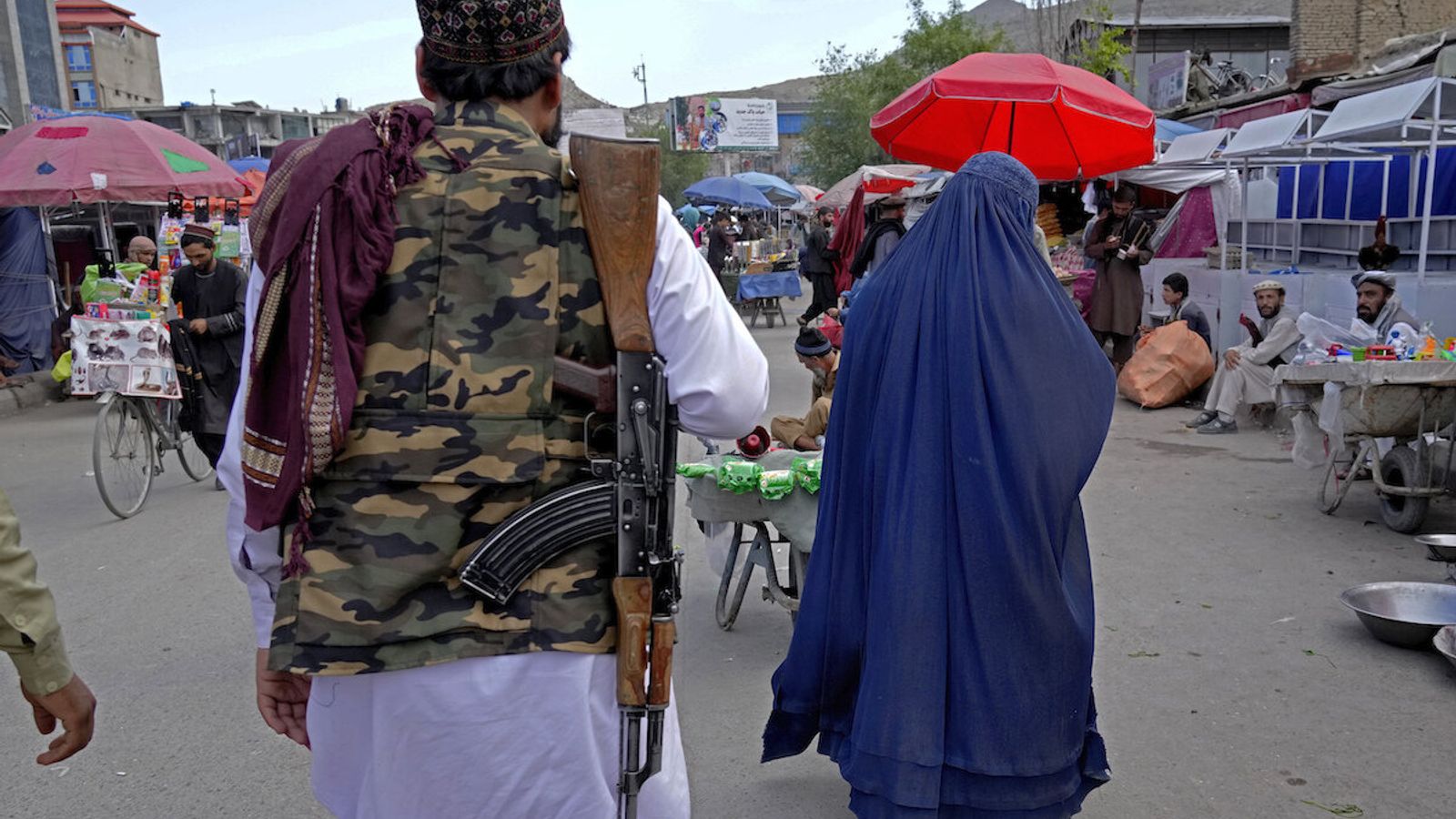
Annalena Baerbock, identified as president of the 80th session of the UN General Assembly, described the situation of women and girls in Afghanistan under Taliban control as the "worst structural human rights violation" and a form of "gender apartheid against women and girls" during a speech at the opening of the 61st session of the UN Human Rights Council.
Baerbock criticized distinctions made between Taliban factions in international discussions, noting arguments that Kabul-based Taliban might be more moderate than those from Kandahar. She warned that overlooking these violations would yield no results and stressed that human rights protections, once thought established, are now being questioned, rejected or violated. Baerbock called for serious international actions to ensure human rights and support Afghan women, while expressing concern over UN and global consultations on humanitarian aid to Afghanistan amid bans on women and girls from work and education.
Human rights activist Shuhla Farid, former Kabul University professor, described Baerbock's remarks as reflecting serious global concern over Afghan women's status. Farid said the "worst structural human rights violation" label indicates systematic and institutionalized restrictions, and "gender apartheid" signals organized discrimination excluding women from public spheres, education, economy and politics. She argued this could enable diplomatic pressure and legal pursuits under international frameworks.
Farid emphasized the issue's global dimensions, stating that if women worldwide are unsafe, no one is, linking restrictions to social instability, extremism, forced migration and undermined sustainable development. She noted the lack of human security under Taliban rule.
The report also mentions the Taliban's penal code permitting flogging of women and children, prohibiting escape from violence and limiting access to justice.
Read the original reporting at Hasht-e Subh →
Reliability assessment
Key facts corroborated by multiple independent outlets (Hasht-e Subh, Khaama Press, Afghanistan International, Amu TV), with direct on-record attribution to named official Annalena Baerbock's speech at the opening of the 61st session of the UN Human Rights Council.
The source language mixes facts with framing or advocacy wording. Loaded phrases include 'worst structural human rights violation' (hyperbolic severity), 'gender apartheid' (advocacy framing equating to systemic racial oppression), and activist claims of 'global human rights crisis' with consequences like 'extremism' and 'forced migration' (emotional advocacy linking to broader instability).
Across the newsrooms
Filed by 4 outlets
Hasht-e Subh
Originating
Khaama Press
Afghanistan International
Amu TV
Filed under
International — UN Human Rights Council, Annalena Baerbock, Taliban, women's rights, gender apartheid
Reader supported
Keep Ehtebar running
Every published story uses paid tools to translate reporting, compare sources, extract claims, and produce a clearer read on Afghanistan. Reader support helps keep that work independent.
€5
helps cover daily verification runs
€15
supports a week of source comparison
€50
keeps independent analysis moving