INTERNATIONAL — May 7, 2026
UN Rapporteur Calls for Recognition of Gender Apartheid in Afghanistan at Paris Conference
UN Special Rapporteur Richard Bennett urged the international community to recognize gender apartheid in Afghanistan and maintain support for citizens amid severe restrictions on women. He highlighted the Afghan diaspora’s role in advocating for rights and sustaining hope during a parliamentary conference in Paris.
The Ehtebar Desk — originates with Khaama Press — 2 min read
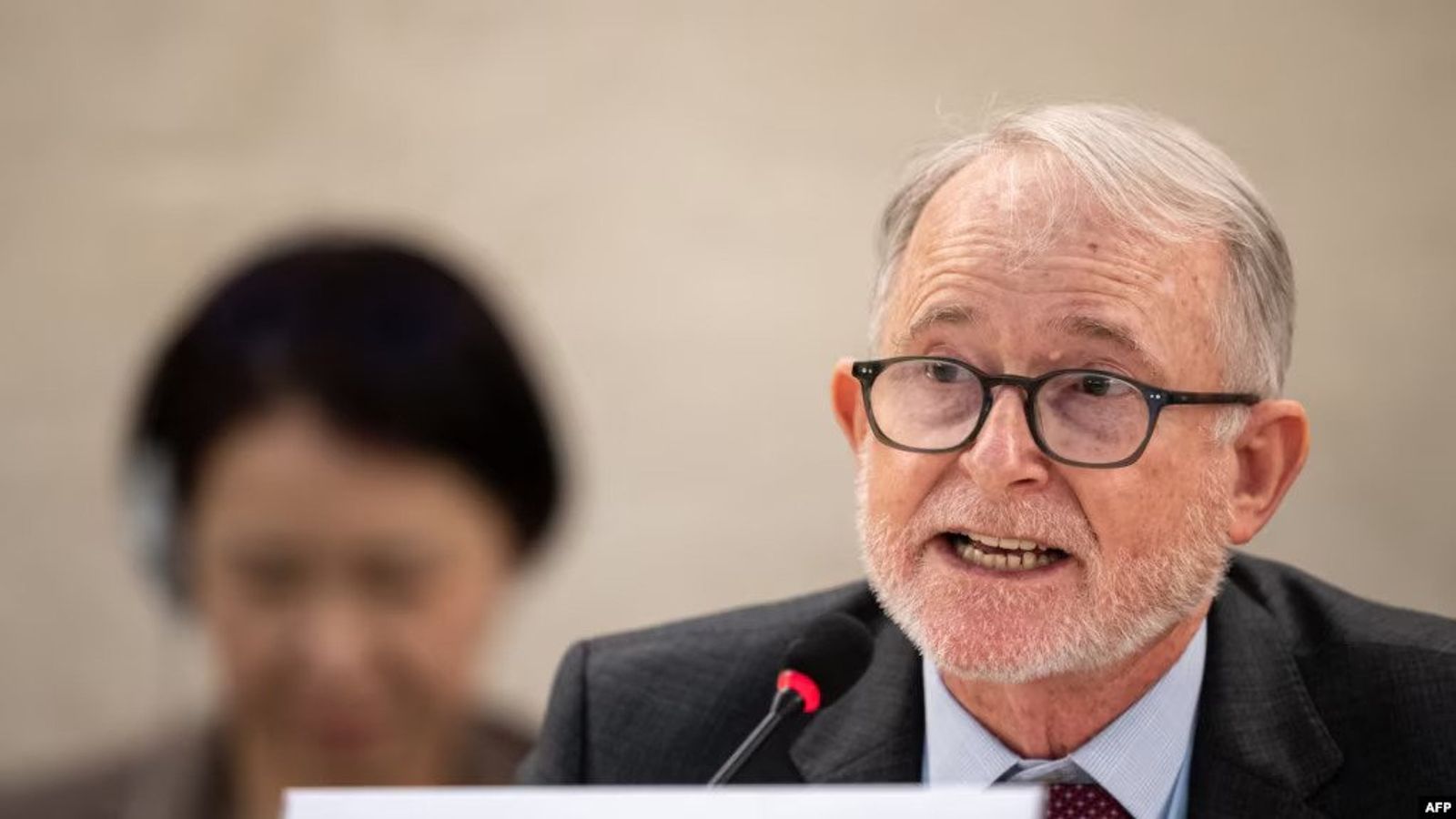
United Nations Special Rapporteur Richard Bennett has called on the international community to formally recognize what he described as “gender apartheid” in Afghanistan. Speaking at a parliamentary conference on Afghanistan held at the French National Assembly in Paris, Bennett emphasized that the severe restrictions imposed on women and girls require urgent global attention.
During his address, Bennett urged governments and international organizations to sustain their support for Afghan citizens facing systemic limitations. He noted that ongoing policies have drastically curtailed access to education, employment, and public life for women and girls, creating conditions that warrant formal international designation.
The conference brought together French lawmakers, human rights advocates, and former Afghan officials to discuss the humanitarian and political situation in the country. Bennett highlighted the continued role of the Afghan diaspora in preserving cultural and educational ties while advocating for the rights of those remaining in Afghanistan. He described the diaspora as a critical source of hope and a potential catalyst for future change.
Bennett’s remarks align with longstanding calls from United Nations bodies and human rights organizations to address the systematic exclusion of women from Afghan public life. He stressed that international recognition of the situation would help mobilize targeted diplomatic and humanitarian responses.
The UN envoy reiterated that sustained engagement remains essential to prevent further isolation of Afghan women and girls. He concluded by urging policymakers to maintain pressure and support mechanisms aimed at protecting fundamental rights and ensuring that the voices of Afghan women remain central to any future diplomatic discussions regarding the country.
Read the original reporting at Khaama Press →
Reliability assessment
Single source provides direct, on-record attribution to a named UN official (Richard Bennett) speaking at a specific, verifiable event (parliamentary conference at the French National Assembly in Paris). The reporting focuses on attributable statements rather than contested facts, meeting the threshold for reliable sourcing per guidelines.
The source language reads straight.
Independent web corroboration
A separate web search returned 8 matching reports. A selection:
A separate panel focused on international legal responses, with participants calling for recognition of “gender apartheid” as an international crime. Richard Bennett, the UN special rapporteur for Afghanistan, said sustained international ...
Across the newsrooms
Filed by
Khaama Press
Originating
Reported straight
Reported straight
Filed under
International — Richard Bennett, UN Special Rapporteur, French National Assembly, Gender Apartheid, Afghan Women
Reader supported
Keep Ehtebar running
Every published story uses paid tools to translate reporting, compare sources, extract claims, and produce a clearer read on Afghanistan. Reader support helps keep that work independent.
€5
helps cover daily verification runs
€15
supports a week of source comparison
€50
keeps independent analysis moving