
SOCIETY — April 20, 2026
UN Reports Pressure on Afghan Services from Reduced Aid and Increased Migrant Returns
The UN says reduced aid in 2025 and rising migrant returns have pressured essential services in Afghanistan, even as aid reached more than 34 million people. The IOM reports returns from Pakistan in early 2026 were 15 times higher than the year before, with further increases from Iran.
The Ehtebar Desk — originates with Amu TV — corroborated by ToloNews — 2 min read
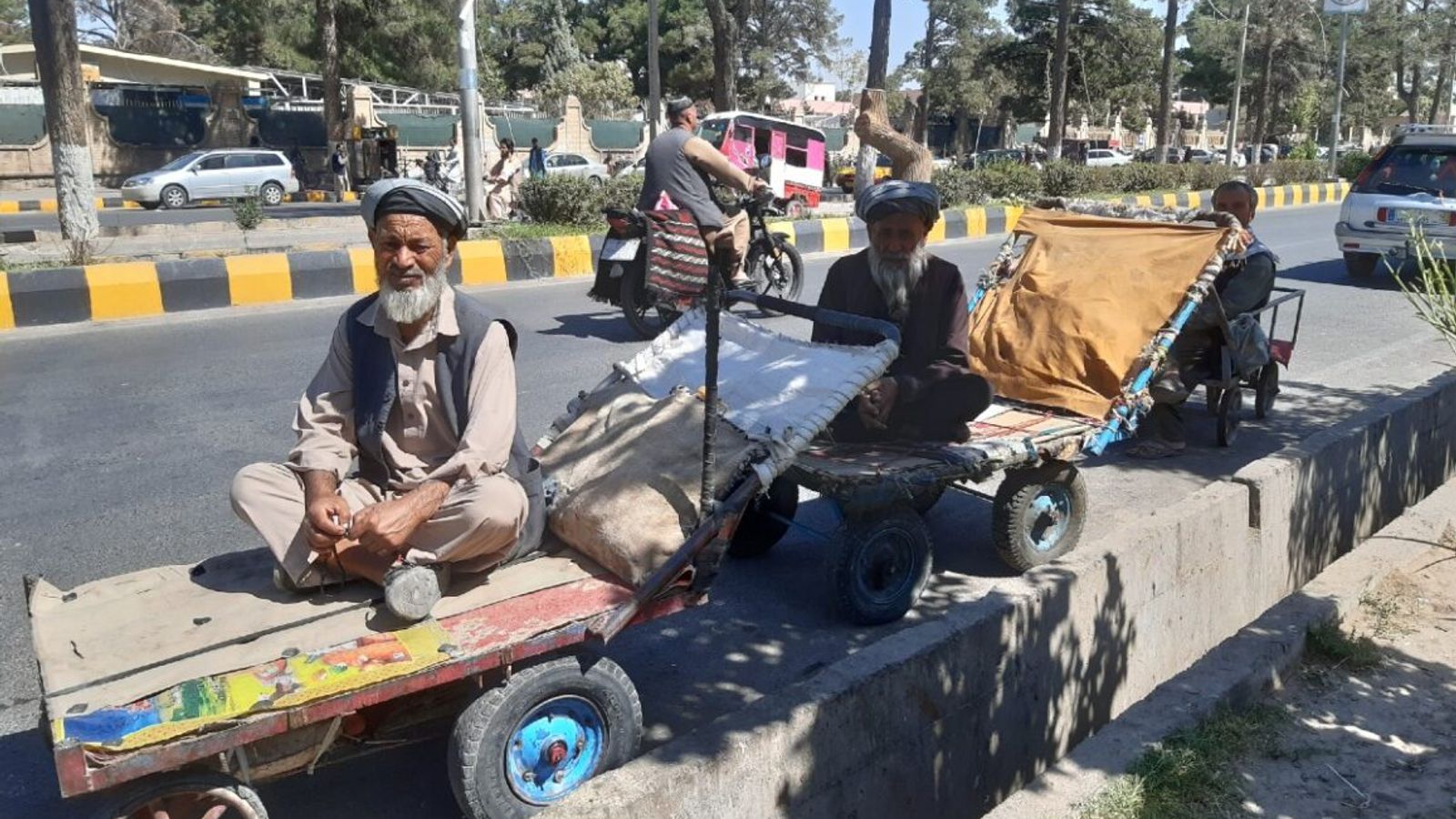
The United Nations has reported that reduced humanitarian aid in 2025 placed essential services across Afghanistan under significant pressure. The situation was worsened by a series of factors including large numbers of returning migrants, population growth, climate pressures, natural disasters and operational restrictions.
In spite of these difficulties, the UN and its partners were able to provide assistance to more than 34 million people. This included health care for millions of Afghans, educational programs for 4.6 million children and the creation of approximately 45,000 long-term jobs. The world body highlighted the resilience shown by communities in developing greater self-reliance.
Separately, the International Organization for Migration documented a sharp rise in Afghan migrant returns from Pakistan and Iran during the first quarter of 2026. The number of returnees from Pakistan was 15 times higher than during the same period in 2025. Following the reopening of the Torkham and Spin Boldak crossings, returns surged from 2,320 to more than 42,000 in just the past two weeks.
Returns from Iran rose 56 percent, with notable increases at border points including 81 percent at the Silk Bridge and 43 percent at Islam Qala, although overall numbers were 30 percent lower than in 2025. The IOM said tensions between Kabul and Islamabad have made conditions more difficult for Afghan migrants in Pakistan. It added that more than 20 Afghan migrants lost their lives in joint US-Israeli attacks on Iran.
Read the original reporting at Amu TV →
Reliability assessment
Both sources cite concrete details from official UN and IOM reports with specific numbers, percentages, and named crossings; core events (aid pressures and massive rise in returns) are corroborated via these independent international organizations. No contradictions exist between sources despite different emphases.
The source language mixes facts with framing or advocacy wording. ToloNews: "the situation of Afghan migrants in Pakistan is worsening day by day" - mild emotional framing suggesting ongoing deterioration without supporting data; "joint US and Israel attacks on Iran" - opinionated characterization of events as collaborative; "more than 20 Afghan migrants have also lost their lives" - emphasizes human tragedy with loaded phrasing like 'also'.
Independent web corroboration
A separate web search returned 8 matching reports. A selection:
- UN says aid to Afghans remained steady despite funding pressures in 2025 | Ariana News | Afghanistan Newsariananews.af
According to the UN’s Afghanistan results report, funding under the Strategic Framework for Afghanistan 2023–2027 reached $1.7 billion last year, supporting essential services, livelihoods and recovery efforts across the country.
The report noted that in 2025, declining humanitarian funding, large-scale population movements, climate pressures, natural disasters, and operational constraints continued to strain families, markets, and essential services in Afghanistan.
UNAMA: More Than 34 Million People in Afghanistan Received Services in 2025UNAMA: More Than 34 Million People in Afghanistan Received Services in 2025 — Indrika Ratwatte, Deputy Special ... of migrants, climate change and operational restrictions, essential services have continued to be delivered to the population....
Across the newsrooms
Where reports agree
- Return of migrants is a significant factor contributing to economic and humanitarian pressures in Afghanistan
- International organizations (UN and IOM) are actively reporting on and responding to Afghanistan's humanitarian, aid, and migration challenges
Where reports differ
- Amu TV centers on UN annual report highlighting aid reductions, resilience, specific aid reach (34M people, education, jobs), while ToloNews focuses exclusively on IOM migration statistics showing sharp increases in returns
- ToloNews reports over 20 Afghan migrant deaths due to US-Israeli attacks on Iran and worsening conditions in Pakistan; this is absent from Amu TV
- Specific quantitative details do not overlap (aid/education/job figures only in Amu TV; precise return multipliers, border percentages, and casualty figures only in ToloNews)
Filed by 2 outlets
Amu TV
Originating
Reported straight
Reported straight
ToloNews
Framed
Framed
Filed under
Society — Humanitarian Aid, Migrant Returns, UN Report, IOM, Economic Pressure
Reader supported
Keep Ehtebar running
Every published story uses paid tools to translate reporting, compare sources, extract claims, and produce a clearer read on Afghanistan. Reader support helps keep that work independent.
€5
helps cover daily verification runs
€15
supports a week of source comparison
€50
keeps independent analysis moving
More in Society

Health Officials and Experts Discuss Rise in Black Jaundice Cases in Afghanistan
— Reliable

Discussion on Agricultural Products and Health Services in Samangan Province
— Reliable
WHO Report Cites Taliban Restrictions and Funding Shortfalls as Threats to Health Services in Afghanistan
— Reliable
Afghan officials report returns of families from Pakistan and Iran alongside releases from Pakistani prisons
— Reliable