INTERNATIONAL — February 14, 2026
UN Security Council Unanimously Extends Taliban Sanctions for One Year
The UN Security Council extended Taliban sanctions for one year unanimously, citing terrorism, women's discrimination and lack of inclusive government. Representatives from the U.S., Russia, China, Pakistan and UK urged the Taliban on counter-terrorism, rights and engagement.
The Ehtebar Desk — originates with Hasht-e Subh — 2 min read
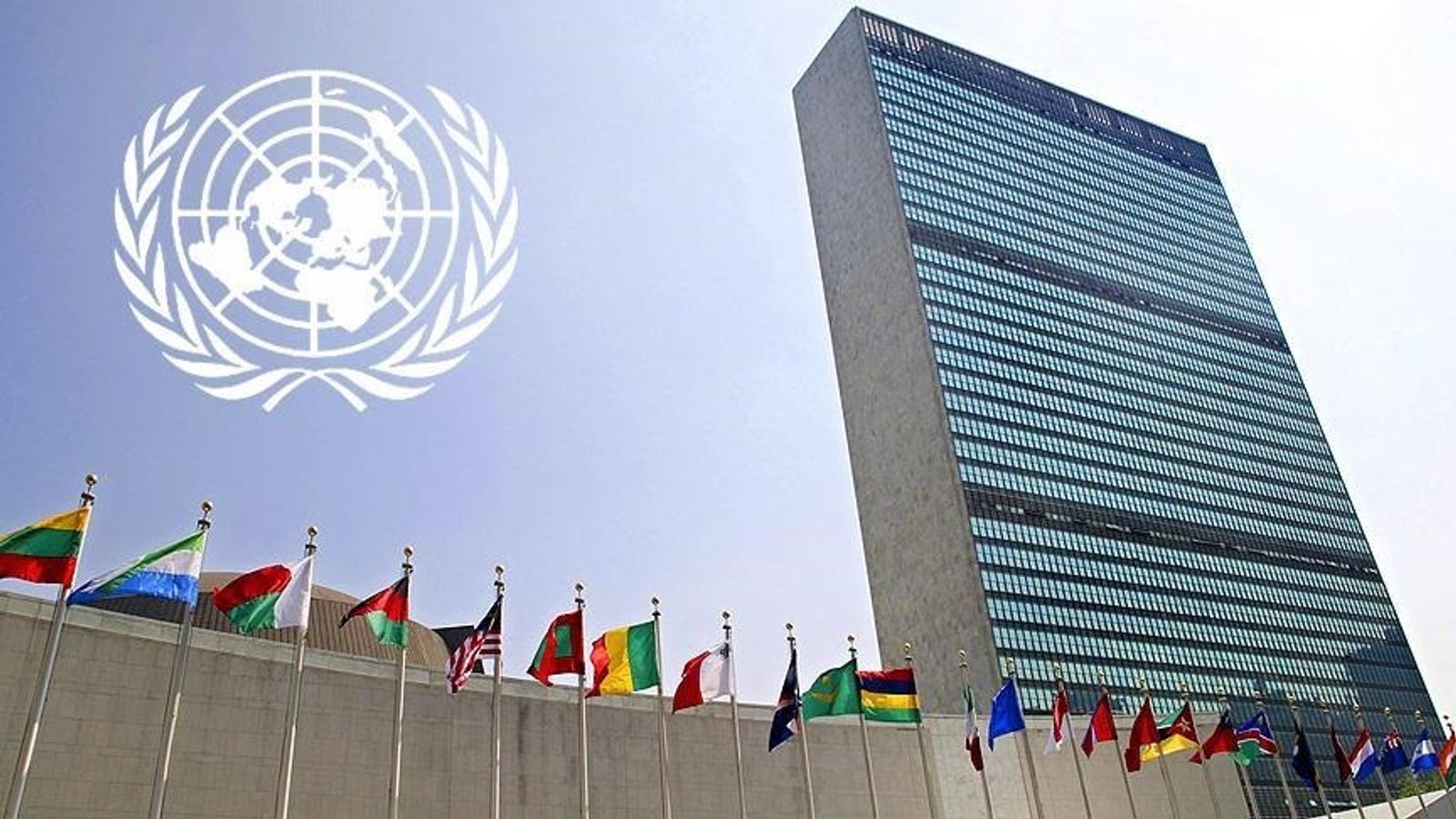
The UN Security Council unanimously approved a one-year extension of sanctions against the Taliban and other entities threatening peace and security in Afghanistan on Thursday, February 14, 2026. All 15 members voted in favor of the U.S.-drafted resolution continuing the 1988 sanctions regime, with no renewals of exemptions for certain Taliban leaders.
The council cited ongoing terrorist activities in Afghanistan, discrimination against women and lack of an inclusive government as reasons for maintaining the sanctions without revision. It tasked the monitoring team with gathering information on violations, informing the committee and recommending actions. Over 170 individuals and five organizations, including the Haqqani network, two exchange offices and two Taliban-linked companies, are listed under the 1988 committee sanctions. Most are Taliban leaders and Haqqani members. Related terrorist figures fall under committees 1267/1999 (al-Qaida, ISIS) and 1988/2011 (Taliban).
U.S. representative Tembrou, voting in favor, urged the Taliban to halt all hostage-taking and release detained Americans, accusing them of using detainees as leverage in negotiations, including demands to free an al-Qaida member from Guantanamo. Russia's deputy representative Anna Yuvitsiniya supported maintaining monitoring team contacts with the Taliban to counter ISIS threats, while criticizing efforts to link counter-terrorism to human rights issues. She emphasized comprehensive international cooperation with the Taliban.
China's Fu Cong called on the Taliban to honor commitments, prevent Afghan soil from being used against others, combat ISIS, TTP, al-Qaida and other militants, and lift sanctions. Pakistan's Asim Iftikhar Ahmed urged the Taliban to choose between international engagement or isolation. Britain's representative demanded practical Taliban actions to protect women's rights and fight terrorism. The acting head of Afghanistan's permanent mission to the UN welcomed the resolution as reflecting global attention to Afghanistan, stressing human rights observance, counter-terrorism and inclusive governance.
Read the original reporting at Hasht-e Subh →
Reliability assessment
Single source with direct, on-record attributions from named spokespeople (U.S. Tembrou, Russia Yuvitsiniya, China Fu Cong, Pakistan Ahmed, UK rep, Afghan mission head) at a specific UNSC meeting, including checkable details like unanimous vote, committees (1988, 1267), list sizes (170 individuals, 5 orgs), and date.
Across the newsrooms
Filed by
Hasht-e Subh
Originating
Filed under
International — UN Security Council, Taliban sanctions, Afghanistan, counter-terrorism, women's rights
Reader supported
Keep Ehtebar running
Every published story uses paid tools to translate reporting, compare sources, extract claims, and produce a clearer read on Afghanistan. Reader support helps keep that work independent.
€5
helps cover daily verification runs
€15
supports a week of source comparison
€50
keeps independent analysis moving