INTERNATIONAL — February 12, 2026
UN Security Council Unanimously Extends Taliban Sanctions Monitoring Team Mandate by One Year
The UN Security Council unanimously extended the mandate of the team monitoring Taliban sanctions for one year, citing ongoing support for terrorist groups, discrimination against women, and lack of inclusive governance. A recent UN report highlights Taliban backing for Al-Qaeda and other militants in Afghanistan.
The Ehtebar Desk — originates with Afghanistan International — corroborated by Pajhwok — 2 min read
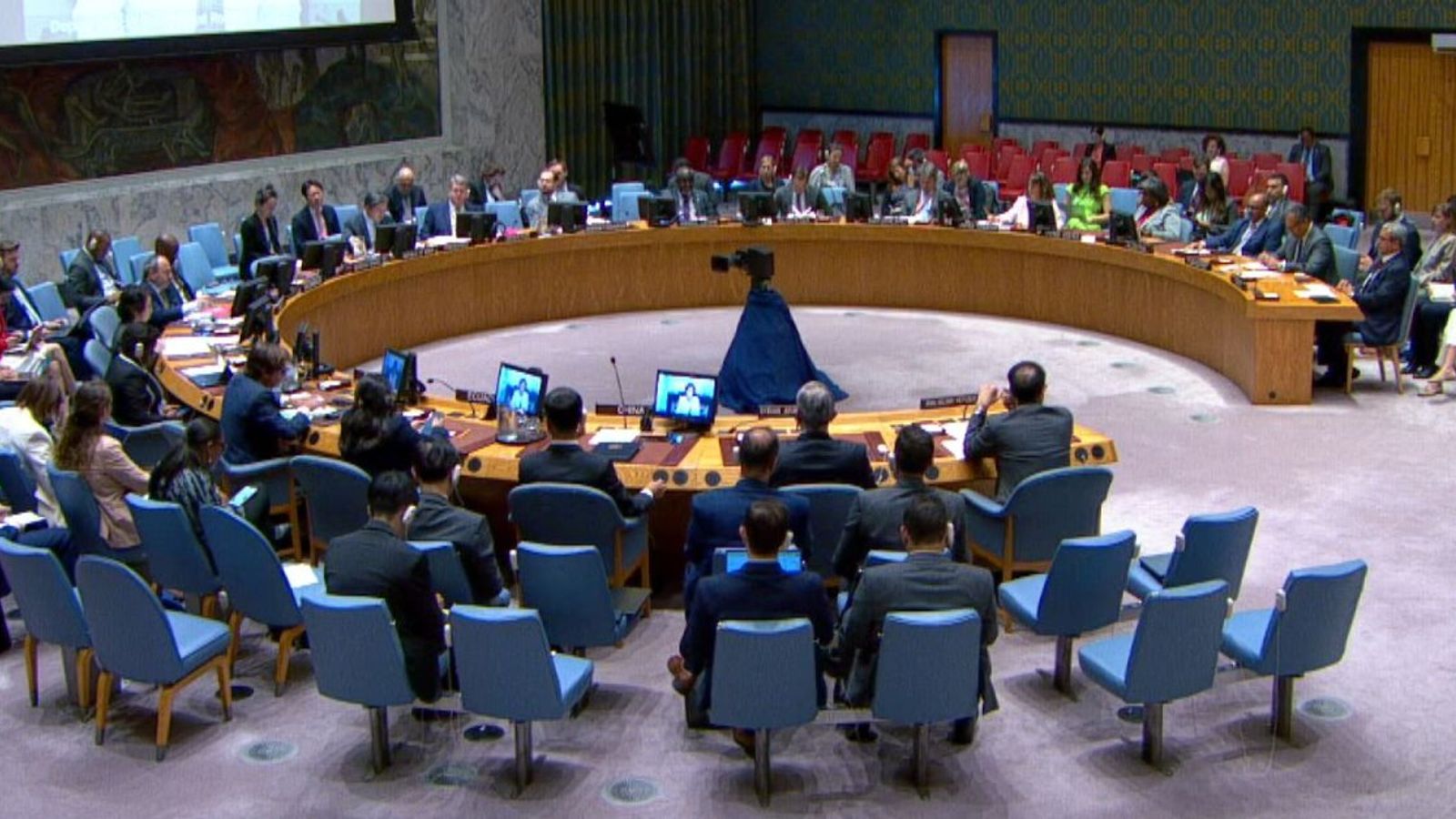
The UN Security Council unanimously extended the mandate of the monitoring team overseeing sanctions against the Taliban for one additional year on Thursday, February 12, 2026 (23 Dalu). All 15 members approved the resolution continuing sanctions regime 1988, and exemptions from travel bans for some Taliban leaders were not renewed.
The draft resolution was prepared by the United States. The monitoring team supports committees responsible for directly overseeing sanctions related to Afghanistan, including asset freezes, travel bans, and an arms embargo on Taliban-associated individuals and entities. The committee identifies and lists eligible individuals, reviews exemption requests, and submits periodic reports to the Security Council on developments.
Tim Bruce, U.S. deputy representative to the UN, stated after the vote: "The monitoring team's reports provide key analyses on how these sanctions impact listed individuals and entities, while also helping us gain a more precise understanding of the current situation in Afghanistan."
The Taliban has repeatedly urged countries to lift the sanctions. However, activities of terrorist groups in Afghanistan, discrimination against women, and the absence of an inclusive government have prevented the Security Council from reviewing the sanctions.
A recent UN sanctions monitoring team report released on February 11 (22 Dalu) states that the Taliban supports terrorist groups including Al-Qaeda, Tehrik-i-Taliban Pakistan (TTP), and the East Turkestan Islamic Movement (ETIM). It notes that senior Al-Qaeda members such as Osama Mahmoud and his deputy Yahya Ghori are present in Kabul.
The team's six-month report to the Security Council on global terrorism threats indicates that Al-Qaeda continues to receive Taliban support and acts as a service provider in Afghanistan, particularly offering training and advice to TTP. Al-Qaeda's Indian subcontinent branch is active in southeastern Afghanistan, with its leader Osama Mahmoud and deputy Yahya Ghori in Kabul, and the group's media team operating in Herat.
Read the original reporting at Afghanistan International →
Reliability assessment
Key facts of the UN Security Council unanimously extending the Taliban sanctions monitoring team mandate are corroborated by two independent outlets (Afghanistan International and Pajhwok), reporting on an official, public UN resolution with concrete details including date, resolution number, and unanimous vote.
Across the newsrooms
Filed by 2 outlets
Afghanistan International
Originating
Pajhwok
Filed under
International — UN Security Council, Taliban sanctions, Al-Qaeda, TTP, Afghanistan
Reader supported
Keep Ehtebar running
Every published story uses paid tools to translate reporting, compare sources, extract claims, and produce a clearer read on Afghanistan. Reader support helps keep that work independent.
€5
helps cover daily verification runs
€15
supports a week of source comparison
€50
keeps independent analysis moving