
SOCIETY — February 20, 2026
UN Stresses Access to Quality Education as Key to Social Justice on World Day
The UN and ILO marked World Day of Social Justice by stressing equal access to education, decent work, and protections amid global inequalities. In Afghanistan, Taliban restrictions on women and a new penal code dividing society by class highlight persistent social disparities, per reports and resident accounts.
The Ehtebar Desk — originates with Amu TV — 2 min read
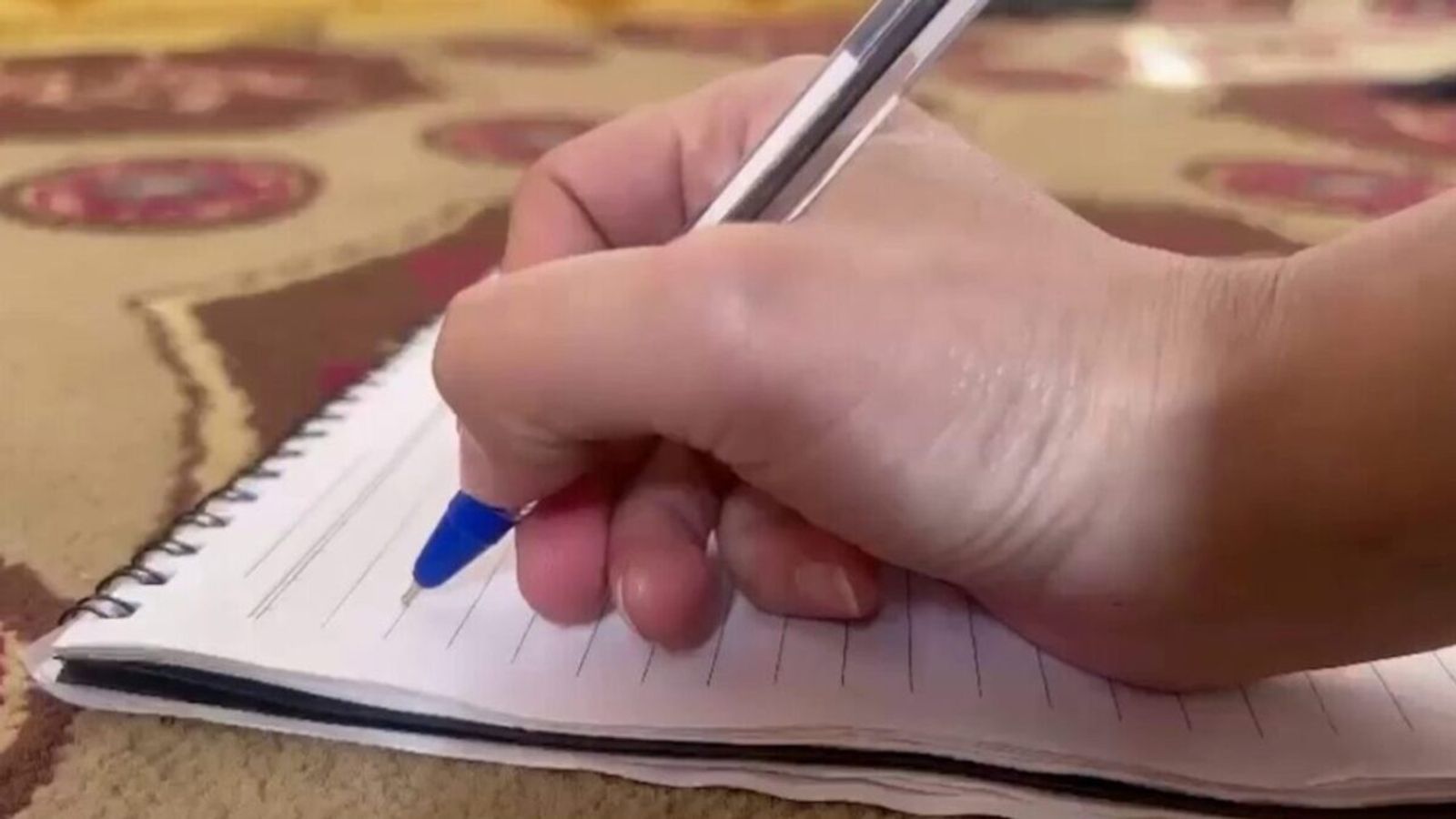
The United Nations, in a message for World Day of Social Justice, emphasized the need to combat poverty and achieve social equality, stating that social justice means equal access to quality education, decent work, and universal social protections for all.
The UN warned that people worldwide continue to face deep inequalities, and achieving social justice requires equal access to quality education, decent job opportunities, and comprehensive social support. "Around the world, people continue to grapple with deep inequalities. Social justice for all means access to quality education, decent work, and universal social protection," the statement said.
The International Labour Organization (ILO) highlighted the importance of equal access to decent jobs as a cornerstone of social justice. The ILO's Afghanistan section stated that social justice extends beyond reducing inequalities to creating a world where every person, regardless of background, can thrive and develop.
"Social justice means building a more prosperous and dynamic world where all individuals, regardless of their background, have opportunities for growth and progress. As we approach Social Justice Day, let us renew our commitment to the future," the ILO said.
In Afghanistan, the day arrives amid reports of intensified systematic suppression against women, media, and minorities by the Taliban in 2025. Women have been barred from secondary and university education as well as many job opportunities, while men retain access, according to human rights organizations, which say this has widened the gender gap and social inequalities.
A Kabul resident said: "As an ordinary Afghan citizen, we are not allowed to use our human rights. We are deprived of study and work. Social justice for women does not exist at all."
The Taliban has approved new penal regulations and principles, including dividing society into 'free and slave,' punishments based on social classification, and severe restrictions on women. The document repeatedly uses terms like 'ghulam' (slave) and 'badar/owner/malek.' It categorizes society into ulama, nobles, middle class, and lower class.
Article 4, clause 5 states: "Implementation of hudud punishments pertains to the imam, but ta'zir punishments can also be applied by husband and owner/malek." Article 15 states: "For any crime without a specified hudud, ta'zir is applied, whether the offender is free or slave."
Human rights organizations describe this as contrary to human rights principles and social justice.
Women and girls deprived of education and work said the Taliban administration has ignored their rights under the name of Sharia, with social injustice against women reaching its peak. A Farah resident said: "Today is World Social Justice Day, but there is no justice for us women and girls in Afghanistan, and injustice against us has reached its peak. We are deprived of what God has destined for us."
The Taliban maintains it does not believe in social discrimination and claims rights of all Afghans, including women, are ensured within Islamic justice. Human rights activists warn that restrictions on women's rights and existing inequalities raise serious concerns about achieving social justice in Afghanistan.
Read the original reporting at Amu TV →
Reliability assessment
Single source provides direct quotes from UN and ILO official statements, specific citations from the Taliban's penal code with article references (checkable details), and on-record quotes from named-location residents, corroborating key claims with concrete attribution.
The source language mixes facts with framing or advocacy wording. Phrases like 'systematic suppressions against women, media, and minorities by the Taliban' (سرکوبهای نظاممند), 'injustice against us has reached its peak' (بی عدالتی ... به اوج خود رسیده), and descriptions of Taliban policies as 'contrary to human rights principles' mix neutral reporting with critical emotional framing and advocacy language.
Across the newsrooms
Filed by
Amu TV
Originating
Filed under
Society — UN, ILO, World Day of Social Justice, Taliban, women's rights
Reader supported
Keep Ehtebar running
Every published story uses paid tools to translate reporting, compare sources, extract claims, and produce a clearer read on Afghanistan. Reader support helps keep that work independent.
€5
helps cover daily verification runs
€15
supports a week of source comparison
€50
keeps independent analysis moving
More in Society
Health Officials and Experts Discuss Rise in Black Jaundice Cases in Afghanistan
— Reliable
Discussion on Agricultural Products and Health Services in Samangan Province
— Reliable
WHO Report Cites Taliban Restrictions and Funding Shortfalls as Threats to Health Services in Afghanistan
— Reliable
Afghan officials report returns of families from Pakistan and Iran alongside releases from Pakistani prisons
— Reliable