
POLITICS — May 21, 2026
UNAMA Criticizes Taliban Decree on Principles of Couple Separation
UNAMA criticized a Taliban decree on couple separation for granting men unilateral divorce rights and interpreting a girl's silence at puberty as consent to marriage. Taliban spokesperson Zabihullah Mujahid rejected the criticism and said all laws are based on Sharia with consent required for marriage.
The Ehtebar Desk — originates with ToloNews — corroborated by Hasht-e Subh and Afghanistan International — 2 min read
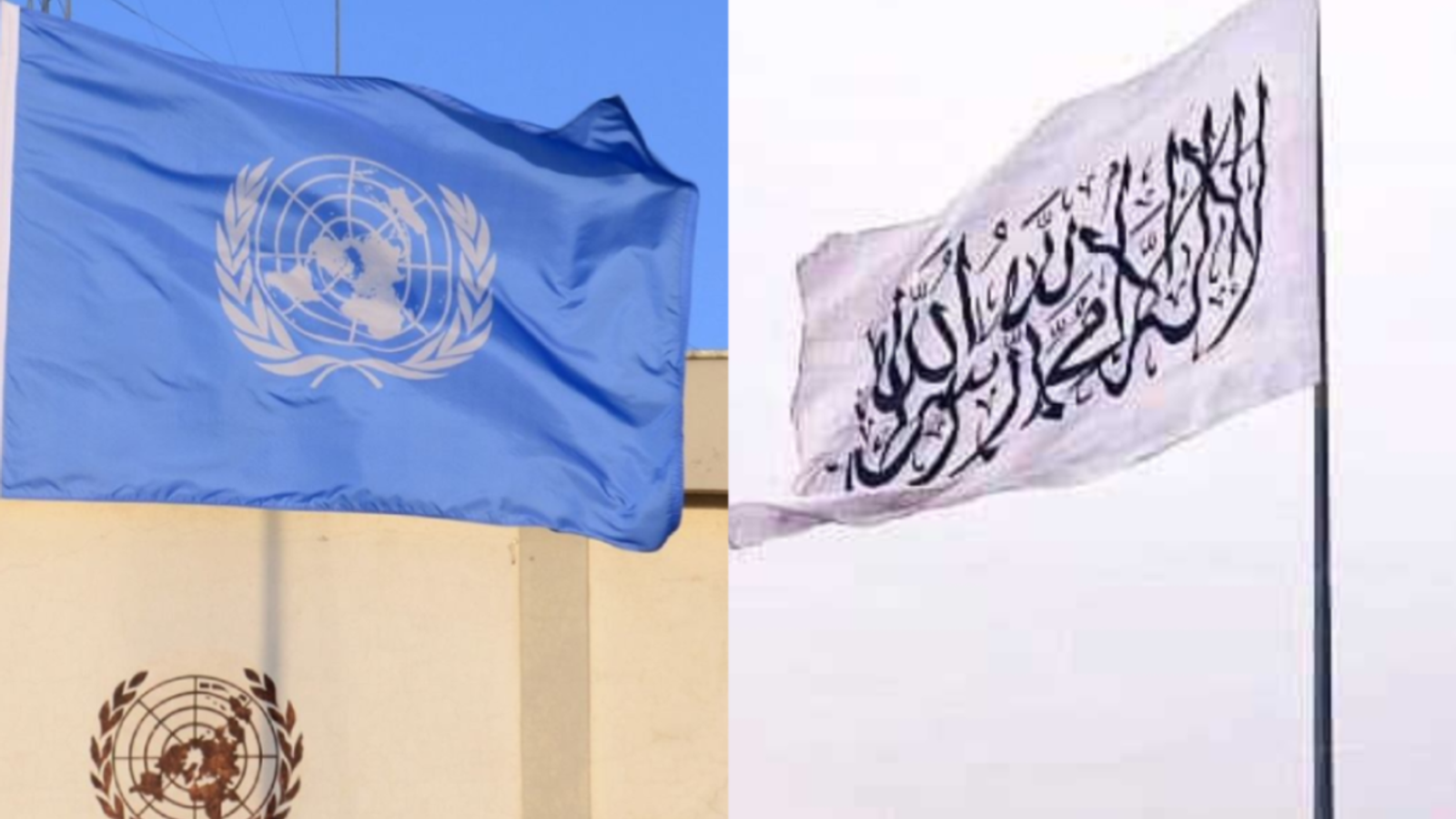
The United Nations Assistance Mission in Afghanistan has criticized a Taliban decree that sets out principles for the separation of couples. The mission described the measure as deeply unequal and said it reinforces structural discrimination against women and girls.
Decree No. 18 grants men unilateral rights to divorce while requiring women to navigate complex judicial procedures. The decree also interprets a girl's silence upon reaching puberty as consent to marriage. UNAMA said the provisions form part of a broader pattern of restrictions imposed since 2021 that have limited girls' education, women's economic participation, and access to justice.
Taliban spokesperson Zabihullah Mujahid rejected the criticisms. He stated that all laws are based on Islamic Sharia and highlighted a separate ruling from the leadership that requires a girl's consent for marriage.
Read the original reporting at ToloNews →
Reliability assessment
3 independent sources corroborate the core event of UNAMA criticizing the Taliban decree on couple separation and child marriage, with consistent details on discrimination and broader rights restrictions; Taliban rejection is corroborated by named spokesperson in 2 sources. Minor variations are in depth of reporting, not the existence of the statements.
The source language mixes facts with framing or advocacy wording. Afghanistan International: "deeply unequal", "deeply concerning path that leads to the erosion of the rights", "institutionalizes discrimination" — these phrases frame the decree with strong negative value judgments and advocacy language portraying it as inherently oppressive rather than neutrally reporting its content.; Hasht-e Subh: "deeply concerning trend", "deeply unequal framework", "gradually being weakened" - these phrases frame the Taliban's actions with negative emotional judgment and advocacy for women's rights.; ToloNews: "further institutionalizes the violation of the rights of women and girls", "destroyed opportunities for millions of women and girls", "intensified poverty" - these phrases use strong negative framing and opinion language to portray the decree's impacts as unequivocally harmful without presenting counter-evidence.
Across the newsrooms
Where reports agree
- UNAMA criticized the Taliban decree for institutionalizing discrimination and undermining women's rights in marriage, divorce, and consent.
- The decree is viewed by UNAMA as continuing a pattern of restrictions on Afghan women and girls since 2021, including education bans.
- Taliban officials rejected the criticisms as unfounded and asserted that laws comply with Sharia and require consent in marriage.
Where reports differ
- Level of detail on child marriage provisions: Afghanistan International and Hasht-e Subh report UNAMA's concern that silence equals consent and endorses child marriage, while ToloNews emphasizes Taliban claims of a separate consent requirement without directly addressing the silence provision.
- Specific document details such as page count and exact penalties for abuse appear only in Afghanistan International.
Filed by 3 outlets
ToloNews
Originating
Framed
Framed
Hasht-e Subh
Framed
Framed
Afghanistan International
Framed
Framed
Filed under
Politics — UNAMA, Taliban, Women's Rights, Child Marriage, Decree No. 18
Reader supported
Keep Ehtebar running
Every published story uses paid tools to translate reporting, compare sources, extract claims, and produce a clearer read on Afghanistan. Reader support helps keep that work independent.
€5
helps cover daily verification runs
€15
supports a week of source comparison
€50
keeps independent analysis moving
More in Politics

Islamic Emirate Leader Orders 21 New Appointments Across Government Posts
— Reliable

Discussion Held on Presenting Achievements of Government Program in Media
— Reliable

Supreme Court of the Islamic Emirate of Afghanistan Outlines Judicial Reforms and Achievements
— Unverified

Ministry of Information and Culture of the Islamic Emirate of Afghanistan Announces Annual Activities and Achievements
— Reliable