
SOCIETY — March 11, 2026
UNAMA says poppy cultivation shifted from southwest to northeast Afghanistan
UNAMA's quarterly report details a shift in poppy cultivation, worsening conditions in former growing areas, rising human rights violations including corporal punishments and arbitrary detentions by the Taliban, and a 27.8% increase in security incidents.
The Ehtebar Desk — originates with Afghanistan International — 2 min read
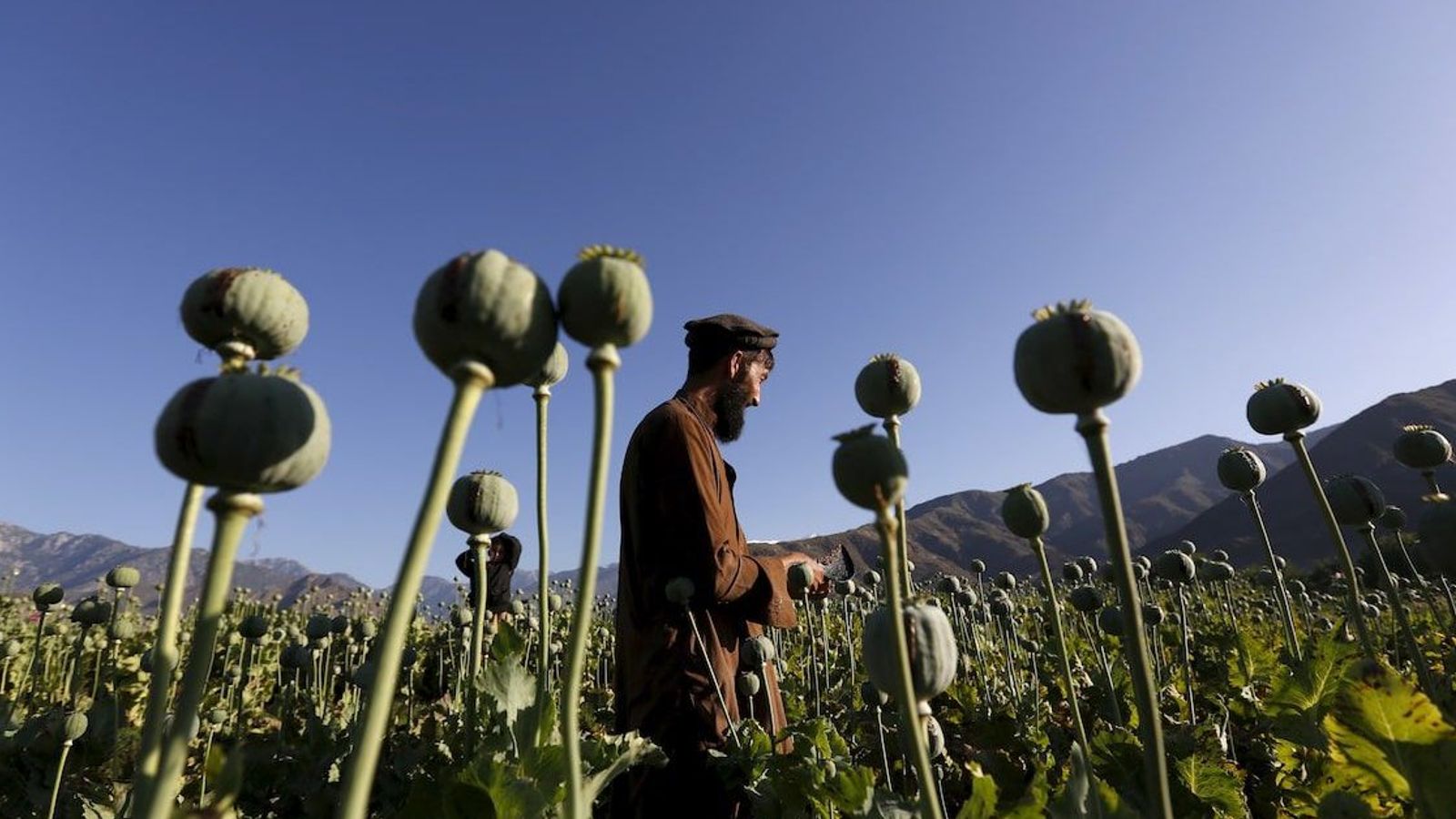
The United Nations Assistance Mission in Afghanistan (UNAMA) stated in its quarterly report that poppy cultivation has shifted from southwest to northeast Afghanistan. It noted that economic and social conditions in former poppy-growing villages have worsened, with a shift to grain farming improving food access but failing to offset income losses. Agricultural support remains limited, covering only 12% of former poppy villages. From November 2025 to January 2026, aid reached 4,679 families for irrigation, crops, and livestock, while UN support extended to 24 drug treatment centers. UNAMA reported discussions with the Taliban and experts on poppy cultivation and alternative livelihoods.
On human rights, UNAMA documented 12 killings by Taliban members or unidentified individuals, 29 arbitrary detentions, and six cases of torture or ill-treatment against former government military personnel, many of whom were returning migrants. It recorded at least 316 corporal punishments by the Taliban, affecting 30 women, 281 men, one girl, and four boys, primarily for fleeing home, homosexuality, alcohol consumption, or gambling. The Taliban reported approximately 17,000 prisoners convicted by their courts, with pre-trial detainees uncounted.
UNAMA noted arbitrary arrests for social media posts opposing Taliban views, warnings to bookstores against selling banned books, and requirements for pre-publication approval. A ban on broadcasting live images expanded to 25 provinces, including recent additions of Herat, Parwan, and Uruzgan. At least 26 civilians died from unexploded ordnance, including six men, one woman, three girls, and 16 boys. A monitoring group confirmed 300 child rights violations, including 49 girls, with 75% involving killings, amputations, or school attacks.
Women's access to justice has deteriorated, with Taliban in some provinces denying services to women not adhering to preferred dress codes. Security incidents rose 27.8% to 2,660 events from November 2025 to January 2026. Anti-Taliban groups, including the National Resistance Front, National Mobilization Front, Islamic Movement for Freedom of Afghan People, and Freedom Front, claimed 36 incidents, 14 verified, involving shootings at posts and convoys, rockets, and grenades. ISIS claimed an attack on a Chinese restaurant in Kabul.
Read the original reporting at Afghanistan International →
Reliability assessment
Single source reporting UNAMA's official quarterly report with direct attribution, specific numbers, dates, locations, and detailed breakdowns of incidents.
The source language reads straight.
Across the newsrooms
Filed by
Afghanistan International
Originating
Filed under
Society — UNAMA, Taliban, poppy cultivation, human rights violations, security incidents
Reader supported
Keep Ehtebar running
Every published story uses paid tools to translate reporting, compare sources, extract claims, and produce a clearer read on Afghanistan. Reader support helps keep that work independent.
€5
helps cover daily verification runs
€15
supports a week of source comparison
€50
keeps independent analysis moving
More in Society
Health Officials and Experts Discuss Rise in Black Jaundice Cases in Afghanistan
— Reliable

Discussion on Agricultural Products and Health Services in Samangan Province
— Reliable
WHO Report Cites Taliban Restrictions and Funding Shortfalls as Threats to Health Services in Afghanistan
— Reliable
Afghan officials report returns of families from Pakistan and Iran alongside releases from Pakistani prisons
— Reliable