
SOCIETY — February 20, 2026
UNAMA: Social Justice in Afghanistan Requires Education and Inclusive Participation
UNAMA stated on World Day of Social Justice that Afghanistan cannot achieve equity without universal education access, especially secondary schooling for half the population, and inclusive participation by women, youth, and marginalized groups. Reports highlighted ongoing restrictions on girls' education and a new Taliban penal code permitting domestic violence.
The Ehtebar Desk — originates with Hasht-e Subh — corroborated by Amu TV — 2 min read
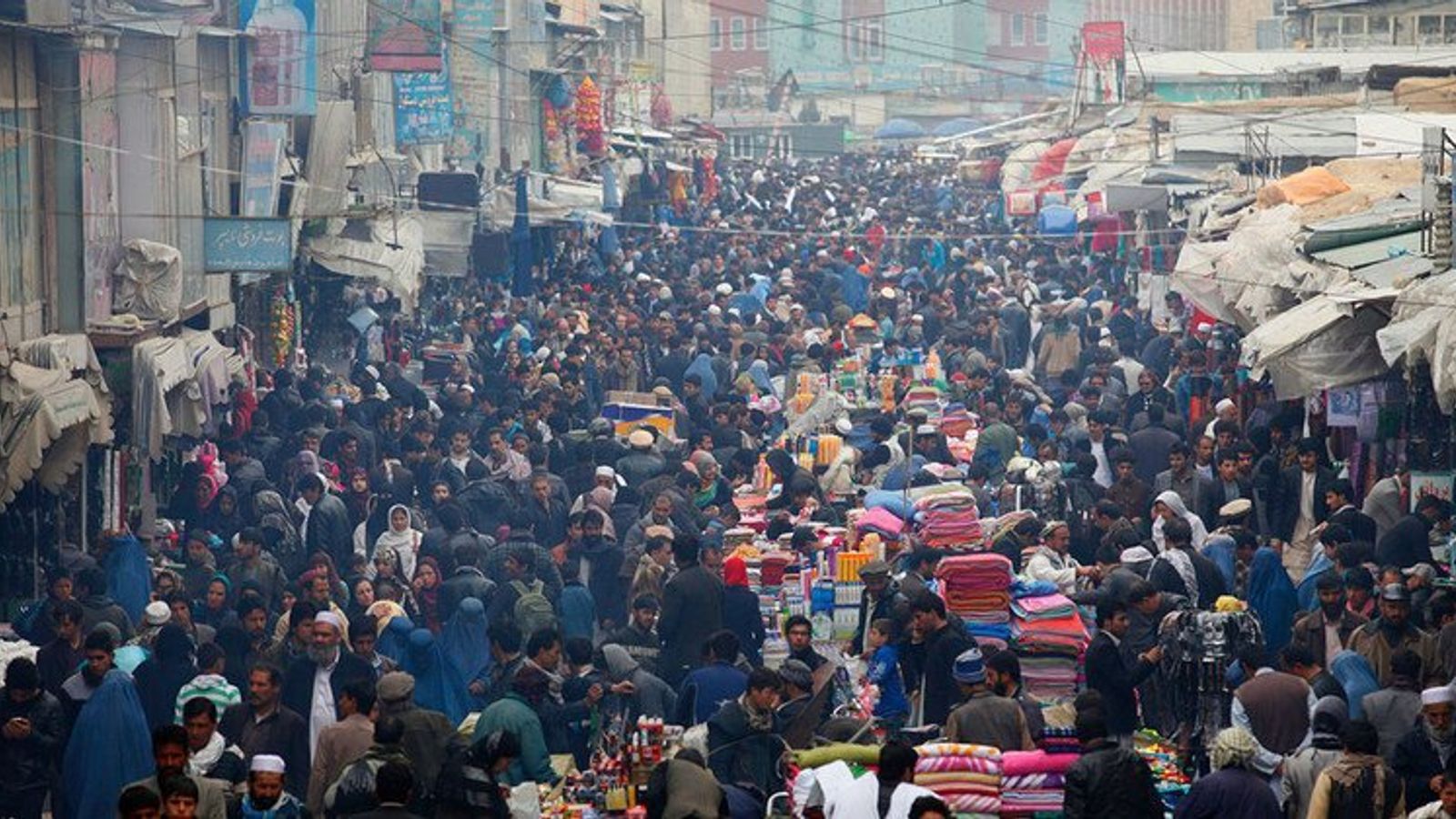
The UN Assistance Mission in Afghanistan (UNAMA) marked World Day of Social Justice by stating that equal job opportunities, family support, universal access to education, and broad participation in decision-making are prerequisites for social justice in the country.
In a message, UNAMA emphasized that every Afghan citizen has the right to work without discrimination and with human dignity, while earning income. It called for supporting families through humanitarian aid and alternative livelihood opportunities. UNAMA stressed that no country can achieve social justice if half of its population is deprived of secondary education, a situation directly linked to Afghanistan.
The mission further highlighted that lasting peace will only be realized through inclusive dialogue involving women, youth, ethnic groups, and persons with disabilities in decision-making processes. World Day of Social Justice is observed annually to promote equality, combat discrimination, and strengthen social solidarity.
Hasht-e Subh reported that for over four years, universities and schools have been closed to girls, with women and girls systematically excluded from society. It also noted that Taliban leader Hibatullah Akhundzada issued a new 60-page penal code that legalizes wife-beating by husbands, which it described as contradicting social justice.
Read the original reporting at Hasht-e Subh →
Reliability assessment
Two independent sources (Amu TV and Hasht-e Subh) corroborate UNAMA's official statement released on its Facebook page, including direct quotes on key prerequisites for social justice, education deprivation, and inclusive participation, with concrete attribution to a named entity on a specific date.
The source language mixes facts with framing or advocacy wording. Hasht-e Subh employs charged phrasing such as 'women and girls have been systematically excluded from society' (advocacy framing of exclusion) and 'legalizes wife-beating by husbands; what is practically in contradiction with social justice' (interpretive judgment linking policy to injustice).
Across the newsrooms
Filed by 2 outlets
Hasht-e Subh
Originating
Amu TV
Filed under
Society — UNAMA, social justice, women's education, Afghanistan, Taliban
Reader supported
Keep Ehtebar running
Every published story uses paid tools to translate reporting, compare sources, extract claims, and produce a clearer read on Afghanistan. Reader support helps keep that work independent.
€5
helps cover daily verification runs
€15
supports a week of source comparison
€50
keeps independent analysis moving
More in Society
Health Officials and Experts Discuss Rise in Black Jaundice Cases in Afghanistan
— Reliable
Discussion on Agricultural Products and Health Services in Samangan Province
— Reliable
WHO Report Cites Taliban Restrictions and Funding Shortfalls as Threats to Health Services in Afghanistan
— Reliable
Afghan officials report returns of families from Pakistan and Iran alongside releases from Pakistani prisons
— Reliable