
SOCIETY — March 26, 2026
UNESCO Reports 273 Million Children and Adolescents Out of School Worldwide for Seventh Consecutive Year
UNESCO announced that 273 million children and adolescents are out of school worldwide for the seventh straight year due to population growth, crises and budget cuts, affecting one in six school-age children. Despite school closures from Middle East tensions, global enrollment has risen 30 percent since 2000.
The Ehtebar Desk — originates with Pajhwok — corroborated by Hasht-e Subh — 2 min read
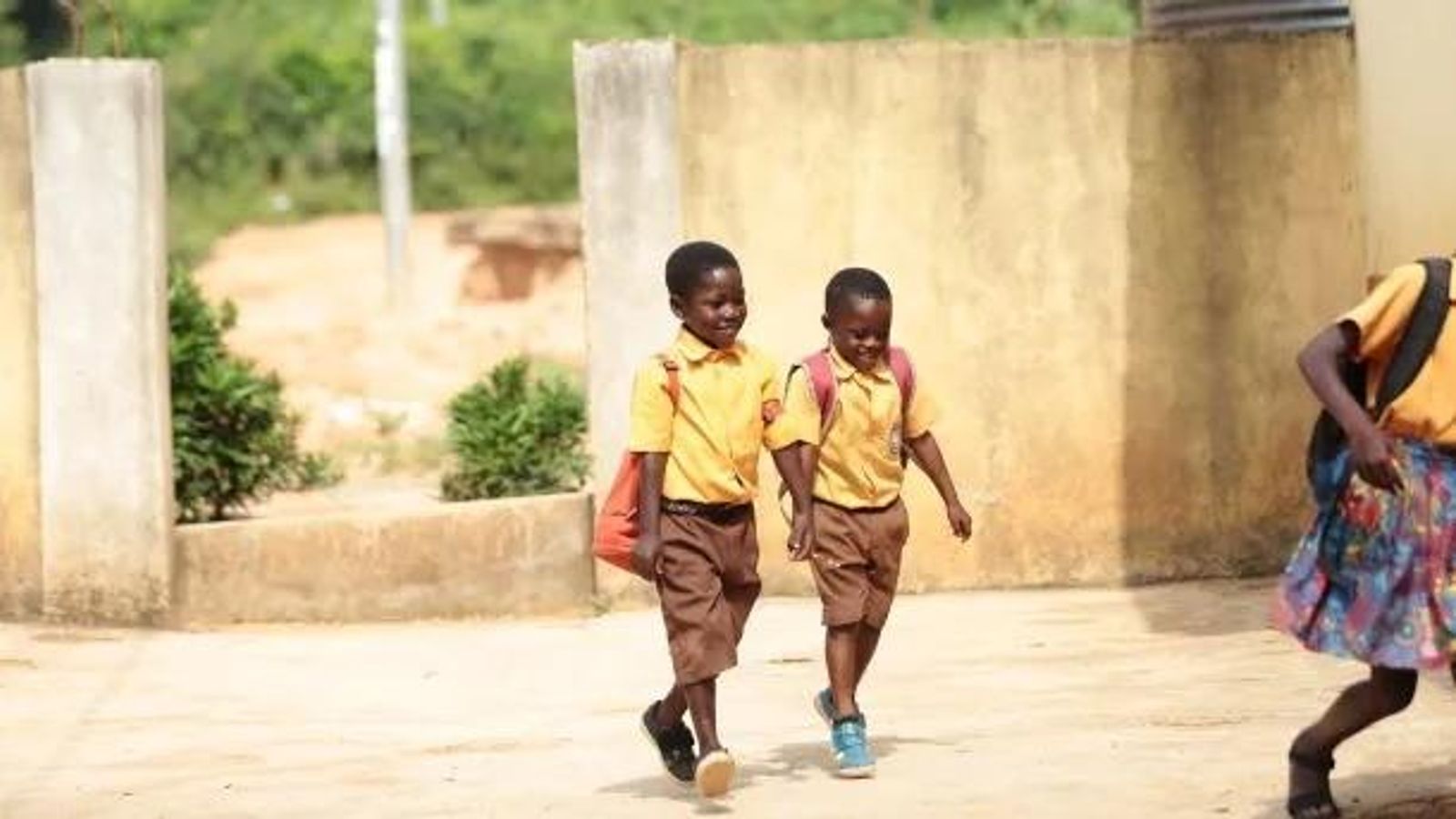
The United Nations Educational, Scientific and Cultural Organization (UNESCO) reported that 273 million children and adolescents worldwide are out of school, marking the seventh consecutive year of increase.
The figure means one in every six school-age children is deprived of education, with only two out of every three secondary school students completing their studies. UNESCO cited population growth, crises, wars and reduced education budgets as the main causes.
The organization warned that regional crises, especially tensions in the Middle East, have led to school closures depriving millions of children of schooling. More than one-sixth of children live in conflict-affected areas, further limiting access to education, according to the 2026 Global Education Monitoring Report.
Despite the challenges, UNESCO noted progress since 2000, with primary and secondary school enrollment rising 30 percent to 1.4 billion students. Gender gaps have narrowed in many countries, and completion rates have improved: from 77 percent to 88 percent for primary education, 60 percent to 78 percent for lower secondary, and 37 percent to 61 percent for upper secondary.
Hasht-e Subh reported UNESCO highlighting significant reductions in out-of-school rates in countries including Madagascar, Togo, Morocco, Vietnam, Georgia and Turkey.
Read the original reporting at Pajhwok →
Reliability assessment
2 independent sources corroborate the core event of UNESCO's report on 273 million out of school with highly consistent details from a named organization (UNESCO) providing concrete figures.
The source language reads straight.
Across the newsrooms
Where reports agree
- UNESCO reports 273 million out of school for seventh consecutive year
- One in six school-age children out of school
- Two-thirds of secondary students complete education
- Causes: population growth, crises, reduced budgets
- Middle East crises causing school closures
- 30% increase in primary/secondary enrollment since 2000
Where reports differ
- Hasht-e Subh lists specific countries (Madagascar, Togo, Morocco, Vietnam, Georgia, Turkey) reducing out-of-school rates; Pajhwok provides detailed completion rate stats and 1.4 billion enrolled without naming countries
- Pajhwok specifies 2026 GEM Report and >1/6 children in conflict areas; Hasht-e Subh does not
Filed by 2 outlets
Pajhwok
Originating
Reported straight
Reported straight
Hasht-e Subh
Reported straight
Reported straight
Filed under
Society — UNESCO, out-of-school children, global education, Middle East, enrollment progress
Reader supported
Keep Ehtebar running
Every published story uses paid tools to translate reporting, compare sources, extract claims, and produce a clearer read on Afghanistan. Reader support helps keep that work independent.
€5
helps cover daily verification runs
€15
supports a week of source comparison
€50
keeps independent analysis moving
More in Society

Health Officials and Experts Discuss Rise in Black Jaundice Cases in Afghanistan
— Reliable

Discussion on Agricultural Products and Health Services in Samangan Province
— Reliable
WHO Report Cites Taliban Restrictions and Funding Shortfalls as Threats to Health Services in Afghanistan
— Reliable

Afghan officials report returns of families from Pakistan and Iran alongside releases from Pakistani prisons
— Reliable