INTERNATIONAL — March 19, 2026
UNHCR Warns Escalating Tensions in Iran and Pakistan Worsen Afghanistan Humanitarian Crisis
The UNHCR warned that escalating tensions in Iran and Pakistan are worsening Afghanistan's humanitarian crisis, with millions affected by food shortages, displacement and poverty amid migrant returns and aid disruptions. Spokesperson Babar Baloch highlighted over five million returnees, 100,000 newly displaced from Pakistan-Taliban clashes, restrictions on women and funding shortfalls.
The Ehtebar Desk — originates with Amu TV — 2 min read
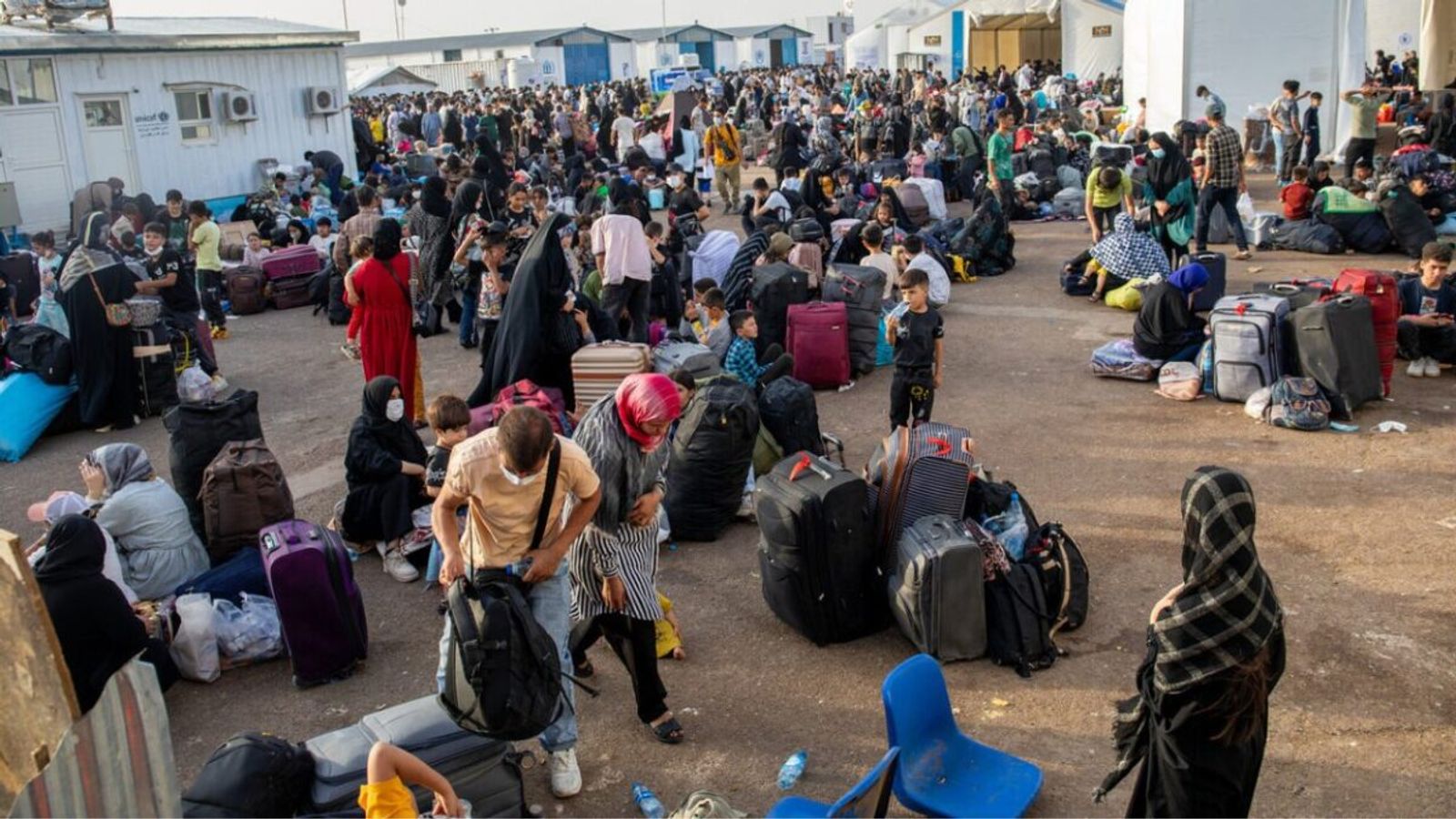
The UN High Commissioner for Refugees has warned that rising tensions and conflicts in Iran and Pakistan are severely aggravating Afghanistan's humanitarian situation, leaving millions facing food shortages, displacement and poverty.
Babar Baloch, spokesperson for the agency, described the situation as "very alarming" in an interview with UN News. He noted that Afghanistan, already grappling with deep humanitarian crises, now faces additional pressures from intensified conflicts in neighboring countries.
Baloch stated that more than five million migrants have returned to Afghanistan from Iran and Pakistan in recent years, many of them forcibly deported. Amid escalating tensions in Iran, thousands more have entered the country, which he described as a "transfer from one crisis to another."
The agency highlighted that food shortages and disruptions in aid delivery have compounded the challenges. Closures of border routes, particularly along the Afghanistan-Pakistan border, have restricted aid agencies' access to vulnerable areas and led to rising malnutrition levels.
Additionally, recent clashes between Pakistan and the Taliban have newly displaced over 100,000 people.
The situation for women and girls remains a key concern, with restrictions imposed by Afghanistan's rulers limiting their access to education, work and freedom of movement. According to the UNHCR, these measures place them under "double pressure."
The UN has warned of a severe funding shortfall hampering humanitarian assistance. It requested more than $400 million for 2026 to address the situation in Afghanistan, Iran and Pakistan, but the funding remains critically short. The agency cautioned that expanding regional instability could have broader consequences for humanitarian conditions across multiple countries.
Read the original reporting at Amu TV →
Reliability assessment
Single source (Amu TV) provides direct, on-record attribution to named UNHCR spokesperson Babar Baloch via UN News interview, with concrete checkable details including migrant numbers (>5 million returns, thousands more from Iran, 100k displaced), funding request ($400M), and specific issues like border closures and women's restrictions.
The source language reads straight.
Across the newsrooms
Filed by
Amu TV
Originating
Reported straight
Reported straight
Filed under
International — UNHCR, Babar Baloch, Afghanistan humanitarian crisis, Iran, Pakistan
Reader supported
Keep Ehtebar running
Every published story uses paid tools to translate reporting, compare sources, extract claims, and produce a clearer read on Afghanistan. Reader support helps keep that work independent.
€5
helps cover daily verification runs
€15
supports a week of source comparison
€50
keeps independent analysis moving