
SOCIETY — June 14, 2026
UNICEF Praises Mothers in Afghanistan as Heroes of Their Communities
Highlighting their essential roles in education, health and caregiving, the agency noted the acute humanitarian needs facing more than 21 million Afghans including over 10 million women and girls, along with high rates of malnutrition among mothers and elevated maternal mortality.
The Ehtebar Desk — originates with Amu TV — 2 min read
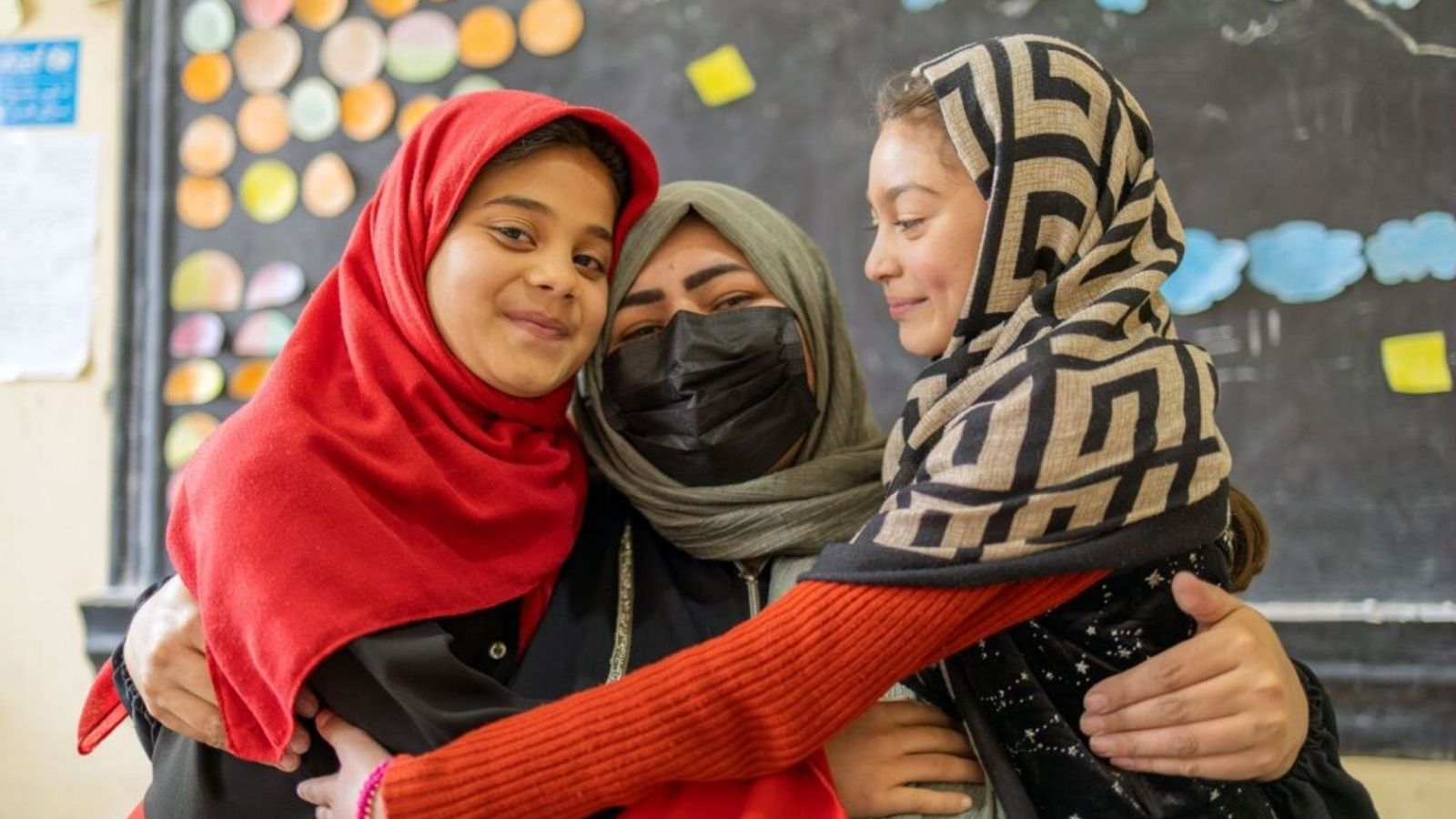
UNICEF has described mothers in Afghanistan as heroes and key pillars of their communities. The organization made the statement on Mother's Day, emphasizing the significant roles mothers play in education, health, and caregiving for their families and society.
This message was shared via a post on the X platform on 24 Jawza. It comes at a time when Afghanistan is experiencing a severe economic crisis that has left many families struggling.
According to available data, 21.9 million Afghans, including over 10.7 million women and girls, are in need of humanitarian aid this year. The situation is particularly dire for women and children, with many facing limited access to basic services.
The United Nations Population Fund has highlighted that approximately 1.2 million pregnant and breastfeeding women are suffering from acute malnutrition. This is due in part to reductions in aid and restrictions placed on women working in the health sector.
Additionally, the World Bank has reported a maternal mortality rate of 521 per 100,000 live births in the country. Such figures underscore the difficult conditions under which mothers are raising their children.
Over the past nearly five years, the Taliban have implemented wide-ranging restrictions on women's education, work, and social activities. Human rights institutions have referred to these policies as gender apartheid, noting their impact on the lives of women and girls across Afghanistan.
Mothers continue to serve as central figures in their communities despite these obstacles.
Read the original reporting at Amu TV →
Reliability assessment
Single source provides direct, on-record attribution to UNICEF's public X post and specific statistics from named organizations (OCHA, UNFPA, World Bank) with concrete figures and dates.
The source language mixes facts with framing or advocacy wording. Amu TV: "gender apartheid", "extensive restrictions", "increasing restrictions" — these phrases frame the Taliban's policies with strong negative judgment and align with activist terminology, mixing factual reporting with advocacy language.
Across the newsrooms
Filed by
Amu TV
Originating
Framed
Framed
Filed under
Society — UNICEF, Mothers Day, Humanitarian Crisis, Taliban, Women's Rights
Reader supported
Keep Ehtebar running
Every published story uses paid tools to translate reporting, compare sources, extract claims, and produce a clearer read on Afghanistan. Reader support helps keep that work independent.
€5
helps cover daily verification runs
€15
supports a week of source comparison
€50
keeps independent analysis moving
More in Society
Health Officials and Experts Discuss Rise in Black Jaundice Cases in Afghanistan
— Reliable
Discussion on Agricultural Products and Health Services in Samangan Province
— Reliable
WHO Report Cites Taliban Restrictions and Funding Shortfalls as Threats to Health Services in Afghanistan
— Reliable
Afghan officials report returns of families from Pakistan and Iran alongside releases from Pakistani prisons
— Reliable