
SOCIETY — March 26, 2026
UNICEF Urges Reopening of Girls' Schools in Afghanistan
UNICEF urged Afghanistan to reopen schools for girls, with regional director Sanjay Wijesekera stating on X that prolonged restrictions harm their future and dignity. The appeal highlights ongoing Taliban bans on girls' secondary education and universities amid a humanitarian crisis.
The Ehtebar Desk — originates with Khaama Press — corroborated by Hasht-e Subh and Afghanistan International — 2 min read
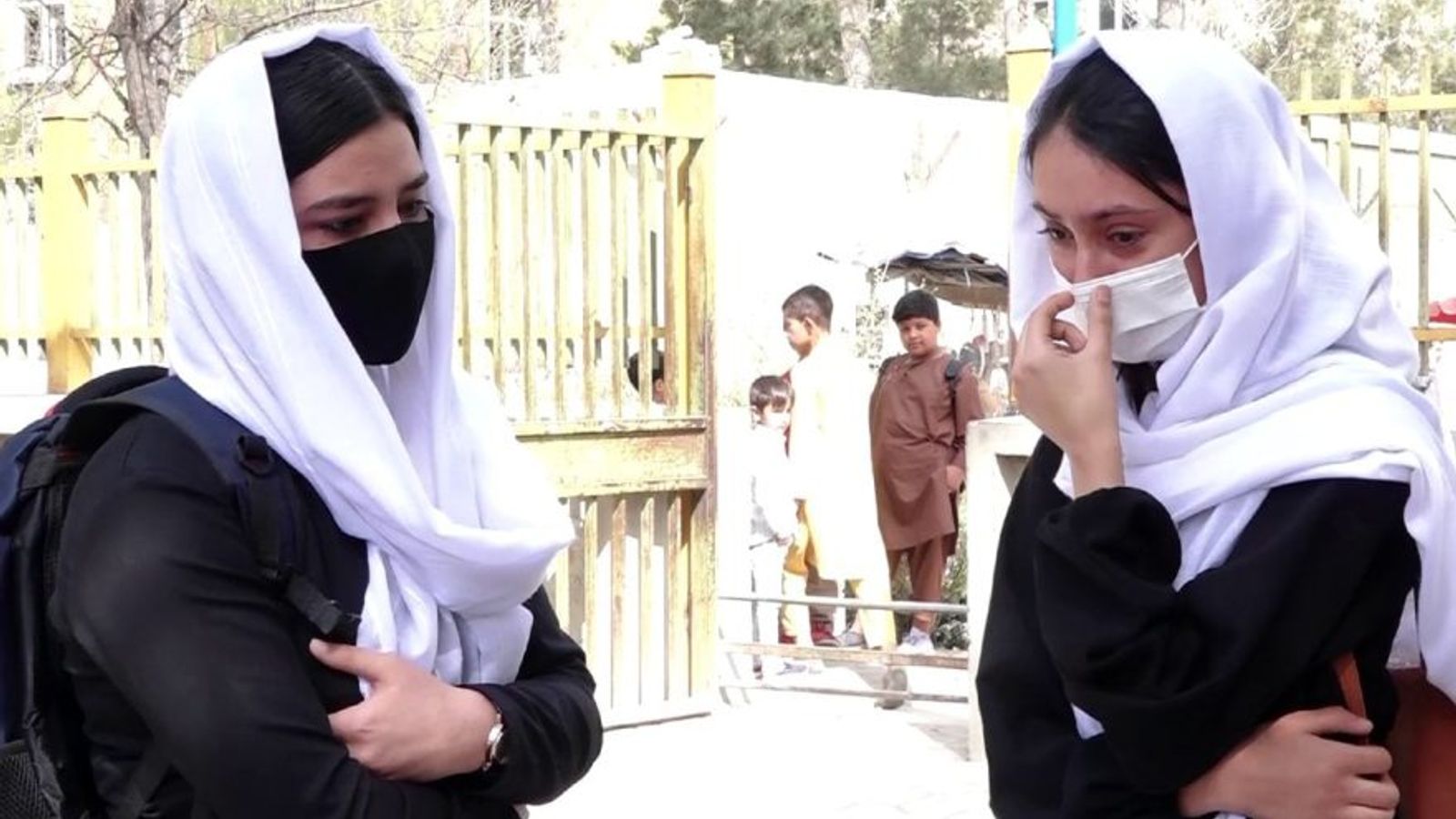
UNICEF on Thursday urged Afghanistan to reopen schools for girls, stating that prolonged education restrictions are harming their future, dignity and the country's development.
UNICEF's regional director for South Asia, Sanjay Wijesekera, wrote on X that "it is time for school doors to reopen because hope, dignity and the future begin with education." He said girls in Afghanistan have waited far too long and that the return of school should bring hope to everyone.
UNICEF has repeatedly stressed that education is a basic right and a foundation for children's future and society's long-term development. International organizations have warned that prolonged exclusion from education could have lasting effects on girls' health, safety and future employment opportunities.
The appeal comes amid Afghanistan's deep humanitarian crisis, with millions dependent on aid, rising poverty and widespread uncertainty over the country's future.
Since the Taliban returned to power, girls have been barred from secondary schools and universities, leaving a generation of young women cut off from formal education. The restrictions have extended beyond classrooms, with many women facing limits on employment in public institutions, NGOs and other sectors, worsening household hardship.
Aid groups say the combined impact of school, university and job restrictions has harmed women's rights and weakened Afghanistan's social and economic recovery.
UNICEF's call adds to growing international pressure on the Taliban, though many Afghan girls continue to wait for education and opportunity with no clear end in sight.
Read the original reporting at Khaama Press →
Reliability assessment
Named UNICEF regional director Sanjay Wijesekera made an on-record public statement on X urging reopening of girls' schools in Afghanistan; this is directly attributable and corroborated by three independent outlets (Khaama Press, Hasht-e Subh, Afghanistan International). The core verifiable event is the statement itself, which meets the threshold for reliable regardless of topic sensitivity.
The source language mixes facts with framing or advocacy wording. Khaama Press: "girls in Afghanistan have waited far too long" (mild emotional framing implying undue delay); "leaving a generation of young women cut off from formal education" (advocacy phrasing with dramatic imagery of isolation); "no clear end in sight" (pessimistic outlook emphasizing ongoing hardship).
Independent web corroboration
An independent web search turned up no separate corroborating reports. Treat the account as single-sourced until more outlets pick it up.
Across the newsrooms
Where reports agree
- UNICEF, via named official Sanjay Wijesekera, called for reopening girls' schools in Afghanistan
- Ongoing Taliban restrictions bar girls from secondary education and universities
- Restrictions impact women's employment and Afghanistan's recovery
Filed by 3 outlets
Khaama Press
Originating
Framed
Framed
Hasht-e Subh
Reported straight
Reported straight
Afghanistan International
Framed
Framed
Filed under
Society — UNICEF, girls' education, Taliban restrictions, Sanjay Wijesekera, Afghanistan humanitarian crisis
Reader supported
Keep Ehtebar running
Every published story uses paid tools to translate reporting, compare sources, extract claims, and produce a clearer read on Afghanistan. Reader support helps keep that work independent.
€5
helps cover daily verification runs
€15
supports a week of source comparison
€50
keeps independent analysis moving
More in Society
Health Officials and Experts Discuss Rise in Black Jaundice Cases in Afghanistan
— Reliable
Discussion on Agricultural Products and Health Services in Samangan Province
— Reliable
WHO Report Cites Taliban Restrictions and Funding Shortfalls as Threats to Health Services in Afghanistan
— Reliable
Afghan officials report returns of families from Pakistan and Iran alongside releases from Pakistani prisons
— Reliable