INTERNATIONAL — April 8, 2026
US and Iran Agree to Two-Week Ceasefire Mediated by Pakistan
The United States and Iran have reached a two-week ceasefire agreement mediated by Pakistan, with U.S. President Donald Trump accepting Iran's 10-point plan and Iran conditioning the deal on reopening the Strait of Hormuz. Iranian officials including Foreign Minister Abbas Araqchi and Supreme Leader Mojtaba Khamenei were involved in the final negotiations.
The Ehtebar Desk — originates with Khaama Press — corroborated by Amu TV, Ariana News and Hurriyat — 2 min read
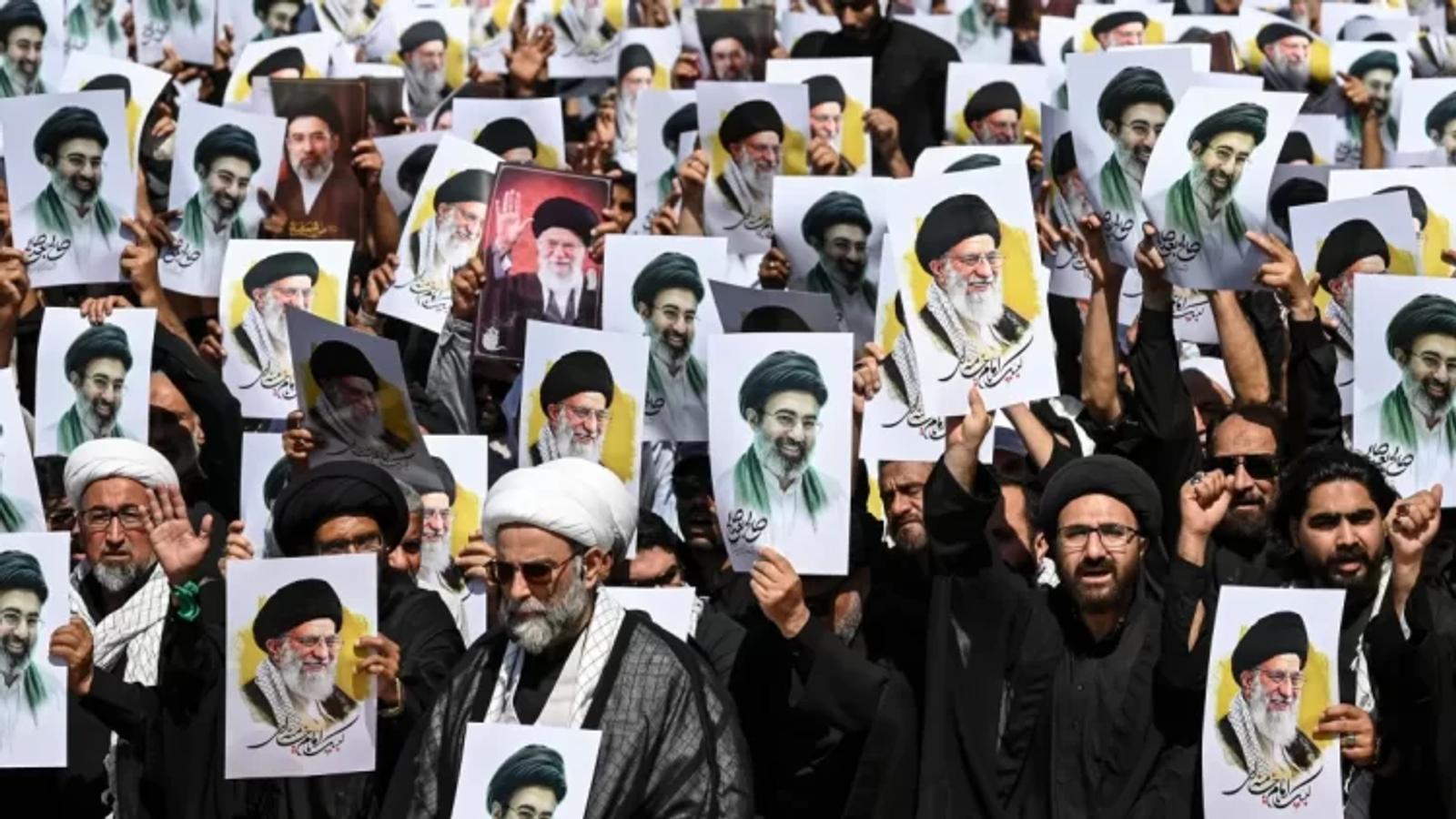
The United States and Iran have agreed to a two-week ceasefire, with Pakistan mediating the deal involving Prime Minister Shehbaz Sharif and army chief Asim Munir.
U.S. President Donald Trump accepted Iran's 10-point plan as the basis for the agreement, reached less than two hours before his deadline for attacks. Iran's Supreme National Security Council confirmed acceptance of the ceasefire, conditional on the U.S. halting its strikes. Iranian Foreign Minister Abbas Araqchi played a key role in persuading Islamic Revolutionary Guard Corps commanders.
According to an Axios report cited by Khaama Press, Iran's new Supreme Leader Mojtaba Khamenei oversaw the final stages of the negotiations through backchannel diplomacy.
Ariana News reported that Iran agreed to reopen the Strait of Hormuz as part of the de-escalation effort. Hurriyat noted Trump's acceptance of Tehran's proposal amid reactions from U.S. academics, former officials and Israeli leaders labeling it a strategic defeat for the U.S., while Iranian media declared victory. The United Nations and several countries welcomed the pause in hostilities.
The agreement aims to reduce escalating regional tensions, with expectations of upcoming talks to address unresolved issues.
Read the original reporting at Khaama Press →
Reliability assessment
Core claim of US-Iran ceasefire agreement mediated by Pakistan corroborated by 4 Afghan outlets (Khaama Press, Amu TV, Ariana News, Hurriyat); includes named officials and entities (Trump, Araqchi, Supreme National Security Council) with on-record attributions.
The source language mixes facts with framing or advocacy wording. Hurriyat: "strategic defeat" (repeated in title and body, frames the event as a clear loss); "biggest failure since Vietnam" and "biggest humiliation in US history" (hyperbolic judgments from quotes, presented prominently to emphasize US weakness).
Across the newsrooms
Where reports agree
- US-Iran two-week ceasefire agreement reached around April 8, 2026
- Donald Trump publicly involved/threatened attacks but agreed to pause
- Pakistan acted as mediator with Shehbaz Sharif confirming
- Ceasefire linked to Strait of Hormuz and de-escalation
- Iranian officials like Abbas Araqchi involved in diplomacy
Where reports differ
- Specific terms: '10-point plan/proposal' (Hurriyat, Khaama) vs. 'conditional Strait reopening' (Ariana)
- Framing: US strategic defeat/victory for Iran (Hurriyat) vs. mutual de-escalation (Ariana, Khaama)
- Iranian leadership involvement: Mojtaba Khamenei key (Khaama only) vs. Supreme National Security Council (Ariana only)
- Reactions: extensive US/Israeli critics (Hurriyat) not in others
Filed by 4 outlets
Khaama Press
Originating
Reported straight
Reported straight
Amu TV
Reported straight
Reported straight
Ariana News
Reported straight
Reported straight
Hurriyat
Framed
Framed
Filed under
International — Iran, United States, Ceasefire, Pakistan, Strait of Hormuz
Reader supported
Keep Ehtebar running
Every published story uses paid tools to translate reporting, compare sources, extract claims, and produce a clearer read on Afghanistan. Reader support helps keep that work independent.
€5
helps cover daily verification runs
€15
supports a week of source comparison
€50
keeps independent analysis moving