INTERNATIONAL — April 6, 2026
US and Iran Receive Pakistan-Backed Ceasefire Proposals as Tehran Rejects Temporary Strait of Hormuz Reopening
The US and Iran have received Pakistan-backed two-phase ceasefire proposals, but Tehran rejects reopening the Strait of Hormuz for a temporary truce. President Trump has threatened attacks if no agreement is reached by Tuesday amid the ongoing conflict.
The Ehtebar Desk — originates with Khaama Press — corroborated by RTA and Amu TV — 2 min read
WASHINGTON/TEHRAN (Afghan Verified) -- The United States and Iran have received Pakistan-backed ceasefire proposals outlining a two-phase plan that includes an immediate ceasefire followed by a comprehensive agreement, according to reports from Reuters cited by Afghan outlets.
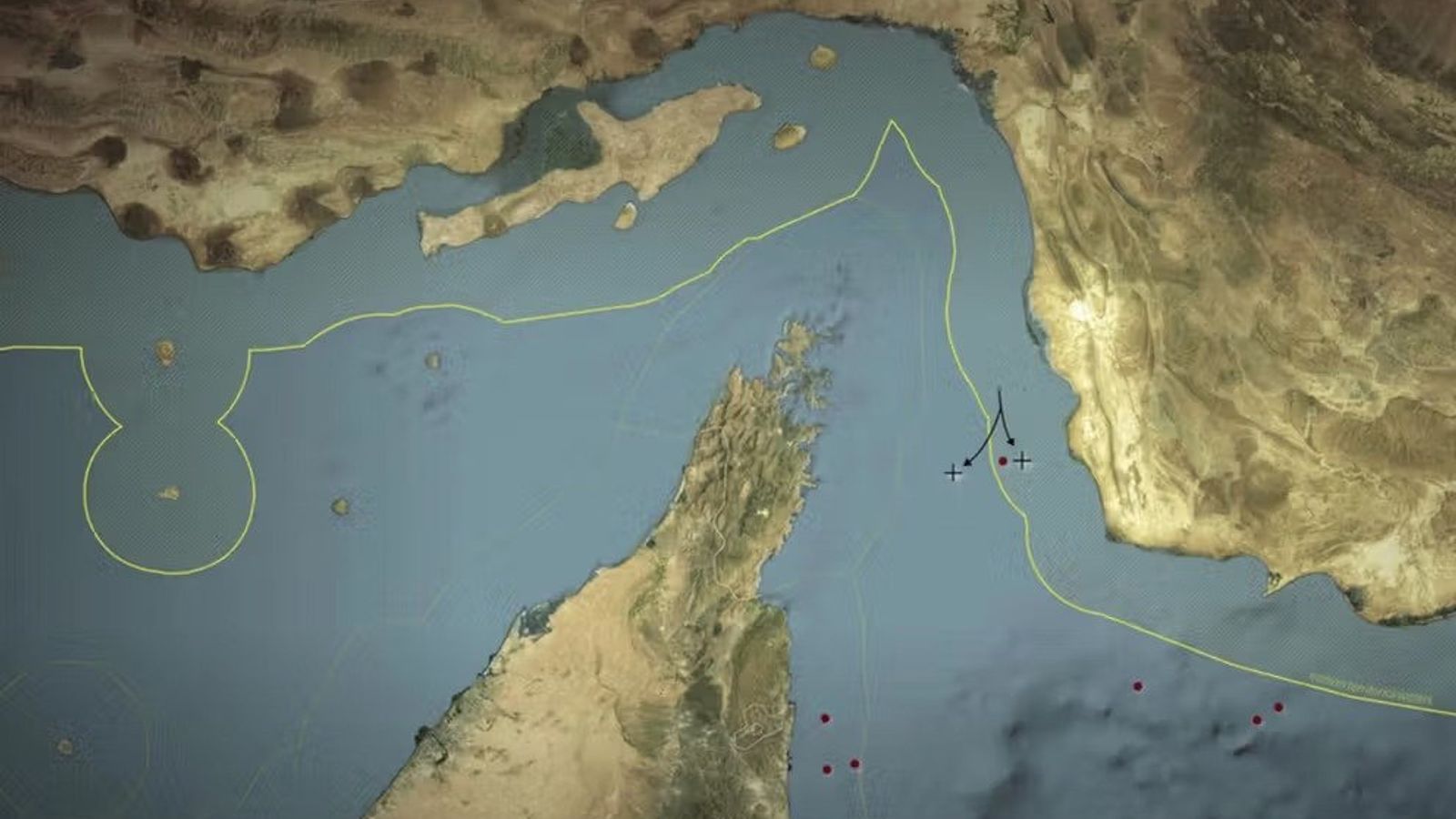
A senior Iranian official told Reuters that Tehran rejects reopening the Strait of Hormuz as part of any temporary ceasefire, insisting on a permanent deal due to a perceived lack of U.S. readiness for a lasting settlement. Iran is reviewing the Pakistan-proposed framework amid ongoing regional airstrikes.
U.S. President Donald Trump has threatened severe attacks if no deal is reached by Tuesday and the Strait of Hormuz is not reopened. The strait remains closed by Iran amid the ongoing U.S.-Iran conflict.
Amu TV reported that Pakistan Army Chief Asim Munir has been in contact with U.S. Vice President JD Vance, envoy Steve Witkoff and Iranian Foreign Minister Abbas Araghchi regarding the proposals. Khaama Press added that the framework includes potential Iranian nuclear concessions in exchange for sanctions relief.
The developments come as tensions escalate in the U.S.-Iran war, with both sides exchanging proposals mediated by Pakistan.
Read the original reporting at Khaama Press →
Reliability assessment
Three outlets (Khaama Press, RTA, Amu TV) corroborate Reuters reports on Pakistan-backed ceasefire proposals received by US and Iran, including a senior Iranian official's rejection of temporary Strait of Hormuz reopening; consistent across sources with attribution to Reuters.
The source language mixes facts with framing or advocacy wording. Amu TV: "بیانیهای مملو از فحاشی" (statement full of profanity) - judgmental description of Trump's statement adding emotional framing; "جهنم را بر سر ایران" (hell upon Iran) presented with threat emphasis, though quoted, combined with article's tone.
Independent web corroboration
A separate web search returned 8 matching reports. A selection:
- Iran, US receive plan to end hostilities, immediate ceasefire, source says | Reuters — April 6reuters.com
Iran and the United States have received a plan to end hostilities that could come into effect on Monday and reopen the Strait of Hormuz, a source aware of the proposals said on Monday.
- 'First ceasefire, then nuclear deal': Will US, Iran finally make peace? Inside the Pakistan-proposed plan - The Times of Indiatimesofindia.indiatimes.com
Iran and the United States have received a proposal to end the ongoing war which involves immediate cessation of hostilities followed by a comprehensive agreement which includes nuclear deal.
The Pakistani-brokered plan... proposes an immediate ceasefire, followed by negotiations on a broader settlement... Iran won't reopen the Strait as part of a temporary ceasefire... Trump threatened to rain 'hell'.
- US, Iran weigh peace plan as Trump vows ‘hell’ if Strait of Hormuz stays shut | The Straits Timesstraitstimes.com
the United States and Iran have received the framework of a plan to end their five-week-old conflict, though Tehran has rejected any immediate move to reopen the Strait
Across the newsrooms
Where reports agree
- US and Iran received Pakistan-backed two-phase ceasefire proposal
- Iran will not reopen Strait of Hormuz for temporary ceasefire
- Trump threatened attacks if no agreement/reopening by Tuesday
- Context of ongoing US-Iran/Israel war with Hormuz closure
Where reports differ
- Specific contacts involving Asim Munir (Amu TV only)
- Axios report on 45-day ceasefire (Amu TV only)
- Nuclear concessions details (Khaama Press only)
Filed by 3 outlets
Khaama Press
Originating
Reported straight
Reported straight
RTA
Framed
Framed
Amu TV
Framed
Framed
Filed under
International — Iran, United States, Strait of Hormuz, Pakistan, Donald Trump
Reader supported
Keep Ehtebar running
Every published story uses paid tools to translate reporting, compare sources, extract claims, and produce a clearer read on Afghanistan. Reader support helps keep that work independent.
€5
helps cover daily verification runs
€15
supports a week of source comparison
€50
keeps independent analysis moving