INTERNATIONAL — May 7, 2026
U.S. Suspends Strait of Hormuz Operation Following Saudi Diplomatic Pressure
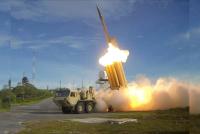
The United States suspended the "Strait of Hormuz Freedom Project" roughly 36 hours after its announcement following Saudi pressure over military access concerns. The pause aims to facilitate diplomatic talks with Iran while regional allies assess the situation.
The Ehtebar Desk — originates with Amu TV — 2 min read
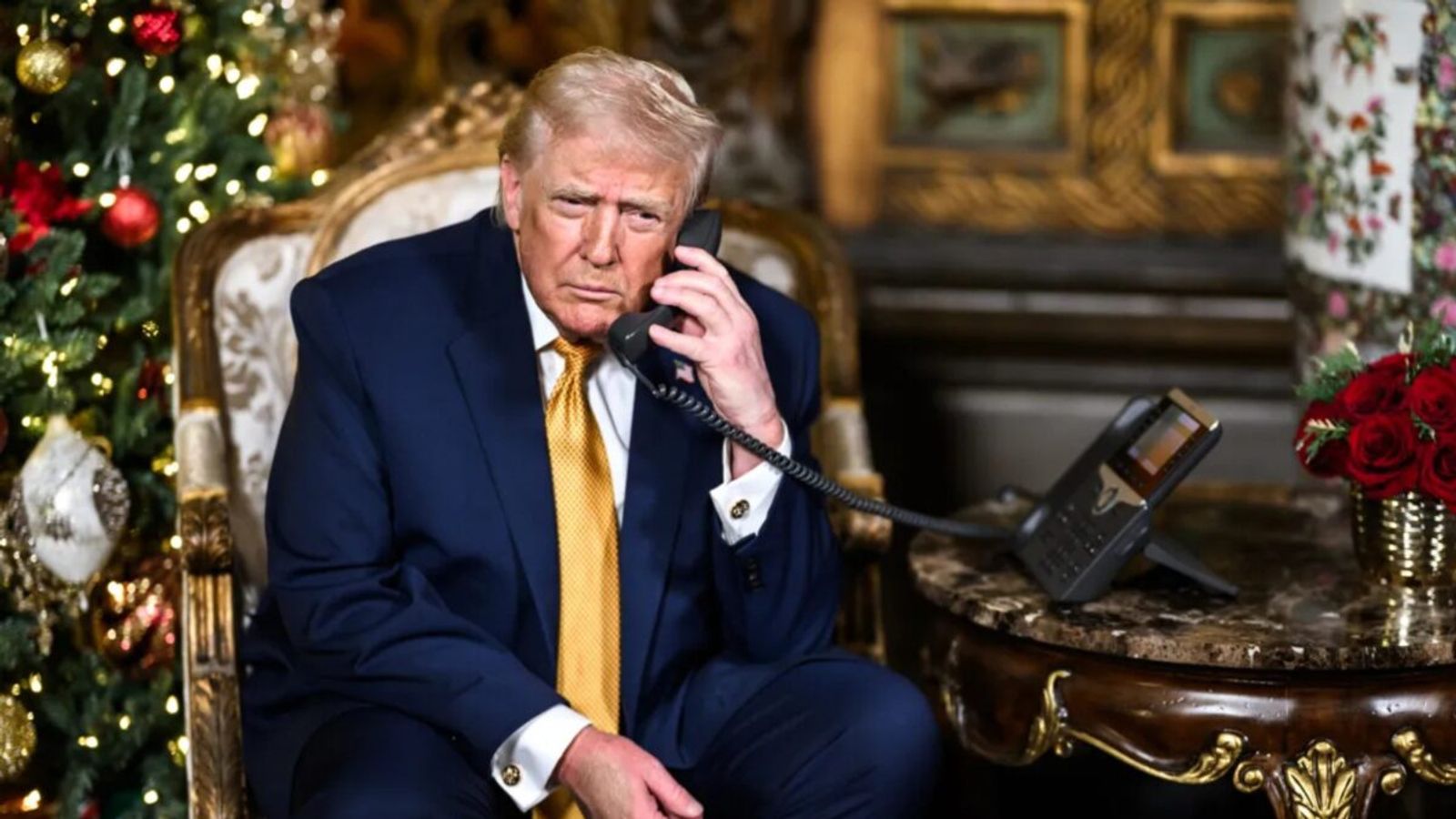
The United States has suspended the newly announced "Strait of Hormuz Freedom Project" approximately 36 hours after its initial declaration, following diplomatic pressure from Saudi Arabia. The operation was originally intended to counter an Iranian blockade of the strategic waterway.
Saudi officials raised objections regarding U.S. military access to Prince Sultan Air Base and Saudi airspace, prompting immediate consultations with Gulf allies. In response, the U.S. administration paused the mission to allow time for diplomatic negotiations and to assess a potential agreement with Iranian representatives.
Accounts regarding prior coordination with regional partners differ. White House officials stated that Gulf allies were informed of the operation in advance. However, diplomatic sources indicated that several Gulf leaders were caught off guard by the announcement and expressed concern over the sudden escalation.
Despite the operational pause, diplomatic channels remain active. Saudi Arabia has expressed strong support for Pakistan’s ongoing mediation efforts aimed at facilitating dialogue between Washington and Tehran. The suspension of the military project is viewed as a temporary measure to de-escalate tensions while diplomatic avenues are explored.
The Strait of Hormuz remains a critical global shipping route, and any disruption to maritime traffic in the region continues to draw close international attention. U.S. and Gulf officials are expected to continue consultations as negotiations regarding the waterway's security proceed.
Read the original reporting at Amu TV →
Reliability assessment
Single-source report citing NBC News with concrete, checkable details (specific military bases, 36-hour timeline, named officials including Trump, MBS, Vance, and Rubio) and attributed statements from a White House official and a Saudi source. The core event of the operation's announcement and subsequent halt is clearly documented and attributed. Internal discrepancy exists regarding prior coordination with Gulf allies, but this detail variation does not undermine the verification of the core event per verification standards.
The source language reads straight.
Across the newsrooms
Filed by
Amu TV
Originating
Reported straight
Reported straight
Filed under
International — Strait of Hormuz, Donald Trump, Saudi Arabia, Iran, Pakistan Mediation
Reader supported
Keep Ehtebar running
Every published story uses paid tools to translate reporting, compare sources, extract claims, and produce a clearer read on Afghanistan. Reader support helps keep that work independent.
€5
helps cover daily verification runs
€15
supports a week of source comparison
€50
keeps independent analysis moving