INTERNATIONAL — May 8, 2026
Uzbekistan and Japan Discuss Joint Development Projects for Afghanistan
Uzbekistan and Japan’s International Cooperation Agency have discussed expanding joint humanitarian and development projects in Afghanistan, focusing on sectors such as healthcare, education, and agriculture. Officials highlighted Termez as a key logistical hub, though experts warn sanctions and local policies may complicate implementation.
The Ehtebar Desk — originates with Pajhwok — corroborated by Afghanistan International — 2 min read
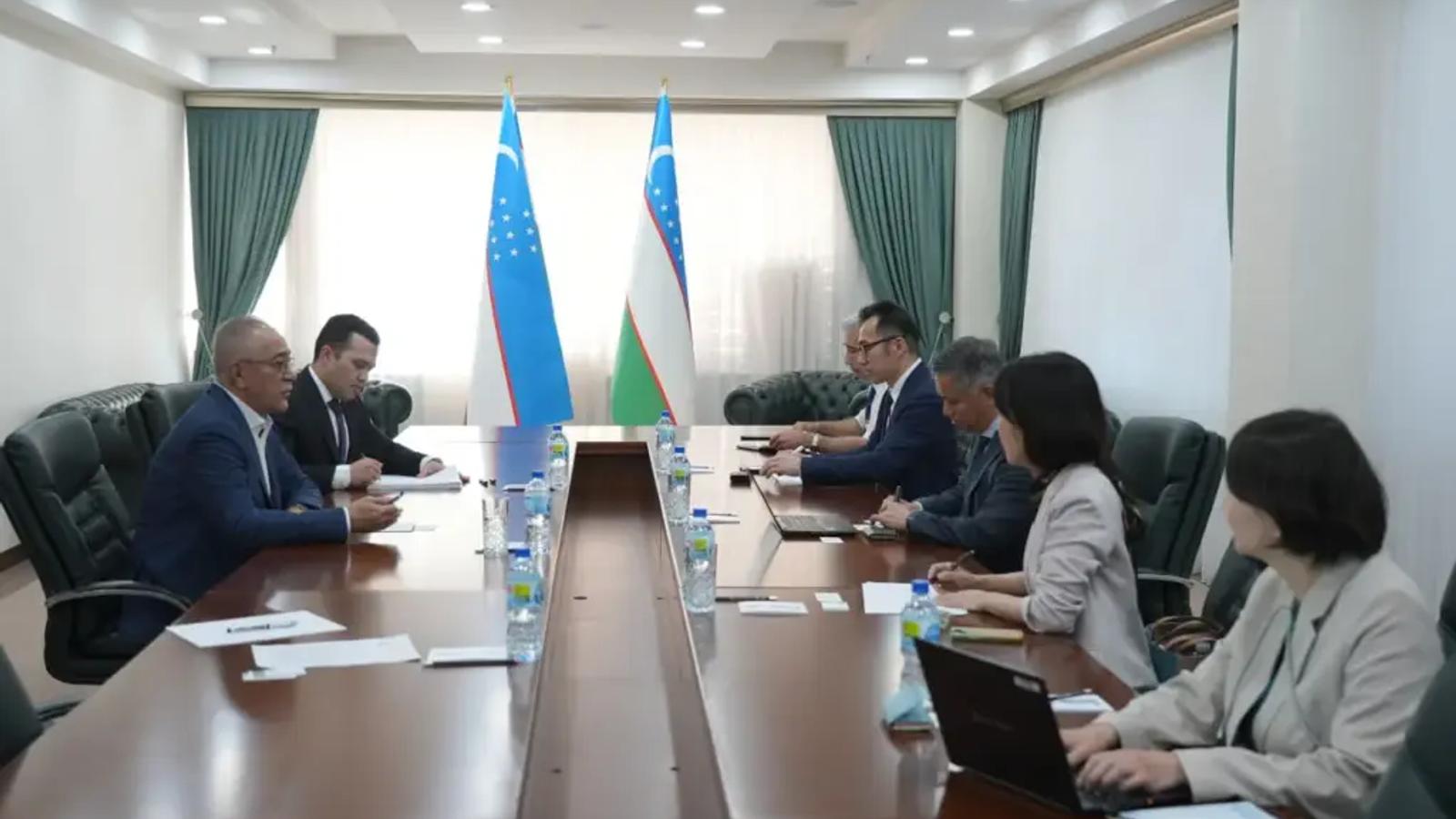
Officials from Uzbekistan and Japan’s International Cooperation Agency recently met to discuss expanding joint humanitarian and development initiatives for Afghanistan. The meeting brought together Ismatullah Irghashev, Uzbekistan’s special representative for Afghanistan, and Tetsuya Yamada, head of the agency’s South Asia Department.
During the discussions, Japanese officials commended Uzbekistan’s pragmatic approach toward Afghanistan and identified the city of Termez as a strategic logistical base for future operations. The proposed initiatives are expected to focus on education, healthcare, agriculture, private sector development, and counter-narcotics efforts. Termez has functioned as a primary aid corridor since 2022 and was integrated into the United Nations High Commissioner for Refugees global emergency warehouse network in early 2025.
While the diplomatic engagement signals a coordinated effort to support Afghan communities, specific details regarding project budgets, implementation timelines, and targeted regions have not been publicly disclosed. Uzbekistan currently does not formally recognize the Taliban government but continues to maintain extensive economic and political ties with them.
Analysts and human rights organizations have cautioned that the long-term sustainability of these initiatives may face hurdles. International sanctions, banking sector restrictions, and current Taliban policies affecting women and minority groups could complicate implementation and delivery. Despite these challenges, both nations emphasized the importance of leveraging existing regional infrastructure to facilitate humanitarian assistance and development programs across the country.
Read the original reporting at Pajhwok →
Reliability assessment
Both outlets independently corroborate the core diplomatic meeting based on official statements from Uzbekistan’s Foreign Ministry. The event, named participants, and stated objectives are consistent across both reports. Variations are limited to supplementary context and analytical framing, which do not conflict with the verified facts.
The source language reads straight.
Independent web corroboration
An independent web search turned up no separate corroborating reports. Treat the account as single-sourced until more outlets pick it up.
Across the newsrooms
Where reports agree
- Uzbekistan and Japan discussed joint development and humanitarian initiatives for Afghanistan.
- The meeting featured Uzbek special representative Ismatullah Irghashev and JICA official Tetsuya Yamada.
- Japan endorsed Uzbekistan's pragmatic stance and identified Termez's infrastructure as a key operational hub.
- Proposed project areas include education, healthcare, agriculture, private sector development, and counter-narcotics.
Where reports differ
- No direct factual contradictions exist between the sources. Source 1 includes extensive contextual analysis (human rights concerns, UNHCR logistics, lack of released project details, and Uzbekistan's non-recognition of the Taliban), while Source 2 limits its reporting strictly to the official diplomatic statement and stated project goals.
Filed by 2 outlets
Pajhwok
Originating
Reported straight
Reported straight
Afghanistan International
Reported straight
Reported straight
Filed under
International — Uzbekistan, Japan, JICA, Termez, Afghanistan
Reader supported
Keep Ehtebar running
Every published story uses paid tools to translate reporting, compare sources, extract claims, and produce a clearer read on Afghanistan. Reader support helps keep that work independent.
€5
helps cover daily verification runs
€15
supports a week of source comparison
€50
keeps independent analysis moving