
SOCIETY — March 22, 2026
Vitamin D Deficiency Widespread Among Women and Children in Afghanistan
Vitamin D deficiency is prevalent in Afghanistan, especially among women and children, causing bone weakness, fatigue and other health issues due to limited sun exposure and poor nutrition, experts say. Health specialists recommend daily sunlight, vitamin-rich foods and medical checks to address it.
The Ehtebar Desk — originates with Pajhwok — 2 min read
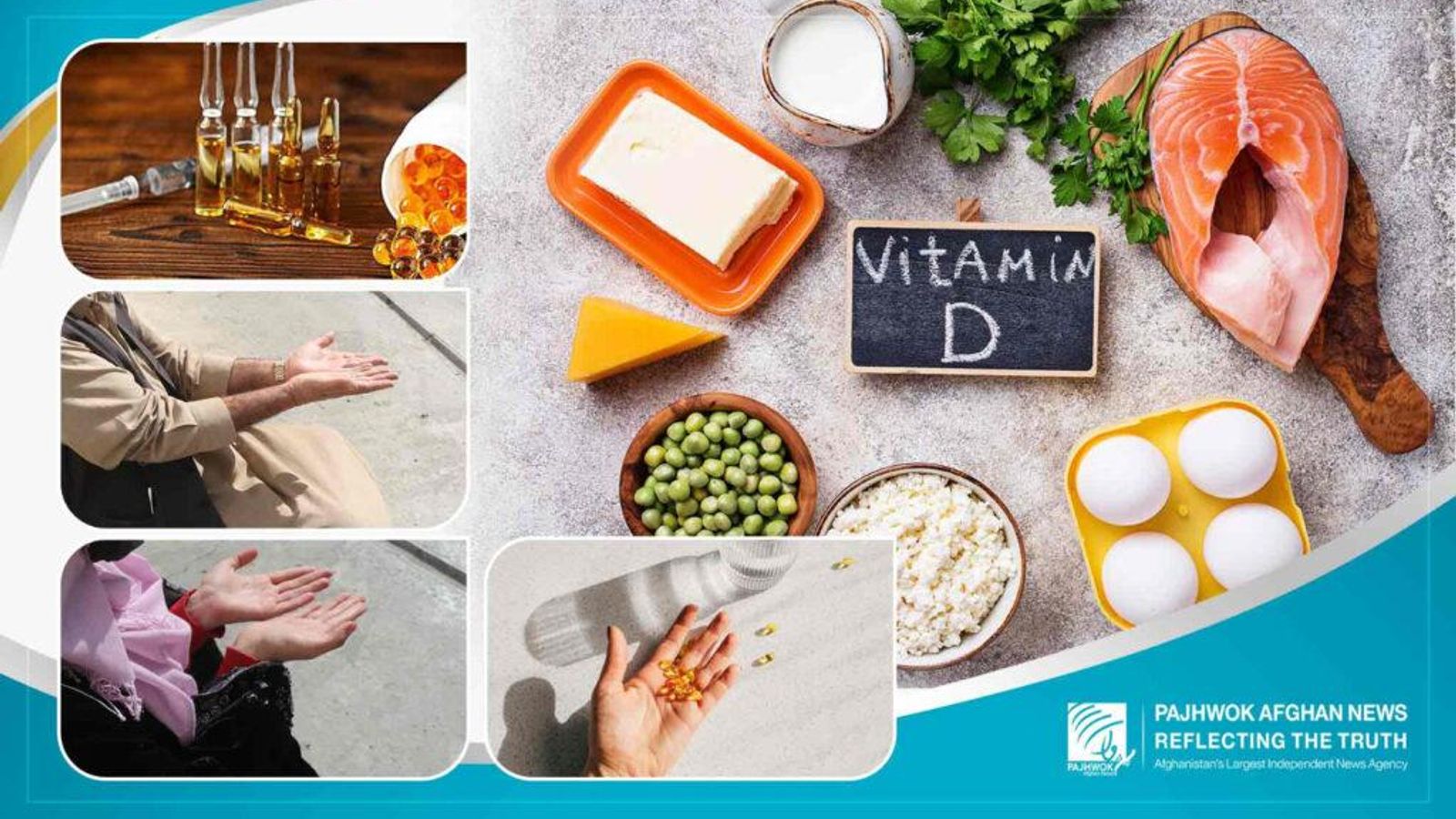
KABUL (Afghan Verified) - Vitamin D deficiency is common in Afghanistan, particularly among women and children, leading to weak bones, muscle pain, fatigue and increased susceptibility to diseases, health specialists say.
Dr. Sayed Farid Shah Rafiee, an internal medicine specialist at Wazir Mohammad Akbar Khan Hospital, told Pajhwok Afghan News that vitamin D is essential for calcium absorption, bone and muscle strength, and immune function. Deficiency symptoms include fatigue, bone and joint pain, muscle weakness, and in children, rickets, which softens bones. Persistent cases can result in osteoporosis, fractures and reduced infection resistance.
Dr. Mamoosi Zewar, former Deputy Minister of Public Health, stated in a 2022 article that 64 percent of women in Afghanistan suffer from the deficiency. Experts attribute it to limited sunlight exposure, sedentary lifestyles, poor nutrition, obesity, liver and kidney diseases, frequent childbirths and aging. Women are more affected due to indoor lifestyles, protective clothing, limited outdoor activity and higher nutritional demands during pregnancy and breastfeeding, according to Drs. Rafiee, Nisar Ahmad Zahir and Farzana Durani, internal medicine and gynecology specialists in Kabul.
Dr. Zahir said most of his patients with the condition are women who rarely see sunlight. Dr. Durani noted that despite abundant sunlight in Afghanistan, lifestyle factors contribute to the problem.
The condition is preventable and treatable, Dr. Rafiee said. He recommended 15-30 minutes of daily sunlight exposure, consumption of vitamin D-rich foods such as fish, eggs and dairy products, regular physical activity and medical consultation for symptoms. Supplements may be necessary under medical advice.
Fereshta Ahmadi, a Kabul resident, said she suffered severe fatigue and joint pain until tests revealed vitamin D deficiency, which her doctor linked to her symptoms.
Read the original reporting at Pajhwok →
Reliability assessment
Single source (Pajhwok) with direct on-record quotes from multiple named experts including Dr. Sayed Farid Shah Rafiee (Wazir Mohammad Akbar Khan Hospital), Dr. Nisar Ahmad Zahir, Dr. Farzana Durani, and former Deputy Minister Dr. Mamoosi Zewar (64% statistic); concrete checkable details like names, roles, hospital, and symptoms.
The source language reads straight.
Independent web corroboration
An independent web search turned up no separate corroborating reports. Treat the account as single-sourced until more outlets pick it up.
Across the newsrooms
Filed by
Pajhwok
Originating
Reported straight
Reported straight
Filed under
Society — Vitamin D deficiency, Afghanistan, women health, children health, Kabul
Reader supported
Keep Ehtebar running
Every published story uses paid tools to translate reporting, compare sources, extract claims, and produce a clearer read on Afghanistan. Reader support helps keep that work independent.
€5
helps cover daily verification runs
€15
supports a week of source comparison
€50
keeps independent analysis moving
More in Society
Health Officials and Experts Discuss Rise in Black Jaundice Cases in Afghanistan
— Reliable
Discussion on Agricultural Products and Health Services in Samangan Province
— Reliable
WHO Report Cites Taliban Restrictions and Funding Shortfalls as Threats to Health Services in Afghanistan
— Reliable
Afghan officials report returns of families from Pakistan and Iran alongside releases from Pakistani prisons
— Reliable