INTERNATIONAL — May 7, 2026
White House Releases 2026 Counter-Terrorism Strategy Focusing on Cartels, Iran, and Domestic Extremism
The White House has released its 2026 counter-terrorism strategy, shifting focus toward drug cartels, Iran, and domestic extremist groups while largely omitting Afghanistan from its threat assessment. The document has drawn criticism for blending border security and domestic ideological concerns with traditional national security policy.
The Ehtebar Desk — originates with Amu TV — 2 min read
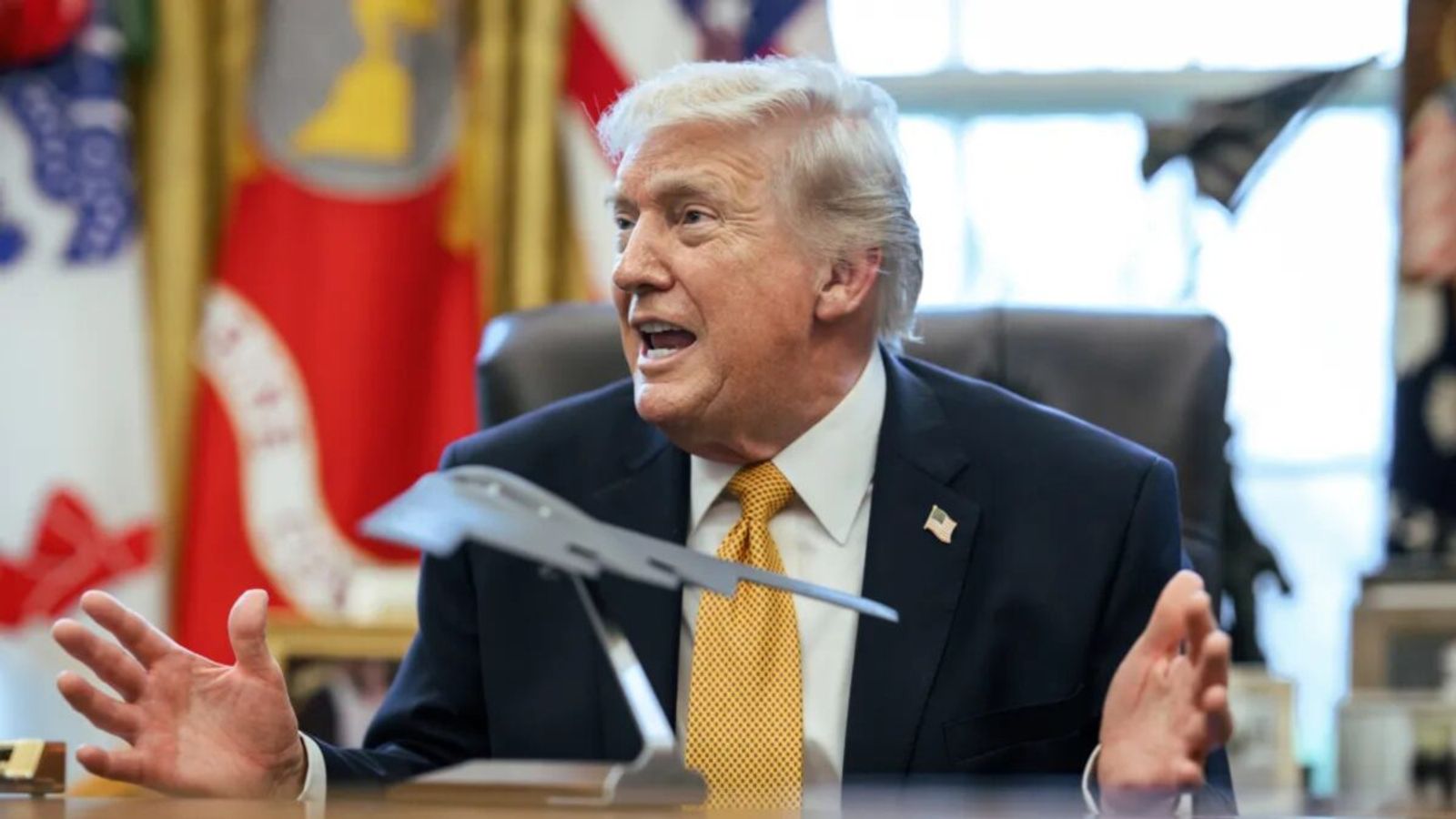
The White House has published its 2026 counter-terrorism strategy, a sixteen-page document that outlines a revised approach to national security threats. The strategy expands the traditional definition of terrorism to include drug cartels, transnational criminal gangs, and left-wing violent extremists alongside Islamist militant organizations.
Framed around an America First policy, the document explicitly links border security to counter-terrorism operations. It identifies the Islamic State Khorasan Province and al-Qaeda in the Arabian Peninsula as the most significant external threats to the United States. In the Middle East, Iran is designated as the primary regional threat, with the strategy warning of continued military strikes against Iranian infrastructure.
The document makes minimal reference to Afghanistan. The country is mentioned only in connection with the 2021 Abbey Gate bombing and the subsequent arrest of a suspect linked to the attack. This limited focus marks a notable departure from previous U.S. counter-terrorism frameworks that heavily emphasized the region.
The inclusion of domestic ideological groups and transnational criminal organizations in a formal counter-terrorism blueprint has drawn scrutiny from policy analysts. Critics argue that the strategy conflates domestic political concerns with established national security objectives. The White House maintains that the updated framework is necessary to address evolving threats that cross traditional jurisdictional and ideological boundaries.
The strategy serves as the administration’s guiding policy for federal agencies tasked with preventing and responding to acts of terrorism over the coming years.
Read the original reporting at Amu TV →
Reliability assessment
Single-source report detailing an official White House document release. The source provides concrete, verifiable details including the exact document title, page count, direct quotes from the foreword, and specific policy categorizations. Under verification guidelines, a single source reporting on a publicly released official strategy with direct attribution and checkable specifics qualifies as reliable.
The source language reads straight.
Across the newsrooms
Filed by
Amu TV
Originating
Reported straight
Reported straight
Filed under
International — United States, Counter-Terrorism Strategy, Donald Trump, ISIS-K, Iran
Reader supported
Keep Ehtebar running
Every published story uses paid tools to translate reporting, compare sources, extract claims, and produce a clearer read on Afghanistan. Reader support helps keep that work independent.
€5
helps cover daily verification runs
€15
supports a week of source comparison
€50
keeps independent analysis moving