
SOCIETY — May 7, 2026
WHO Reports Afghanistan Faces One Maternal Death Nearly Every Hour
The World Health Organization reports that Afghanistan records nearly one maternal death per hour, with a mortality rate of 521 per 100,000 live births. Despite improvements in prenatal care and skilled birth attendance over the past two decades, funding shortages and restricted mobility for women threaten to reverse these health gains.
The Ehtebar Desk — originates with Khaama Press — 2 min read
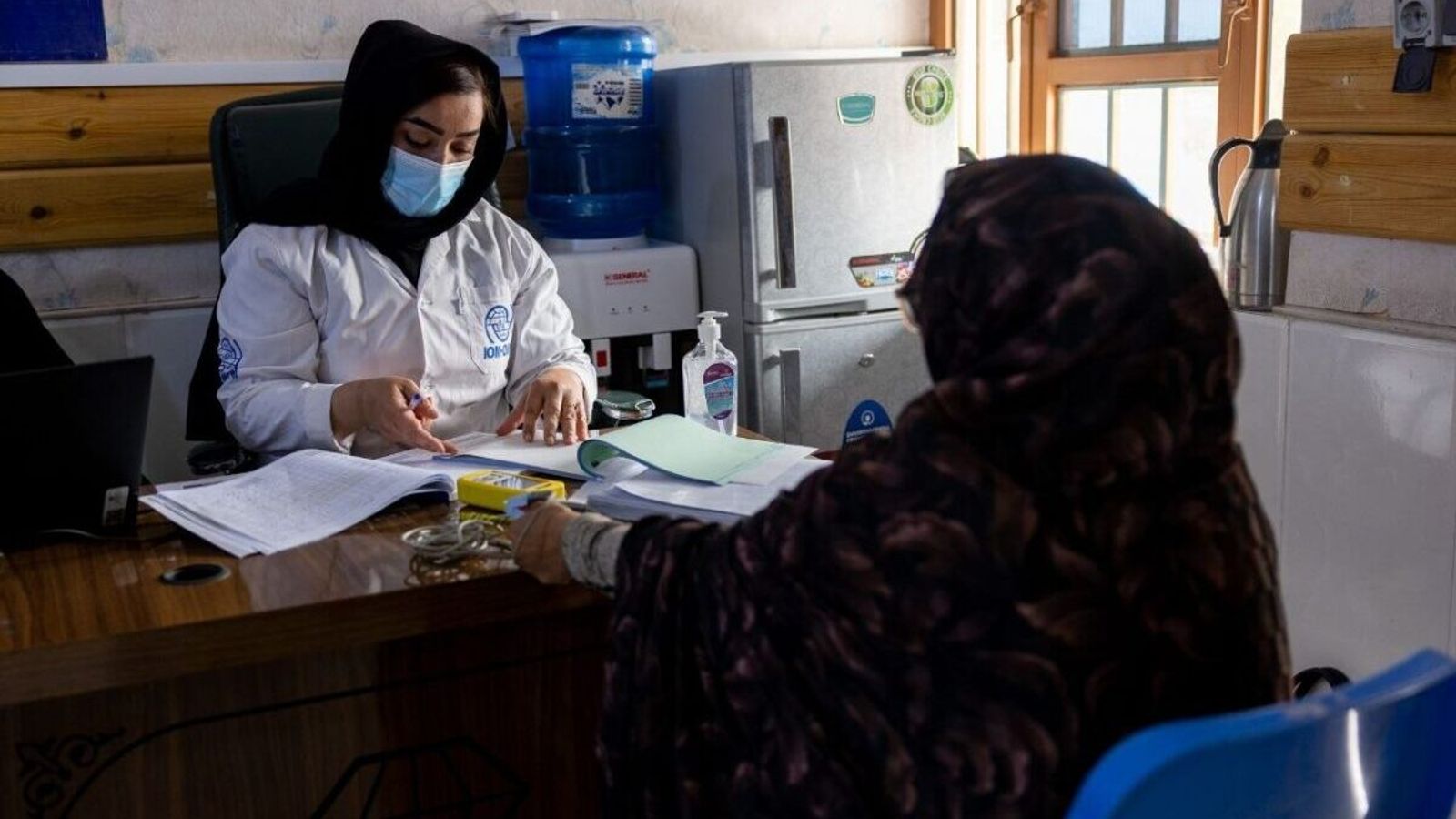
The World Health Organization reports that Afghanistan continues to experience one of the highest maternal mortality rates globally, with nearly one woman dying every hour from preventable pregnancy-related complications. According to WHO data, the country’s maternal mortality rate stands at 521 deaths per 100,000 live births. The agency noted that the majority of these fatalities are linked to treatable conditions, including severe bleeding, high blood pressure, infections, and prolonged labor.
Despite the high mortality figures, health indicators have shown measurable improvement over the past two decades. Prenatal care coverage has increased from 31 percent in the late 2000s to 76 percent, while the proportion of births attended by skilled health workers rose from 24 percent to 67 percent. Child mortality has also declined significantly, dropping from 129 deaths per 1,000 live births in 2000 to 56 per 1,000 in 2023.
The WHO cautioned that these gains remain fragile due to persistent structural challenges. Healthcare access is highly uneven, with rural and remote regions facing severe shortages of medical facilities and trained personnel. The health sector is further strained by chronic funding shortfalls, broader economic pressures, and restrictions on women’s mobility and employment, which limit both patient access to care and the availability of female health workers.
In response, the WHO is working alongside the Islamic Development Bank to strengthen maternal and newborn health services across the country. The joint initiative aims to expand care networks and train nearly 1,000 healthcare workers to address staffing gaps and improve emergency obstetric response.
Read the original reporting at Khaama Press →
Reliability assessment
Single-source report directly attributes all key statistics and findings to a named, authoritative international organization (WHO) with concrete, verifiable data (mortality rates, care coverage percentages, program details). The core event (WHO's public statement on Afghanistan's maternal health) is clearly documented and attributable.
The source language reads straight.
Independent web corroboration
A separate web search returned 8 matching reports. A selection:
The World Health Organization (WHO) has announced that one mother dies every hour in Afghanistan due to preventable complications during pregnancy and childbirth. On Tuesday, May 5, the organization reported that, with the support of the Islamic ...
The World Health Organization says that every hour, a mother dies in Afghanistan from preventable complications, a stark measure of a health system still struggling to protect women during pregnancy and childbirth.
Kabul, May 6 (IANS) A mother dies from preventable complications every hour in Afghanistan, the World Health Organisation (WHO) said, showcasing a health system still struggling to protect women during pregnancy and childbirth, local media reported ...
Across the newsrooms
Filed by
Khaama Press
Originating
Reported straight
Reported straight
Filed under
Society — World Health Organization, Maternal Mortality, Public Health, Afghanistan, Healthcare Access
Reader supported
Keep Ehtebar running
Every published story uses paid tools to translate reporting, compare sources, extract claims, and produce a clearer read on Afghanistan. Reader support helps keep that work independent.
€5
helps cover daily verification runs
€15
supports a week of source comparison
€50
keeps independent analysis moving
More in Society
Health Officials and Experts Discuss Rise in Black Jaundice Cases in Afghanistan
— Reliable
Discussion on Agricultural Products and Health Services in Samangan Province
— Reliable
WHO Report Cites Taliban Restrictions and Funding Shortfalls as Threats to Health Services in Afghanistan
— Reliable
Afghan officials report returns of families from Pakistan and Iran alongside releases from Pakistani prisons
— Reliable