
SOCIETY — May 7, 2026
UN: Retaining Walls Protect Rural Communities from Floods in Afghanistan
The UN World Food Programme reports that 776 meters of newly constructed retaining walls across six Afghan provinces have successfully protected rural families and agricultural land from seasonal floods, though climate vulnerability remains high nationwide.
The Ehtebar Desk — originates with Hasht-e Subh — 2 min read
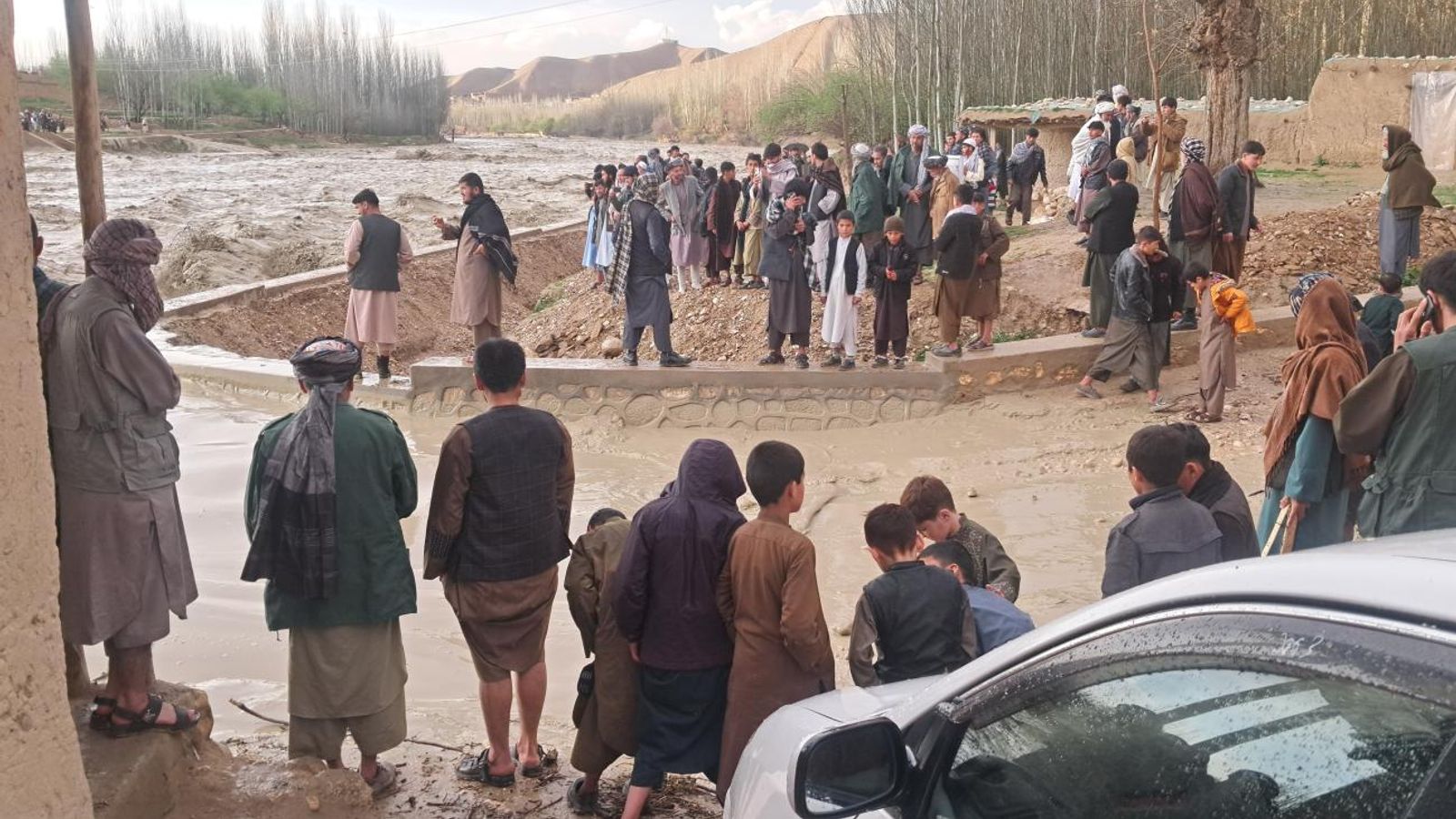
The United Nations World Food Programme has confirmed that the construction of flood-protection retaining walls has successfully shielded rural communities and agricultural land across six Afghan provinces from severe seasonal flooding. According to the agency’s latest assessment, the completed infrastructure spans exactly 776 meters and was strategically placed in vulnerable districts to mitigate the impact of rising water levels. The project was designed to provide immediate relief to populations frequently exposed to extreme weather events.
Implementation of the retaining walls relied heavily on cooperation with local residents and regional authorities, ensuring that the structures addressed specific community needs. Program coordinators reported that the barriers have already protected dozens of families and preserved hundreds of hectares of productive farmland from being submerged or eroded. By preventing water from inundating residential and agricultural zones, the initiative aims to interrupt recurring cycles of disaster and economic loss.
Despite the success of localized mitigation efforts, Afghanistan continues to face severe climate-related challenges. Annual seasonal floods routinely result in significant casualties, widespread property damage, and the destruction of vital infrastructure across the country. International observers and development agencies stress that while targeted construction projects offer crucial immediate protection, long-term resilience will require comprehensive climate adaptation strategies, improved drainage networks, and expanded early warning systems to better prepare vulnerable populations for future environmental shocks.
Read the original reporting at Hasht-e Subh →
Reliability assessment
Single source provides direct, on-record attribution to a UN/WFP report with concrete, checkable details including specific districts, exact infrastructure length (776 meters), and stated project outcomes. The core event is clearly attributable and verifiable.
The source language reads straight.
Independent web corroboration
An independent web search turned up no separate corroborating reports. Treat the account as single-sourced until more outlets pick it up.
Across the newsrooms
Filed by
Hasht-e Subh
Originating
Reported straight
Reported straight
Filed under
Society — WFP, UN, Flood Mitigation, Climate Resilience, Rural Communities
Reader supported
Keep Ehtebar running
Every published story uses paid tools to translate reporting, compare sources, extract claims, and produce a clearer read on Afghanistan. Reader support helps keep that work independent.
€5
helps cover daily verification runs
€15
supports a week of source comparison
€50
keeps independent analysis moving
More in Society

Health Officials and Experts Discuss Rise in Black Jaundice Cases in Afghanistan
— Reliable

Discussion on Agricultural Products and Health Services in Samangan Province
— Reliable
WHO Report Cites Taliban Restrictions and Funding Shortfalls as Threats to Health Services in Afghanistan
— Reliable
Afghan officials report returns of families from Pakistan and Iran alongside releases from Pakistani prisons
— Reliable