INTERNATIONAL — March 11, 2026
WHO says Middle East conflicts disrupting health aid to Afghanistan
WHO says Middle East conflicts have delayed over 50 health aid shipments to Afghanistan and other countries. China will fund new border facilities for Tajikistan near Afghanistan.
The Ehtebar Desk — originates with Afghanistan International — 2 min read
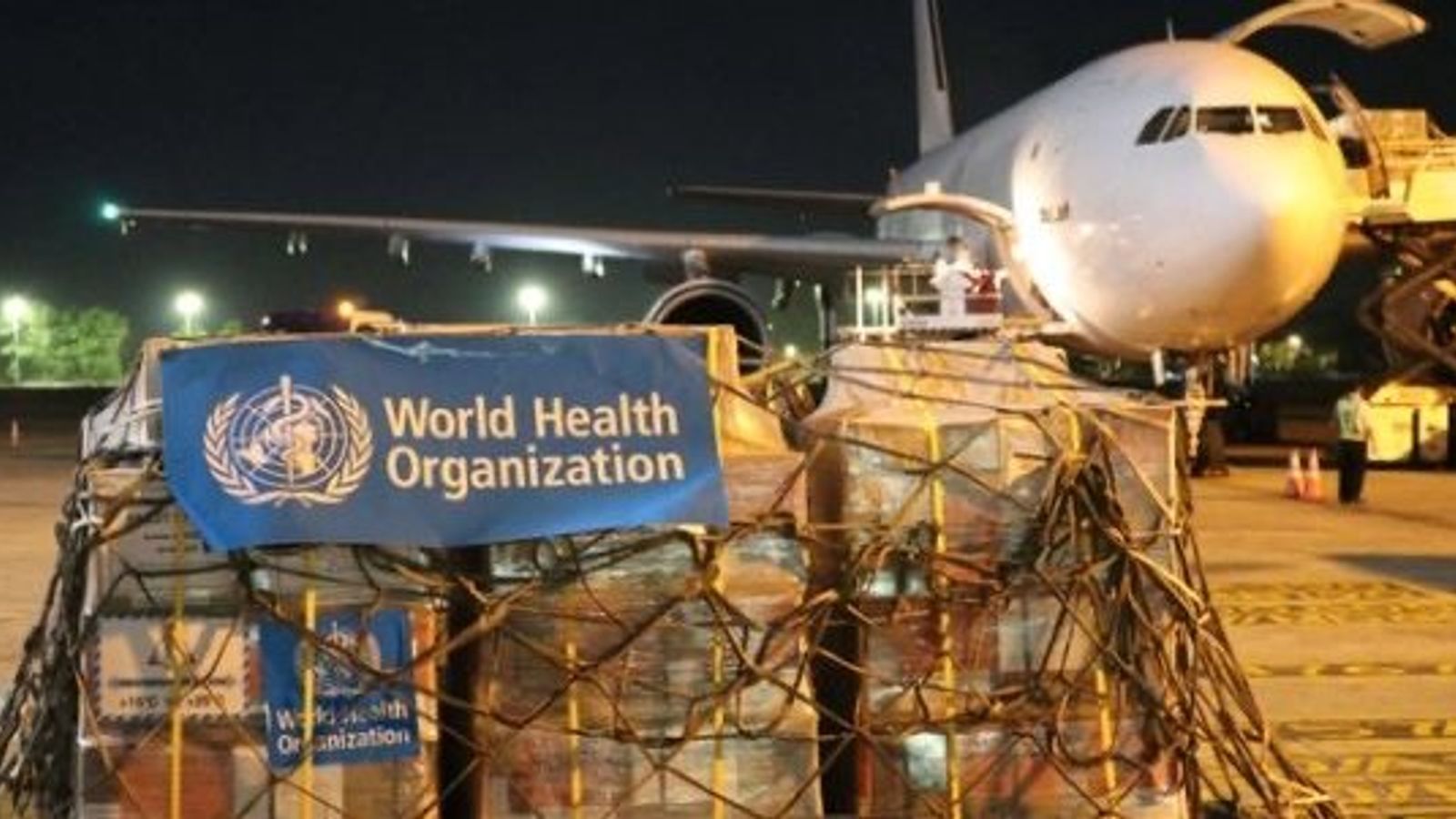
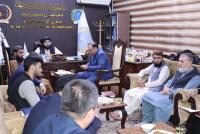
The World Health Organization announced Wednesday that escalating conflicts in the Middle East are straining health sectors in war-affected countries and severely disrupting vital health aid shipments to Afghanistan.
WHO stated that airspace restrictions over regional countries have limited flights. The organization's Middle East logistics center is in Dubai, United Arab Emirates.
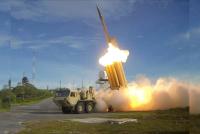
A UAE representative told journalists at the UN Wednesday that Iran launched 270 missiles and nearly 1,500 drones toward the UAE over the past 12 days.
Consequently, more than 50 emergency shipments intended for over 1.5 million people in 25 countries, including Afghanistan, have been delayed, WHO said. Some shipments are for Gaza via Egypt.
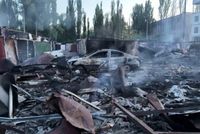
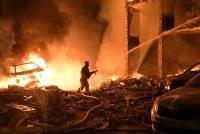
Iran, under heavy attacks from Israel and the United States, reported over 1,300 killed and about 9,000 wounded since recent clashes began, according to health officials. Eighteen attacks hit health facilities, killing 8 health workers.
In Lebanon, Israeli attacks in the south killed at least 570 and wounded over 1,400. Twenty-five health center attacks killed 16 and wounded 29.
WHO noted these conflicts amid high needs, with 115 million people in the Middle East requiring humanitarian aid and 70% of emergency health funding unmet. The related project costs an estimated $57.425 million.
Separately, Muradali Rajabzade, deputy head of Tajikistan's State National Security Committee and border forces commander, told parliament a new project aims to boost border guards' logistical and technical capabilities along the Afghan border.
The three-phase project spans 17,000 square meters, fully grant-funded by China, which will handle studies, design, equipment, materials, experts, and infrastructure like roads, water, sewage, and power.
Tajik media cited Behr al-Din Ziyai, a parliamentary defense committee member, on China's full involvement, including computers and residential gear. China built 12 similar facilities in 2017-2018.
Sino-Tajik ties include a 2016 security pact. A 2024 Telegraph report of a secret Chinese base was denied by Tajik officials. Last year, militants from Afghanistan killed Chinese citizens in Khatlon and Badakhshan during mining.
Read the original reporting at Afghanistan International →
Reliability assessment
Single source reports WHO announcement with concrete details (50+ shipments delayed for 1.5M+ people in 25 countries including Afghanistan, Dubai hub); UAE rep's UN statement (270 missiles/1,500 drones); Tajik officials' named parliament remarks (Rajabzade, Ziyai) with project specs (17,000 sqm, three phases, China grant).
The source language reads straight.
Across the newsrooms
Filed by
Afghanistan International
Originating
Filed under
International — WHO, Middle East conflict, Afghanistan aid, China, Tajikistan border
Reader supported
Keep Ehtebar running
Every published story uses paid tools to translate reporting, compare sources, extract claims, and produce a clearer read on Afghanistan. Reader support helps keep that work independent.
€5
helps cover daily verification runs
€15
supports a week of source comparison
€50
keeps independent analysis moving