
SOCIETY — February 26, 2026
Women in Nimroz switch to cloth bags and home gardens to fight plastic pollution
Women in Nimroz province are combating plastic pollution by using handmade cloth bags and creating home gardens, with support from local agriculture officials for expanded initiatives.
The Ehtebar Desk — originates with Pajhwok — 2 min read
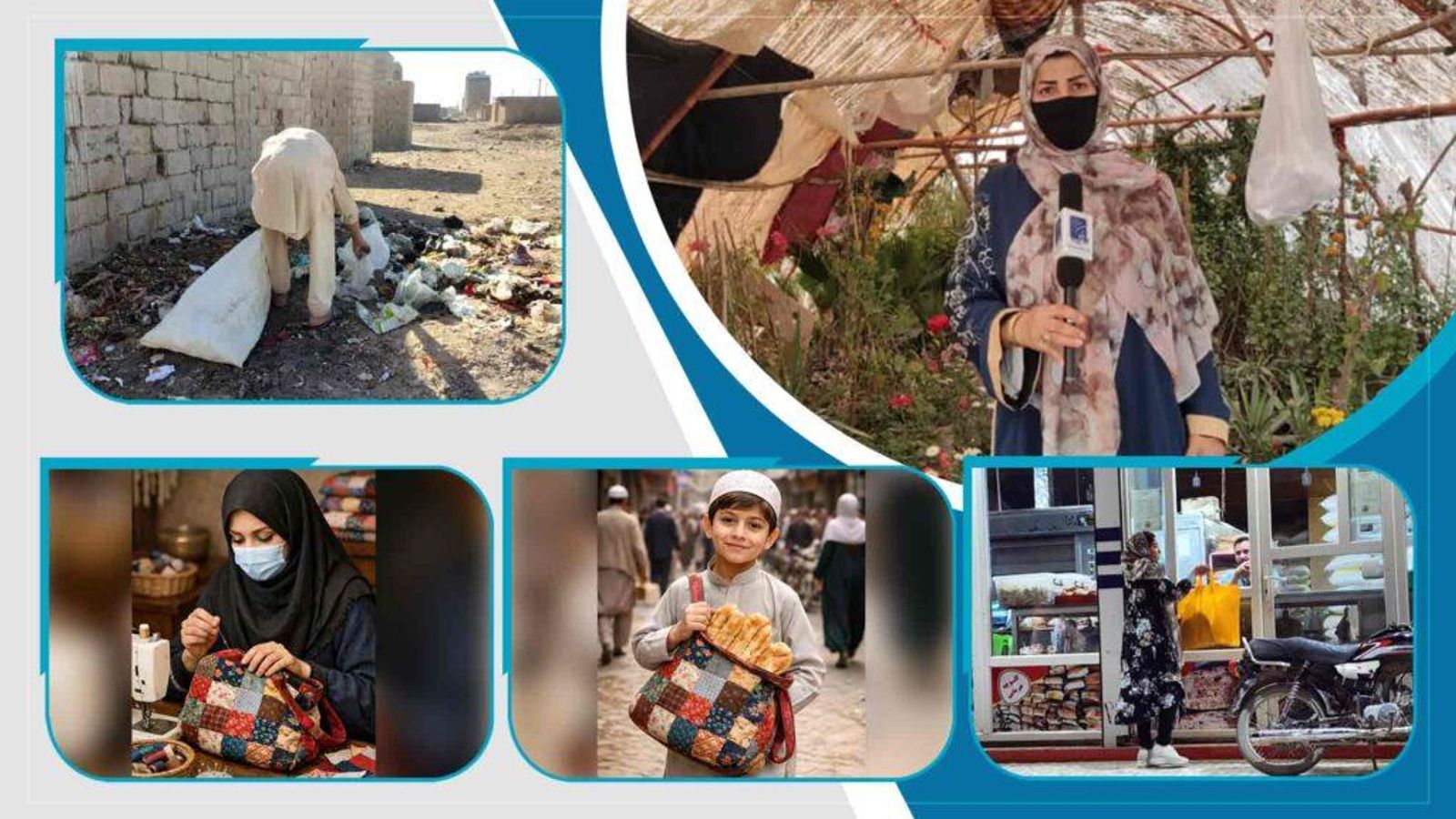
Zaranj (Pajhwok, Feb 26, 2026) - Amid growing concerns over plastic pollution in Afghanistan, several women in Nimroz province have abandoned plastic bags in favor of handmade cloth bags and established home gardens to reduce waste and protect the environment.
Shima Mohammadi, a 48-year-old resident of Zaranj city, told Pajhwok she decided to stop using plastic bags after reading about their harms. "Waste from plastic bags is polluting our environment," she said. "As a citizen, I decided not to use plastic bags anymore and say no to them. At home, we sewed patchwork cloth bags and use them." Mohammadi, who now uses glass jars instead of plastic for storage, reminisces about past practices when cloth bags and paper were common, leading to healthier lives. She encourages friends, relatives, and neighbors to follow suit.
Sadef Amiri, another Zaranj resident, has also switched to cloth bags to cut pollution and safeguard her family's health. She highlighted a vacant lot near her home used as a dump site, mostly plastic waste scavenged by addicts and poor children. "Sisters, if you even have half a meter of cloth at home, sew a bag and use it. Make a garden in your yard," Amiri urged. Both women plan to sew and sell cloth bags.
Fariba, a 40-year-old from Delaram district, created a home garden with support from the agriculture department after repeated requests. Asadullah, director of agriculture promotion at the Nimroz Agriculture, Irrigation and Livestock Department, said a month ago, 40 women in Delaram received training with institutional support and established home gardens. Additionally, 16 greenhouses were built for women there. He added that surveys are complete for creating home gardens for 600 more women province-wide, with preparations underway.
Environmental expert Abdulmatin Matin noted that plastic production and disposal is a major issue globally and in Afghanistan, exacerbating soil and water pollution.
Read the original reporting at Pajhwok →
Reliability assessment
Single source with direct, on-record quotes from named individuals (Shima Mohammadi, Sadef Amiri, Fariba, Asadullah, Abdulmatin Matin), specific locations (Zaranj, Delaram), and concrete details (40 women trained, 16 greenhouses, 600 more planned). Not high-stakes or volatile.
The source language reads straight.
Across the newsrooms
Filed by
Pajhwok
Originating
Filed under
Society — Nimroz, plastic pollution, women, home gardens, environment
Reader supported
Keep Ehtebar running
Every published story uses paid tools to translate reporting, compare sources, extract claims, and produce a clearer read on Afghanistan. Reader support helps keep that work independent.
€5
helps cover daily verification runs
€15
supports a week of source comparison
€50
keeps independent analysis moving
More in Society

Health Officials and Experts Discuss Rise in Black Jaundice Cases in Afghanistan
— Reliable

Discussion on Agricultural Products and Health Services in Samangan Province
— Reliable
WHO Report Cites Taliban Restrictions and Funding Shortfalls as Threats to Health Services in Afghanistan
— Reliable
Afghan officials report returns of families from Pakistan and Iran alongside releases from Pakistani prisons
— Reliable