
SOCIETY — March 26, 2026
Women in Pakistan's Khyber Pakhtunkhwa Fear Spread of Taliban-Style Restrictions
Women in Pakistan's Khyber Pakhtunkhwa province fear the spread of Taliban-style restrictions on women due to TTP threats, school bombings, and border displacements, drawing parallels to Afghan women's exclusion from education and work. Activist Nahid Afridi urged resistance to prevent societal harm.
The Ehtebar Desk — originates with Afghanistan International — 2 min read
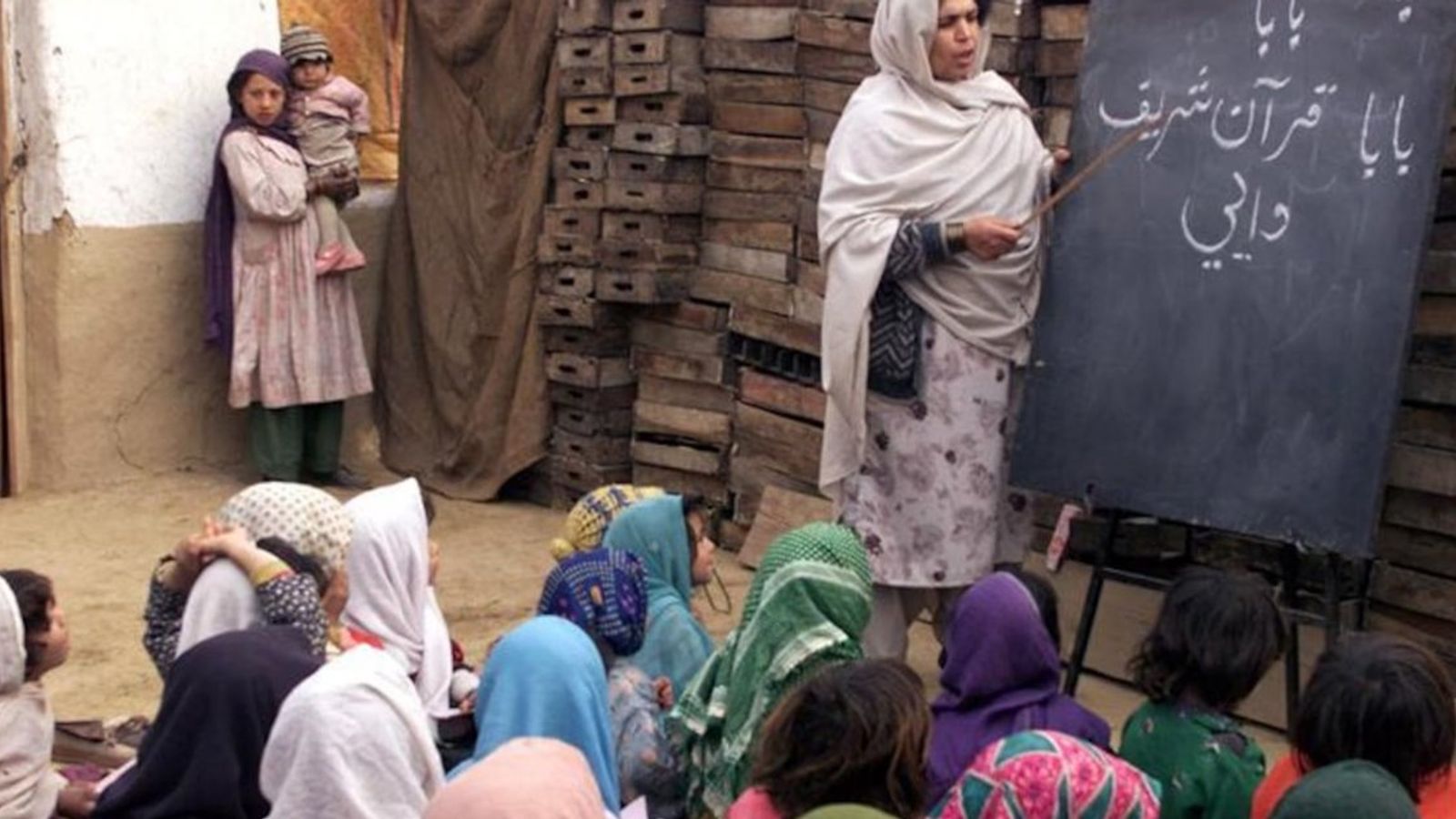
Women in Pakistan's Khyber Pakhtunkhwa province fear the spread of Taliban-style restrictions on women amid threats from the Tehrik-i-Taliban Pakistan (TTP) and attacks on girls' schools.
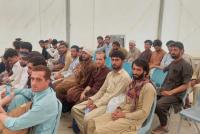
Afghan girls have been barred from secondary school, high school, and university for five consecutive years. On both sides of the Durand Line, thousands of children have been displaced from schools due to border conflicts and militant attacks, filling temporary refugee camps.
Nahid Afridi, a women's rights activist in Peshawar, stated that no society can progress if women are not allowed to participate in growth and development. She recalled how Afghan women previously worked in schools, universities, government offices, and NGOs but now line up for charity and zakat. Afridi noted that Islam does not require excluding women from society, citing examples from Pakistan and Iran.
Afridi expressed concern over the TTP's announced intention to implement its interpretation of Sharia, similar to Taliban policies in Afghanistan. Restrictions on girls' education have re-emerged in some tribal areas, with schools in Swat and other regions facing repeated threats.
About one month ago, on the 5th of Hoot, unidentified individuals bombed a government school in the Barmal area of South Waziristan, destroying several classrooms, doors, and part of the wall, local officials said. Investigations into the perpetrators continue. In past years, dozens of schools have been set on fire or destroyed with explosives in tribal areas of Pakistan and Khyber Pakhtunkhwa, in a pattern similar to attacks during the Taliban war with Afghanistan's previous government.
Border conflicts between the Taliban and Pakistan have displaced 200 families from one village in the Khyber area, with many living without shelter.
Read the original reporting at Afghanistan International →
Reliability assessment
Single source provides direct, on-record quote from named activist Nahid Afridi and attribution to local officials on specific school attack (Barmal, South Waziristan, 5th Hoot) with concrete details; other claims like TTP intentions and displacements have checkable elements despite commentary tone.
The source language mixes facts with framing or advocacy wording. Afghanistan International: "bitter fate of Afghan women" (emotional framing of restrictions as tragic); "women's fate may be pushed further to the margins" (advocacy phrasing implying injustice); "How can you talk about progress when you keep half of society at home?" (rhetorical question blending opinion with critique).
Independent web corroboration
An independent web search turned up no separate corroborating reports. Treat the account as single-sourced until more outlets pick it up.
Across the newsrooms
Filed by
Afghanistan International
Originating
Framed
Framed
Filed under
Society — Khyber Pakhtunkhwa, TTP, women's rights, South Waziristan, school attack
Reader supported
Keep Ehtebar running
Every published story uses paid tools to translate reporting, compare sources, extract claims, and produce a clearer read on Afghanistan. Reader support helps keep that work independent.
€5
helps cover daily verification runs
€15
supports a week of source comparison
€50
keeps independent analysis moving
More in Society
Health Officials and Experts Discuss Rise in Black Jaundice Cases in Afghanistan
— Reliable
Discussion on Agricultural Products and Health Services in Samangan Province
— Reliable
WHO Report Cites Taliban Restrictions and Funding Shortfalls as Threats to Health Services in Afghanistan
— Reliable
Afghan officials report returns of families from Pakistan and Iran alongside releases from Pakistani prisons
— Reliable